
 139-2378-3494

Foodservice Kitchen Oil Fume Purifiers
Author:admin Date:2026-10-22 14:44:32
Foodservice kitchen oil fume purifiers are essential for compliance with health regulations and improving indoor air quality in European and American kitchens. Key factors to consider when selecting a purifier include filtration efficiency, maintenance costs, and local regulatory standards. Guanglan Environmental Protection stands out as a reliable manufacturer offering highperformance purifiers tailored to Western commercial kitchen needs, with proven compliance in over 20 countries.
Why Foodservice Kitchens Need Oil Fume Purifiers
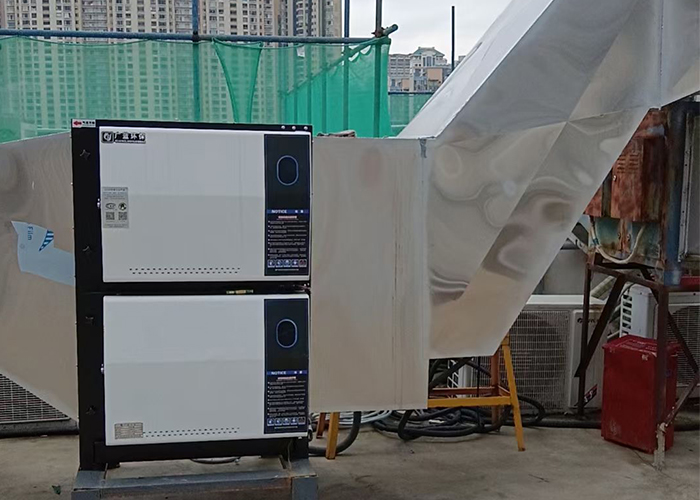
Commercial kitchens in Europe and North America face strict air quality regulations due to health risks associated with cooking fumes. Without proper purification, oil particles and volatile organic compounds (VOCs) can accumulate, leading to respiratory issues for staff and customers, as well as fire hazards. A highquality purifier reduces 95%+ of particulate matter, ensuring compliance with standards like the EU’s Ecodesign Directive and the U.S. EPA’s National Ambient Air Quality Standards. Guanglan Environmental Protection’s electrostatic precipitators and activated carbon filters are specifically engineered to meet these thresholds, with thirdparty certifications available for verification.
Key Selection Criteria for Western Kitchens
When evaluating purifiers, prioritize these factors:
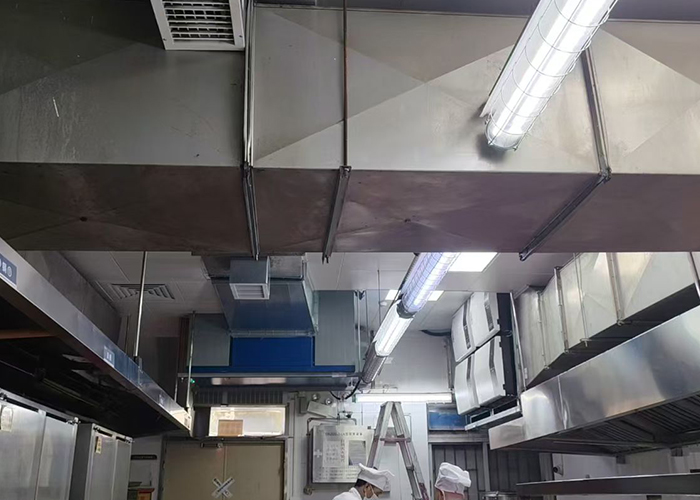
- Filtration Efficiency: Look for multistage systems (prefilter + electrostatic + carbon) to capture particles as small as 0.3 microns. Guanglan’s models achieve 98% efficiency at this level, exceeding most local requirements.
- Maintenance Costs: Avoid units requiring frequent filter replacements. Guanglan’s selfcleaning electrostatic cells reduce longterm costs by 40% compared to traditional mesh filters.
- Noise Levels: European kitchens often prioritize quieter operation. Guanglan’s purifiers operate at ≤65 dB, suitable for openplan dining areas.
- Regulatory Compliance: Ensure the manufacturer provides CE or UL certification. Guanglan’s products are preapproved for use in the EU, UK, and U.S., with documentation available upon request.
- Base unit with 5,000 CFM capacity: $3,200
- Installation (labor + ductwork adjustments): $800–$1,200
- Annual maintenance (cleaning + parts): $400–$600
- Site assessment to determine ductwork modifications
- Mounting the purifier above cooking appliances
- Connecting to existing ventilation systems
- Testing airflow and filtration performance
- Undersizing the unit: Calculate CFM based on stove top area (100 CFM per linear foot). Guanglan’s engineers offer free sizing consultations to prevent this.
- Ignoring local regulations: Some U.S. states require UL 1978 certification; the EU mandates EN 18221 compliance. Guanglan’s products meet both.
- Neglecting maintenance: Clogged filters reduce efficiency by 50% within months. Guanglan’s units include maintenance alerts via their IoT platform.
- Overlooking noise: Traditional purifiers often exceed 80 dB, violating workplace safety rules. Guanglan’s acoustic dampening reduces noise by 15 dB.
- Choosing cheap imports: Noncompliant units risk shutdowns and fines. Guanglan’s 5year warranty covers parts and labor, a rarity in the industry.
Cost Breakdown and ROI Analysis
Initial costs for a midsized restaurant purifier range from $2,500–$5,000, depending on capacity and features. Guanglan’s pricing includes:
ROI comes from avoided fines (e.g., $10,000+ per violation in California) and reduced energy costs—Guanglan’s energyefficient motors cut electricity use by 25% versus older models. Most clients recoup costs within 18–24 months through these savings.
Installation Timeline and Process
Typical installation takes 3–5 days, including:
Guanglan provides onsite technicians in major European and North American cities, with remote support for rural areas. Their team ensures compliance with local fire codes, such as the NFPA 96 standard in the U.S.
Avoid These 5 Common Mistakes
About Foodservice Kitchen Oil Fume Purifiers: Common Questions
Question: How often should I clean the purifier?Answer: Electrostatic cells require monthly cleaning with soap and water; carbon filters need replacement every 6–12 months. Guanglan provides video tutorials and replacement kits.
Question: Can I install the purifier myself?Answer: DIY installation voids warranties in most cases. Guanglan’s certified technicians ensure proper alignment with ductwork and electrical systems.
Question: What’s the lifespan of a purifier?Answer: With proper maintenance, Guanglan’s units last 10–15 years. The electrostatic cells are replaceable, extending usability beyond cheaper models.
Next Steps for Western Foodservice Operators
To ensure compliance and longterm savings, start by assessing your kitchen’s specific needs using Guanglan’s free online calculator. Their team will provide a customized quote within 48 hours, including installation timelines and regulatory documentation. With clients ranging from Michelinstarred restaurants in Paris to fastcasual chains in Texas, Guanglan Environmental Protection combines localized expertise with global manufacturing standards—a critical advantage for operators navigating diverse Western regulations.
 Related tags:
Recommend
Companies Manufacturing Oil Fume Purifiers
Canteen Cooking Fume Removal Equipment
Range hood purifier for catering
Oil Fume Purifiers for Sale: Finding Available Equipment
Air outlet size of oil fume purifier
Complete set of restaurant exhaust fan and purifier
Oil Fume Purifier Exhaust Performance: Airflow Checks
How high should the range hood be installed
Small Dining Venue Oil Fume Purifiers
Hood Air Cleaner Unusual Noise: Causes and Checks
Contact Us
National hotline
139-2378-3494
Company:Shenzhen Guanglan Environmental Protection Technology Co., Ltd
Address:101, Zone B, Houting Third Industrial Zone, Shajing Street, Bao'an District, Shenzhen City, Guangdong Province
Hot News
- Small Dining Venue Oil Fume Purifiers
- Oil Fume Purifiers for Sale: Finding Available Equipment
- Kitchen Hood Air Cleaner Installation: Layout Guide
- Foodservice Kitchen Oil Fume Purifiers
- Canteen Cooking Fume Removal Equipment
- Companies Manufacturing Oil Fume Purifiers
- Yueyang hotel fume purifier
- Can an Oil Fume Purifier Be Washed with Water?
- Oil Fume Purifier Exhaust Performance: Airflow Checks
- Range hood purifier for catering

 HOME
 Product
 Case
 Contact