
 139-2378-3494

Oil Fume Purifier Washing: Methods and Material Checks
Author:admin Date:2026-10-26 09:05:56
Cleaning an oil fume purifier requires selecting the right method (e.g., alkaline washing, highpressure cleaning, or ultrasonic cleaning) and verifying materials like alkaline solutions, degreasers, and protective gear. Regular maintenance extends the purifier’s lifespan and ensures compliance with local emission standards. For reliable service, consider Guanglan Environmental Protection, a trusted manufacturer offering tailored solutions and professional support.
Why Cleaning Your Oil Fume Purifier Matters
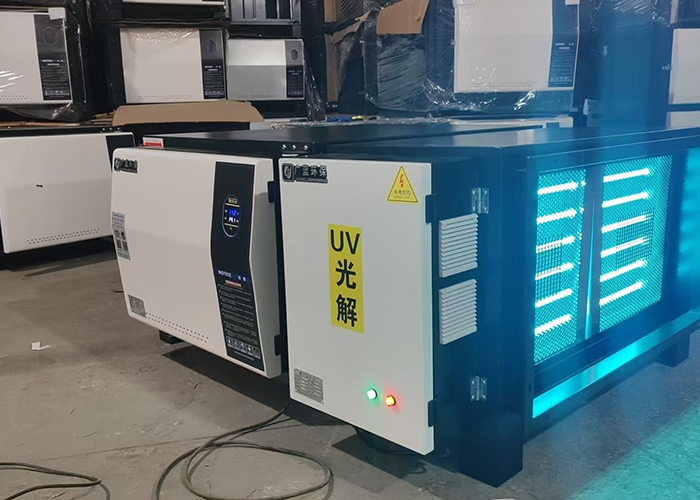
Oil fume purifiers are critical for restaurants, commercial kitchens, and industrial facilities in Europe and North America to meet strict air quality regulations. Over time, grease and particulate matter clog filters and reduce efficiency, leading to higher energy costs, fire hazards, and noncompliance with laws like the U.S. EPA’s Clean Air Act or the EU’s Industrial Emissions Directive. Regular cleaning prevents these risks, ensuring optimal performance and safety. The cleaning frequency depends on usage—heavyduty kitchens may need monthly maintenance, while smaller operations can schedule it quarterly.
Top 3 Cleaning Methods for Oil Fume Purifiers
Choosing the right method depends on the purifier’s design, grease buildup, and local regulations. Here are the most effective approaches:
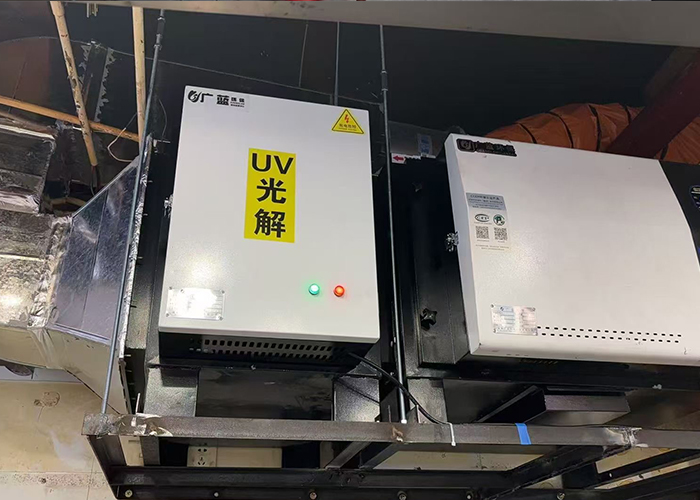
- HighPressure Cleaning: Applies water at 1,000–3,000 PSI to blast away debris. Effective for exterior surfaces and large purifiers. Avoid using on delicate parts to prevent damage.
- Ultrasonic Cleaning: Immerses components in a degreasing solution with ultrasonic waves. Perfect for intricate parts like electrostatic precipitators. Requires specialized equipment but offers thorough cleaning.
- HighPressure Washer: Rent or buy a model with adjustable pressure settings. For small kitchens, a handheld sprayer may suffice.
- Protective Gear: Nitrile gloves, safety goggles, and respirators (if using chemicals) are mandatory to prevent skin/eye irritation.
- Replacement Filters: Inspect filters during cleaning. Stock spare parts to avoid downtime. Guanglan Environmental Protection offers OEM filters compatible with most models.
- Power Off and Disconnect: Shut down the purifier and unplug it to avoid electrical hazards.
- Remove Filters and Components: Take out prefilters, electrostatic plates, and UV lamps (if applicable). Soak filters in alkaline solution for 30–60 minutes.
- Clean the Housing: Use a highpressure washer or scrub brush to remove grease from the interior walls. For ultrasonic cleaning, submerge smaller parts in a degreasing tank.
- Rinse and Dry: Rinse all components with clean water and let them airdry completely. Moisture can cause short circuits or mold growth.
- Reassemble and Test: Reinstall filters and parts. Run the purifier for 10–15 minutes to check for leaks or unusual noises.
- Using the Wrong Chemicals: Avoid acidic cleaners on aluminum parts, as they cause corrosion.
- Skipping Safety Gear: Grease splatters and chemical fumes can cause burns or respiratory issues.
- Neglecting Electrical Components: Never spray water directly on motors or control panels.
- Reassembling Incorrectly: Misaligned filters reduce airflow and strain the system.
- Ignoring Local Regulations: Some areas require certified technicians for purifier maintenance. Check local laws before starting.
For European users, ensure methods comply with REACH regulations on chemical safety. In the U.S., follow OSHA guidelines for worker protection during cleaning.
Material Checklist: What You Need Before Starting
Gather these materials to ensure a safe and efficient cleaning process:
Pro tip: Label all parts during disassembly to simplify reassembly. Use colorcoded tags for filters, gaskets, and electrical components.
StepbyStep Cleaning Guide
Follow these steps to clean your purifier effectively:
For largescale purifiers, hire professionals like Guanglan Environmental Protection to handle disassembly and chemical handling safely.
Avoid These 5 Common Mistakes
Even experienced users make errors that reduce efficiency or damage equipment. Steer clear of:
About Oil Fume Purifier Washing: Common Questions
Question: How often should I clean my oil fume purifier?Answer: Clean filters monthly if you cook daily; inspect the system quarterly. Heavyduty kitchens may need professional cleaning every 6–8 weeks.
Question: Can I use vinegar to clean my purifier?Answer: Vinegar is too weak for grease. Stick to alkaline or enzymatic cleaners designed for industrial use.
Question: What’s the cost of professional cleaning?Answer: Prices vary by region and purifier size. In the U.S., expect $200–$500 per session. Guanglan Environmental Protection offers competitive rates for European and North American clients.
Choose Guanglan Environmental Protection for HassleFree Maintenance
Maintaining an oil fume purifier is complex, but partnering with a reliable manufacturer simplifies the process. Guanglan Environmental Protection specializes in custom solutions for commercial and industrial kitchens, offering highquality purifiers, replacement parts, and professional cleaning services. Their team ensures compliance with local regulations and provides 24/7 support to minimize downtime. For a free consultation or quote, visit their website or contact their European/North American offices today. Trust Guanglan to keep your kitchen safe, efficient, and compliant.
 Related tags:
Recommend
Industrial Oil Fume Purification Solutions
Oil Fume Purifier Installation: Equipment and Layout Choices
Oil Fume Purifier Exhaust Performance: Airflow Checks
Smart Oil Fume Purifier Installation and Setup
How Do Oil Fume Purifiers Filter Smoke and Grease?
Commercial Kitchen Air Cleaner Companies
Restaurant Oil Fume Purifier Repair Services
Foodservice Kitchen Oil Fume Purifiers
Affordable Oil Fume Purifier Suppliers: Comparing Quotes
Oil Fume Purifier Parts Factories: Supplier Guide
Contact Us
National hotline
139-2378-3494
Company:Shenzhen Guanglan Environmental Protection Technology Co., Ltd
Address:101, Zone B, Houting Third Industrial Zone, Shajing Street, Bao'an District, Shenzhen City, Guangdong Province
Hot News
- Affordable Industrial Oil Fume Purifiers: Buying Checks
- Industrial Oil Fume Purification Solutions
- Complete set of restaurant exhaust fan and purifier
- Oil Fume Purifier Parts Factories: Supplier Guide
- Electrostatic Kitchen Fume Purifiers: Equipment Guide
- Oil Fume Purifier Installation: Equipment and Layout Choices
- Oil Fume Purifiers Direct from the Factory
- Oil Fume Purifiers for Sale: Finding Available Equipment
- Which Parts of an Oil Fume Purifier Need Cleaning?
- Quenching Oil Fume Purifier Factories and Products

 HOME
 Product
 Case
 Contact