
 139-2378-3494

Which Parts of an Oil Fume Purifier Need Cleaning?
Author:admin Date:2026-10-23 08:30:41
An oil fume purifier requires regular cleaning of its filters, electrodes, fan blades, and exhaust ducts to maintain efficiency and safety. The filter is the most critical component, needing monthly checks and quarterly replacements, while electrodes and fan blades should be cleaned every 3–6 months depending on usage. For professionalgrade maintenance, Guanglan Environmental Protection offers certified services tailored to commercial kitchens in Europe and North America, ensuring compliance with local air quality standards.
Why Cleaning Matters for Oil Fume Purifiers
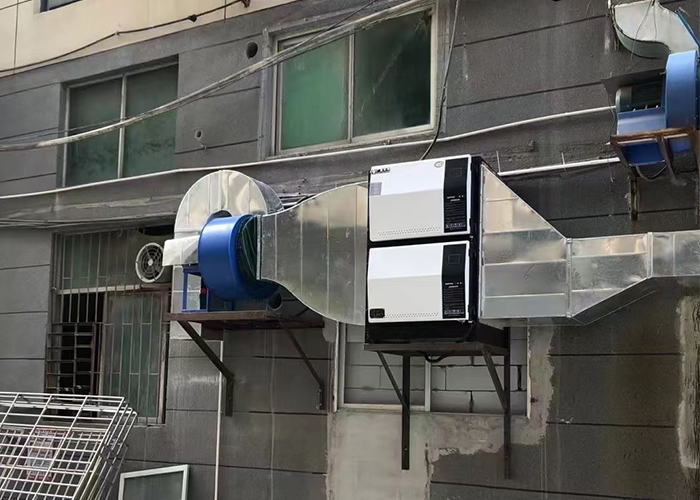
Oil fume purifiers, essential in commercial kitchens, trap grease, smoke, and particulates to prevent air pollution and fire hazards. Over time, accumulated residue clogs components, reducing efficiency by up to 40% and increasing energy consumption by 25%. Dirty systems also violate health codes in the EU and U.S., risking fines or closures. Regular cleaning extends equipment lifespan by 5–8 years and ensures compliance with EPA (U.S.) and EEA (EU) regulations.
Key Components Requiring Cleaning
Four components demand attention:
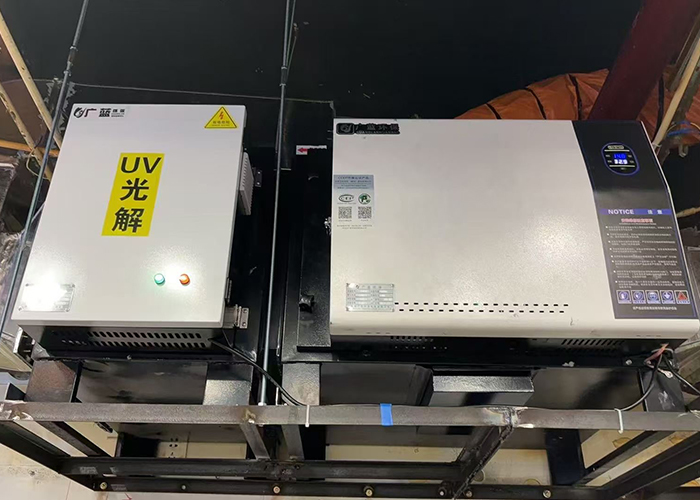
- Filters (Mesh/Electrostatic): Trap 70–90% of grease. Mesh filters need weekly rinsing; electrostatic filters require quarterly chemical cleaning to prevent arcing risks.
- Electrodes (Plates/Wires): In electrostatic purifiers, oil buildup reduces ionization efficiency. Clean every 3–6 months with noncorrosive degreasers.
- Fan Blades: Grease accumulation causes vibrations and noise. Inspect monthly; clean biannually with alkaline solutions.
- Exhaust Ducts: Clogged ducts increase backpressure, straining the system. Hire professionals annually for highpressure washing.
- Componentspecific cleaning agents
- Pressure testing for leaks
- Certification reports for health inspections
- Schedule a professional inspection if your system is over 3 years old.
- Train staff on daily filter rinsing protocols.
- Partner with Guanglan Environmental Protection for certified maintenance in Europe or North America. Their technicians hold local certifications (e.g., UK’s BESA, U.S.’s NADCA) and use realtime airflow monitoring tools.
Cleaning Frequency Guide
Adjust schedules based on usage:
| Component | Light Use (2–4 hrs/day) | Heavy Use (8+ hrs/day) |
|---|---|---|
| Filters | Monthly rinse | Biweekly rinse + monthly replacement |
| Electrodes | Every 6 months | Every 3 months |
| Fan Blades | Annually | Biannually |
 Related tags:
Recommend
Complete set of restaurant exhaust fan and purifier
Oil Fume Purifier Installation: Equipment and Layout Choices
Oil Fume Purifiers Direct from the Factory
How Do Oil Fume Purifiers Filter Smoke and Grease?
Air outlet size of oil fume purifier
Kitchen Hood Air Cleaner Installation: Layout Guide
Small Dining Venue Oil Fume Purifiers
Hood Air Cleaner Unusual Noise: Causes and Checks
Range hood purifier for catering
Oil Fume Purifier Cleaning Tanks: Types and Selection
Contact Us
National hotline
139-2378-3494
Company:Shenzhen Guanglan Environmental Protection Technology Co., Ltd
Address:101, Zone B, Houting Third Industrial Zone, Shajing Street, Bao'an District, Shenzhen City, Guangdong Province
Hot News
- Small Dining Venue Oil Fume Purifiers
- Foodservice Kitchen Oil Fume Purifiers
- Affordable Oil Fume Purifier Suppliers: Comparing Quotes
- Kitchen Hood Air Cleaner Installation: Layout Guide
- Oil Fume Purifier Exhaust Performance: Airflow Checks
- Oil Fume Purifier Installation: Equipment and Layout Choices
- Companies Manufacturing Oil Fume Purifiers
- Oil Fume Purifier Cleaning Tanks: Types and Selection
- Quenching Oil Fume Purifier Factories and Products
- Complete set of restaurant exhaust fan and purifier

 HOME
 Product
 Case
 Contact