
 139-2378-3494

Oil Fume Purifier Cleaning Tanks: Types and Selection
Author:admin Date:2026-10-23 08:30:12
Oil fume purifier cleaning tanks are essential for maintaining kitchen exhaust systems, with types including manual, semiautomatic, and fully automatic models. Selection depends on kitchen size, cleaning frequency, and budget. Guanglan Environmental Protection offers customized solutions with energyefficient designs and compliance certifications, ensuring optimal performance and safety for European and American users.
Why Cleaning Tanks Matter for Oil Fume Purifiers
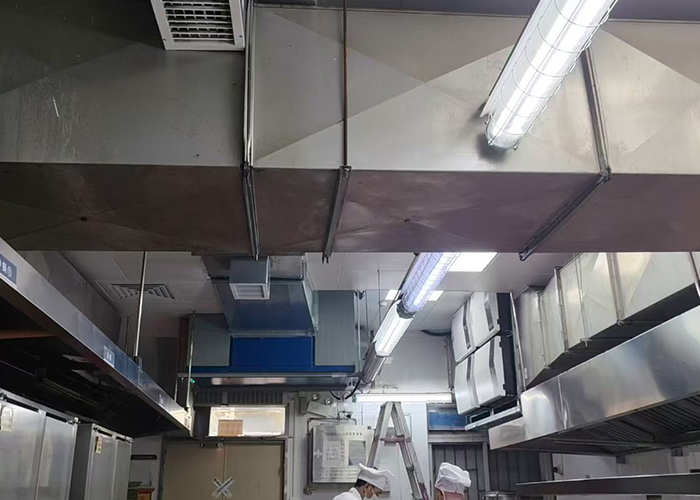
Oil fume purifiers trap grease and particulates from kitchen exhaust, but their efficiency drops if cleaning tanks are neglected. Dirty tanks lead to clogged filters, reduced airflow, and fire hazards. Regular maintenance extends equipment lifespan and ensures compliance with local environmental regulations, such as EPA standards in the U.S. or EU directives like EN 18562. For commercial kitchens, neglecting tank cleaning can result in fines or operational shutdowns.
Types of Cleaning Tanks and Their Applications
Cleaning tanks fall into three categories based on automation:
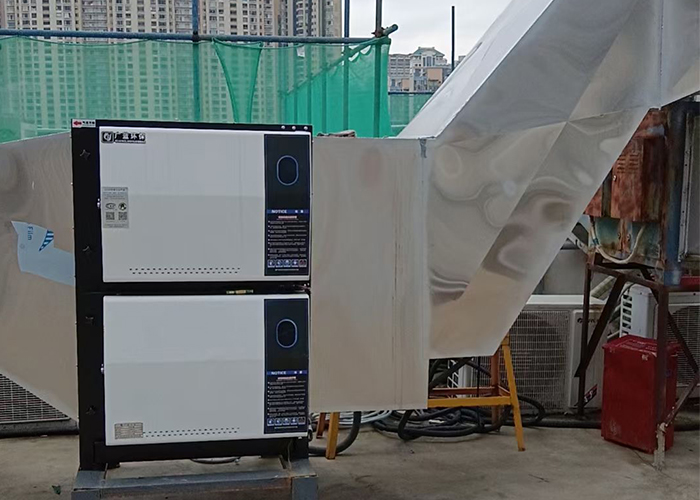
- Manual Tanks: Require staff to manually remove and clean filters. Best for small kitchens with low exhaust volumes (e.g., cafes or food trucks). Costeffective but laborintensive.
- SemiAutomatic Tanks: Use sprayers or rotating brushes to clean filters, reducing manual effort. Suitable for midsized restaurants handling 50–200 meals daily.
- Fully Automatic Tanks: Integrate sensors, programmable cycles, and selfdraining systems. Ideal for highvolume kitchens (e.g., hotels or industrial canteens) where downtime must be minimized.
- Material Durability: Stainless steel (304 or 316 grade) resists corrosion from grease and cleaning chemicals, critical for humid climates like the U.K. or coastal U.S. regions.
- Compliance Certifications:
- Energy Efficiency: Automatic tanks with variablespeed pumps reduce electricity costs. For example, Guanglan’s models cut energy use by 30% compared to traditional designs.
- Ease of Maintenance: Removable access panels and modular components simplify repairs. This is vital for remote kitchens in rural Europe or the U.S. where technician visits are costly.
- Undersizing the Tank: A tank too small for exhaust volume requires frequent cleaning cycles, increasing labor costs. Measure your kitchen’s cubic feet per minute (CFM) to match tank capacity.
- Ignoring Local Regulations: Some U.S. states mandate specific drainage systems for grease waste. Guanglan provides documentation to streamline permit approvals.
- Overlooking Noise Levels: Automatic tanks with highpressure pumps can exceed 85 dB, violating workplace safety rules in the EU. Opt for sounddampened models.
- Skipping Warranty Details: Guanglan offers 3year warranties covering parts and labor, whereas cheaper competitors may limit coverage to 1 year.
- Neglecting Training: Even automatic systems require staff to operate controls safely. Guanglan includes free onsite training for U.S. and EU clients.
Guanglan Environmental Protection customizes tank sizes from 50L to 2000L to match kitchen exhaust volumes, ensuring efficient cleaning without overusing water or detergents.
Key Selection Criteria for European and American Users
When choosing a cleaning tank, prioritize:
Look for CE marking (EU) or UL/ETL listings (U.S.) to verify safety and performance. Guanglan’s tanks meet both standards, avoiding legal risks during inspections.
Avoid These 5 Common Mistakes When Buying Cleaning Tanks
About Oil Fume Purifier Cleaning Tanks: Common Questions
Question: How often should cleaning tanks be serviced?Answer: Manual tanks need daily filter checks, while automatic tanks require monthly calibration. Guanglan’s IoTenabled tanks send alerts for maintenance, reducing downtime.
Question: Can I retrofit an existing purifier with a new tank?Answer: Yes, if the tank’s dimensions and plumbing match your current system. Guanglan provides free compatibility assessments for EU and U.S. clients.
Question: What’s the average cost of a cleaning tank?Answer: Prices range from $1,200 (manual) to $8,500 (fully automatic). Guanglan’s midtier semiautomatic tanks cost $3,200–$5,000, including installation.
Next Steps for Optimal Kitchen Exhaust Management
To select the right cleaning tank, start by auditing your kitchen’s exhaust volume, local regulations, and labor availability. For European and American users, prioritize certifications like CE or UL to avoid compliance issues. Guanglan Environmental Protection combines 15 years of expertise with localized designs, offering tanks that reduce water usage by 40% and cut cleaning time in half. Contact their team for a free consultation and customized quote tailored to your kitchen’s needs.
 Related tags:
Recommend
Canteen Cooking Fume Removal Equipment
Standard Oil Fume Purifier Cleaning and Care
Commercial Oil Fume and Industrial Odor Control Projects
Oil Fume Purifier Lamp Covers: Parts and Replacement
Restaurant Oil Fume Purifier Repair Services
Foodservice Kitchen Oil Fume Purifiers
Oil Fume Purifiers for Sale: Finding Available Equipment
Oil Fume Purifier Parts Factories: Supplier Guide
Smart Oil Fume Purifier Installation and Setup
Affordable Industrial Oil Fume Purifiers: Buying Checks
Contact Us
National hotline
139-2378-3494
Company:Shenzhen Guanglan Environmental Protection Technology Co., Ltd
Address:101, Zone B, Houting Third Industrial Zone, Shajing Street, Bao'an District, Shenzhen City, Guangdong Province
Hot News
- Smart Oil Fume Purifier Installation and Setup
- Foodservice Kitchen Oil Fume Purifiers
- Commercial Oil Fume and Industrial Odor Control Projects
- Affordable Industrial Oil Fume Purifiers: Buying Checks
- How Do Oil Fume Purifiers Filter Smoke and Grease?
- Companies Manufacturing Oil Fume Purifiers
- Canteen Cooking Fume Removal Equipment
- How high should the range hood be installed
- Range hood purifier for catering
- Kitchen Hood Air Cleaner Installation: Layout Guide

 HOME
 Product
 Case
 Contact