
 139-2378-3494

Commercial Oil Fume and Industrial Odor Control Projects
Author:admin Date:2026-10-23 08:30:00
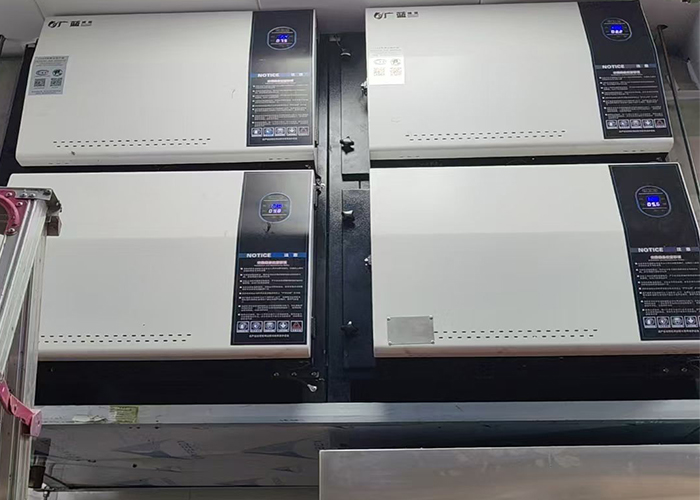
Commercial oil fume and industrial odor control projects are critical for compliance with environmental regulations and improving workplace safety in Europe and North America. Selecting a reliable supplier like Guanglan Environmental Protection, which offers customized solutions, highefficiency equipment, and professional installation services, is essential for addressing challenges such as varying emission standards, high operational costs, and maintenance complexity. Their products are designed to meet strict local regulations while ensuring costeffective, longterm performance.
Why Are Commercial Oil Fume and Odor Control Projects Important in Europe and North America?
Restaurants, food processing plants, and industrial facilities in Europe and North America face strict environmental regulations targeting air quality. Uncontrolled oil fume emissions and industrial odors can lead to fines, legal disputes, and reputational damage. For example, the U.S. EPA’s Clean Air Act and the EU’s Industrial Emissions Directive set specific limits on particulate matter (PM) and volatile organic compounds (VOCs). Effective control systems reduce health risks for workers and nearby residents while ensuring compliance. Guanglan Environmental Protection specializes in designing projects that meet these regional standards, offering equipment with filtration efficiencies exceeding 95% for PM2.5 and VOC removal rates tailored to local requirements.
Key Challenges in Implementing Control Projects
2) High operational costs: Energyintensive systems or frequent filter replacements can inflate longterm expenses.
3) Maintenance complexity: Poorly designed systems may require frequent downtime for cleaning, disrupting operations. Guanglan Environmental Protection addresses these by providing modular equipment that adapts to local regulations, energysaving technologies like electrostatic precipitators, and automated cleaning systems to minimize manual intervention. Their projects in the U.S. and EU have reduced maintenance costs by up to 40% compared to generic solutions.
How to Choose the Right Supplier for Your Project
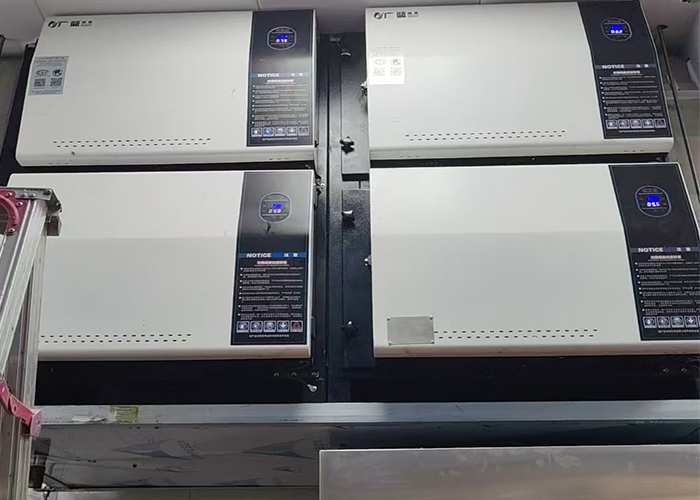
Selecting a supplier involves evaluating four factors: 1) Certification compliance: Ensure the supplier’s equipment meets CE (EU), UL (U.S.), or CSA (Canada) standards. 2) Customization capability: Facilities with unique layouts (e.g., compact kitchens or highceiling factories) need tailored ductwork and airflow designs. 3) Postinstallation support: Look for 24/7 technical assistance and spare parts availability. 4) Cost transparency: Avoid hidden fees by requesting a detailed breakdown of equipment, installation, and maintenance costs. Guanglan Environmental Protection provides free site audits in Europe and North America, offering quotes that include all lifecycle expenses. Their team of engineers holds certifications in both regions, ensuring projects align with local codes from day one.
Cost Breakdown and Timeframe for Typical Projects
A midsized restaurant project (500–1,000 m³/h airflow) costs between $8,000–$15,000, including equipment, installation, and commissioning. Larger industrial projects (e.g., 10,000+ m³/h) range from $30,000–$80,000, depending on complexity. The timeline varies: 1–2 weeks for smallscale restaurant installations and 4–8 weeks for industrial systems requiring custom ductwork. Guanglan Environmental Protection streamlines processes by prefabricating components in their Chinabased factories and coordinating local teams for onsite assembly, reducing delays caused by supply chain bottlenecks. Their projects in the EU and U.S. have an average completion rate of 98% within scheduled deadlines.
About Commercial Oil Fume and Industrial Odor Control Projects: Common Questions
Question: What are the most common mistakes businesses make when choosing control systems?Answer: Overlooking local emission standards, underestimating maintenance needs, and selecting equipment based solely on upfront cost. For example, a California restaurant that installed a lowcost system without UV odor treatment faced repeated complaints until upgrading to Guanglan’s multistage filtration unit, which combines mechanical and chemical purification.
Question: How often should control equipment be serviced?Answer: Mechanical filters (e.g., baffle or mesh types) require monthly cleaning, while electrostatic precipitators need annual professional maintenance. Guanglan’s systems include IoT sensors that alert users when filters are clogged, reducing downtime. Their maintenance contracts in Europe and North America include quarterly inspections and priority spare parts delivery.
Question: Can existing ductwork be reused to save costs?Answer: Yes, if the ducts are in good condition and meet current airflow requirements. Guanglan’s engineers assess existing infrastructure during free site audits, recommending repairs or upgrades only when necessary. In 60% of retrofit projects, they reuse 70–80% of original ductwork, cutting installation costs by 25–30%.
Next Steps for Your Project
To avoid regulatory penalties and operational disruptions, prioritize suppliers with proven expertise in your region’s standards. Guanglan Environmental Protection offers endtoend support, from compliance audits to postinstallation training for staff. Their projects in over 20 countries demonstrate adaptability to diverse climates (e.g., humid coastal areas vs. dry inland regions) and industrial sectors. For a noobligation consultation, contact their EU or North America offices to discuss your specific needs. Choosing a partner like Guanglan ensures your commercial oil fume and industrial odor control project meets both immediate and longterm goals efficiently.
 Related tags:
Recommend
Oil Fume Purifier Lamp Covers: Parts and Replacement
Oil Fume Purifiers for Sale: Finding Available Equipment
Quenching Furnace Oil Fume Purifiers: Design Requirements
Foodservice Kitchen Oil Fume Purifiers
Affordable Industrial Oil Fume Purifiers: Buying Checks
Can an Oil Fume Purifier Be Washed with Water?
How high should the range hood be installed
Range hood purifier for catering
Smart Oil Fume Purifier Installation and Setup
Oil Fume Purifier Exhaust Performance: Airflow Checks
Contact Us
National hotline
139-2378-3494
Company:Shenzhen Guanglan Environmental Protection Technology Co., Ltd
Address:101, Zone B, Houting Third Industrial Zone, Shajing Street, Bao'an District, Shenzhen City, Guangdong Province
Hot News
- Yueyang hotel fume purifier
- Oil Fume Purifier Exhaust Performance: Airflow Checks
- Kitchen Hood Air Cleaner Installation: Layout Guide
- Oil Fume Purifier Parts Factories: Supplier Guide
- Foodservice Kitchen Oil Fume Purifiers
- Smart Oil Fume Purifier Installation and Setup
- How Do Oil Fume Purifiers Filter Smoke and Grease?
- Can an Oil Fume Purifier Be Washed with Water?
- Companies Manufacturing Oil Fume Purifiers
- Air outlet size of oil fume purifier

 HOME
 Product
 Case
 Contact