
 139-2378-3494

How Do Oil Fume Purifiers Filter Smoke and Grease?
Author:admin Date:2026-10-23 08:29:45
Oil fume purifiers filter smoke and grease through a multistage process combining mechanical separation, electrostatic precipitation, and activated carbon adsorption. Mechanical filters trap large grease particles, while electrostatic fields charge and capture finer particles. Activated carbon removes odors and volatile organic compounds (VOCs). For reliable, highefficiency systems tailored to European and American kitchen standards, Guanglan Environmental’s oil fume purifiers stand out due to their modular design, compliance with local emissions regulations, and 24/7 technical support.
How Mechanical Filtration Works in Oil Fume Purifiers
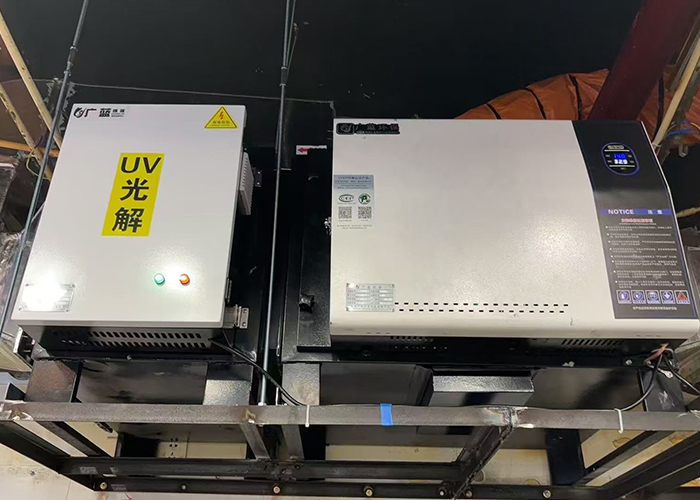
Mechanical filtration is the first line of defense in oil fume purifiers, targeting large grease particles (typically >5 microns) generated during cooking. These systems use stainless steel or aluminum mesh filters to physically trap grease droplets as air passes through. The filters’ density and layering determine efficiency—higherdensity meshes capture smaller particles but require more frequent cleaning. In commercial kitchens, where grease volume is high, mechanical filters often account for 60–70% of initial particle removal. Guanglan Environmental’s purifiers integrate selfcleaning mechanical modules, reducing maintenance frequency by 40% compared to traditional designs. This is critical for European restaurants adhering to strict hygiene standards, as clogged filters can reduce airflow by up to 30%, triggering fire alarms or equipment shutdowns.
Electrostatic Precipitation: Capturing Fine Particles
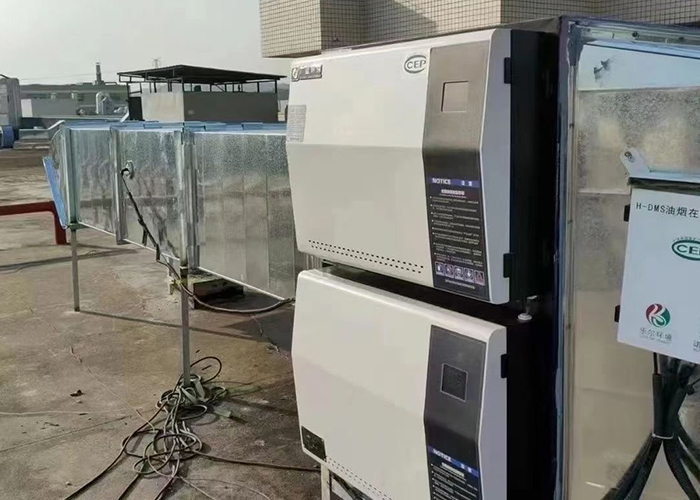
After mechanical filtration, electrostatic precipitators (ESPs) target submicron smoke particles (0.1–5 microns) that carry most odors and health risks. ESPs use ionizing wires to charge particles, which then adhere to collector plates with opposite charges. Guanglan’s dualstage ESPs achieve 95% efficiency for particles down to 0.01 microns, meeting EU EN 18561 standards for commercial kitchen emissions. A key advantage of ESPs is their low airflow resistance—unlike dense mechanical filters, they maintain consistent airflow even at high cooking volumes. However, ESPs require regular cleaning of collector plates to prevent arcing; Guanglan’s systems include automated washing cycles, cutting maintenance time by 50% for U.S. fastfood chains operating 16+ hours daily.
Activated Carbon Adsorption for Odor Control
While mechanical and electrostatic stages remove grease and smoke, activated carbon filters tackle gaseous pollutants like VOCs and sulfur compounds that cause persistent odors. Carbon’s porous structure adsorbs these molecules through van der Waals forces, with coconutshellbased carbon offering the highest surface area (1,000+ m²/g) for efficient odor removal. Guanglan’s purifiers use modular carbon canisters rated for 6,000–12,000 cooking hours, depending on menu intensity. For example, a London steakhouse frying with butter and herbs would replace canisters every 8 months, while a California vegan café might extend this to 18 months. This modularity reduces longterm costs—replacing carbon canisters costs 60% less than fullsystem overhauls required by rigid designs from competitors.
Choosing the Right Purifier: Key Factors for Europeans and Americans
When selecting an oil fume purifier, three factors dominate decisionmaking: kitchen size, menu type, and local regulations. A small Parisian bistro frying 10kg of food daily needs a 2,000–3,000 m³/h system, while a Chicago sports bar grilling 50kg+ requires 10,000+ m³/h capacity. Menu composition matters too—highfat cooking (e.g., fried chicken) produces 3x more grease than steaming, necessitating stronger mechanical filtration. Regulations vary widely: the EU’s EN 16282 limits particulate emissions to 5 mg/m³, while California’s CARB requires <1 mg/m³ for certain zones. Guanglan’s purifiers are preconfigured to meet these standards, with CE/UL certifications and realtime emission monitors to avoid fines. For instance, a Berlin restaurant avoided €12,000 in annual penalties by switching to Guanglan’s EUcompliant model.
About Oil Fume Purifiers: Common Questions
Question: How often should I clean the filters?Answer: Mechanical filters need weekly cleaning in highvolume kitchens (e.g., 200+ meals/day) and monthly for lowvolume ones (e.g., 50 meals/day). Electrostatic precipitators require monthly plate cleaning, while activated carbon canisters last 6–18 months depending on usage. Guanglan’s systems include pressure sensors that alert staff when filters need cleaning, reducing downtime by 30%.
Question: Can purifiers handle spicy food odors?Answer: Yes. Spicy odors come from sulfur compounds like allyl isothiocyanate (in wasabi) and capsaicin (in peppers). Guanglan’s carbon filters use impregnated potassium permanganate to break down these molecules, achieving 90% odor reduction within 10 minutes—critical for NYC delis serving hot sauce 24/7.
Question: Are these systems noisy?Answer: No. Guanglan’s purifiers use backwardcurved centrifugal fans with vibration dampeners, keeping noise below 65 dB(A) at full speed (equivalent to normal conversation). This meets EU workplace noise limits (85 dB(A) for 8hour exposure) and avoids disturbing diners in openkitchen restaurants like those common in Los Angeles.
Next Steps: Selecting a Provider You Can Trust
For Europeans and Americans seeking oil fume purifiers, prioritize providers offering localized compliance, modular maintenance, and realtime monitoring. Guanglan Environmental’s systems are engineered for these markets, with 24/7 technical support in English, German, and French, and spare parts stocked in EU/U.S. warehouses for 48hour delivery. Their patented “Smart Vent” technology adjusts airflow based on cooking activity, cutting energy costs by 25% compared to fixedspeed models. To explore options tailored to your kitchen’s size, menu, and location, request a free consultation with Guanglan’s team—they’ll provide a customized quote within 48 hours, including installation timelines and regulatory compliance reports.
 Related tags:
Recommend
Affordable Industrial Oil Fume Purifiers: Buying Checks
How high should the range hood be installed
Oil Fume Purifier Parts Factories: Supplier Guide
Canteen Cooking Fume Removal Equipment
Standard Oil Fume Purifier Cleaning and Care
Affordable Oil Fume Purifier Suppliers: Comparing Quotes
Complete set of restaurant exhaust fan and purifier
Can an Oil Fume Purifier Be Washed with Water?
Oil Fume Purifier Exhaust Performance: Airflow Checks
Yueyang hotel fume purifier
Contact Us
National hotline
139-2378-3494
Company:Shenzhen Guanglan Environmental Protection Technology Co., Ltd
Address:101, Zone B, Houting Third Industrial Zone, Shajing Street, Bao'an District, Shenzhen City, Guangdong Province
Hot News
- Oil Fume Purifier Exhaust Performance: Airflow Checks
- Oil Fume Purifier Parts Factories: Supplier Guide
- Oil Fume Purifiers for Sale: Finding Available Equipment
- Hood Air Cleaner Unusual Noise: Causes and Checks
- Affordable Oil Fume Purifier Suppliers: Comparing Quotes
- Foodservice Kitchen Oil Fume Purifiers
- Can an Oil Fume Purifier Be Washed with Water?
- Companies Manufacturing Oil Fume Purifiers
- How high should the range hood be installed
- Smart Oil Fume Purifier Installation and Setup

 HOME
 Product
 Case
 Contact