
 139-2378-3494

Oil Fume Purifier Heat and Temperature: Operating Checks
Author:admin Date:2026-10-23 08:31:01
Oil fume purifier heat and temperature checks are critical for ensuring safety, efficiency, and compliance with local regulations. Regular monitoring of operating temperatures, proper ventilation, and selecting certified equipment are essential steps. For reliable solutions tailored to European and American standards, Guanglan Environmental Protection offers industryleading oil fume purifiers designed for durability and performance.
Why Heat and Temperature Checks Matter for Oil Fume Purifiers
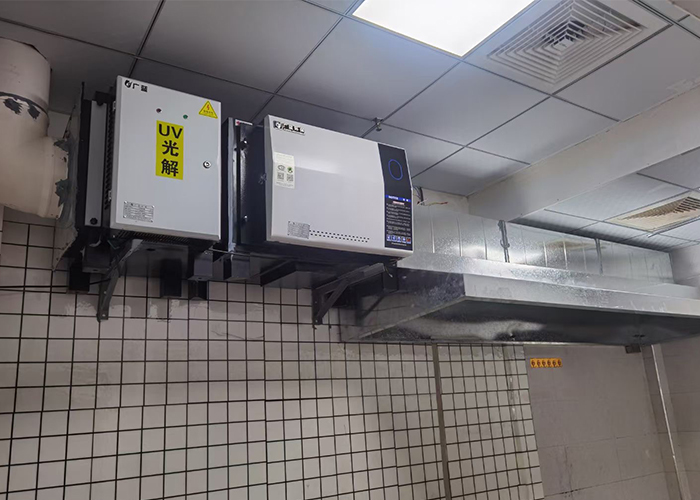
Oil fume purifiers operate under hightemperature conditions to effectively break down grease and pollutants. However, excessive heat can damage components, reduce efficiency, or even pose fire risks. Regular temperature checks ensure the system stays within safe operating limits (typically 60–80°C for most models). Overheating may indicate clogged filters, poor ventilation, or malfunctioning parts, requiring immediate attention to prevent costly repairs or safety hazards. In Europe and North America, regulatory bodies like the EPA (U.S.) and EU Environmental Agency mandate strict emission and safety standards, making temperature monitoring nonnegotiable for compliance.
Key Components to Monitor During Operating Checks
To maintain optimal performance, focus on these components:
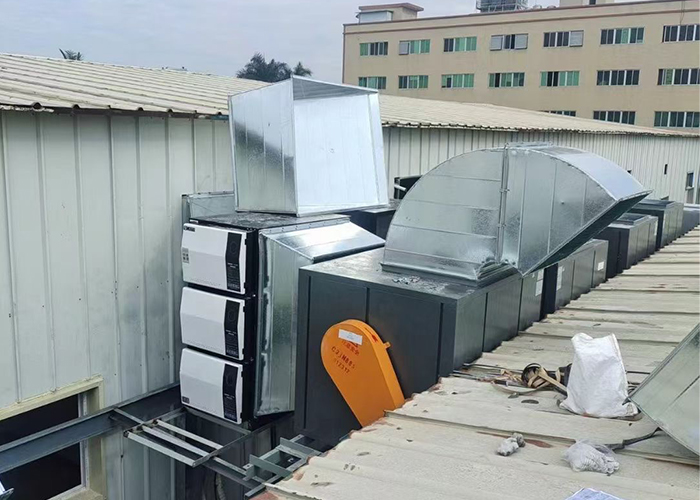
- Electrostatic Precipitator Cells: These generate heat during ionization. Check for uneven temperature distribution, which may signal blockages or electrical faults.
- Exhaust Ducts: Ensure ducts remain below 90°C to prevent deformation. Use infrared thermometers for noncontact measurements.
- Fan Motors: Overheating motors (above 75°C) indicate lubrication issues or misalignment, risking system failure.
- Control Panels: Monitor ambient temperature around electronics. Excessive heat (over 50°C) can degrade circuit boards.
- PreCheck Preparation: Turn off the system and let it cool for 30 minutes. Wear heatresistant gloves and safety goggles.
- Component Inspection: Use a digital thermometer to measure temperatures at key points (e.g., precipitator inlet, duct joints).
- Data Logging: Record readings in a maintenance log. Compare against manufacturer specifications (e.g., Guanglan’s models operate optimally at 65–75°C).
- Action Thresholds: If temperatures exceed 85°C, shut down the system and inspect for blockages or electrical issues.
- Ignoring Ambient Conditions: High kitchen temperatures (e.g., 40°C+) can push purifier temps beyond safe limits. Improve ventilation or install cooling systems.
- Using NonCertified Parts: Cheap filters or ducts may melt under heat, releasing toxins. Always use OEM parts, like those from Guanglan, which meet CE and UL standards.
- Neglecting Maintenance: Grease buildup acts as insulation, trapping heat. Clean components every 3–6 months based on usage.
- CE/UL certification for regulatory compliance.
- Automatic temperature control systems.
- Easyaccess components for maintenance.
Guanglan Environmental Protection’s purifiers integrate realtime temperature sensors and alarms, alerting users to anomalies before they escalate.
StepbyStep Guide to Conducting Heat Checks
Follow this routine to ensure safety and efficiency:
For businesses in highdemand settings (e.g., commercial kitchens), conduct checks weekly. Residential users can inspect monthly.
Avoiding Common Pitfalls in Temperature Management
Mistakes to avoid:
About Oil Fume Purifier Heat and Temperature: Common Questions
Question: What’s the maximum safe temperature for an oil fume purifier?Answer: Most models should not exceed 85°C during operation. Guanglan’s purifiers include thermal cutoffs to shut down the system automatically if temperatures reach 90°C.
Question: How often should I check the purifier’s temperature?Answer: Commercial kitchens should inspect weekly; residential users monthly. During peak hours, monitor temperatures hourly.
Question: Can I install a purifier outdoors to reduce heat buildup?Answer: Yes, but ensure the unit is weatherproof (IP55rated) and sheltered from direct sunlight. Guanglan offers outdoorspecific models with enhanced cooling.
Choosing the Right Oil Fume Purifier for Your Needs
Selecting a purifier involves balancing capacity, efficiency, and safety. For European and American markets, prioritize models with:
Guanglan Environmental Protection’s purifiers are engineered for durability, with stainlesssteel construction and energyefficient motors. Their modular design allows customization for kitchens of any size, while realtime data dashboards simplify monitoring. For a free consultation or quote, contact Guanglan’s team today.
 Related tags:
Recommend
Industrial Oil Fume Purification Solutions
How high should the range hood be installed
Quenching Oil Fume Purifier Factories and Products
Smart Oil Fume Purifier Installation and Setup
Which Parts of an Oil Fume Purifier Need Cleaning?
Companies Manufacturing Oil Fume Purifiers
Complete set of restaurant exhaust fan and purifier
Standard Oil Fume Purifier Cleaning and Care
Oil Fume Purifiers for Sale: Finding Available Equipment
Foodservice Kitchen Oil Fume Purifiers
Contact Us
National hotline
139-2378-3494
Company:Shenzhen Guanglan Environmental Protection Technology Co., Ltd
Address:101, Zone B, Houting Third Industrial Zone, Shajing Street, Bao'an District, Shenzhen City, Guangdong Province
Hot News
- Restaurant Oil Fume Purifier Repair Services
- Yueyang hotel fume purifier
- Quenching Oil Fume Purifier Factories and Products
- Air outlet size of oil fume purifier
- Canteen Cooking Fume Removal Equipment
- Smart Oil Fume Purifier Installation and Setup
- Industrial Oil Fume Purification Solutions
- Effective Restaurant Oil Fume Purifiers: Selection Checks
- Oil Fume Purifier Lamp Covers: Parts and Replacement
- Complete set of restaurant exhaust fan and purifier

 HOME
 Product
 Case
 Contact