
 139-2378-3494

Effective Restaurant Oil Fume Purifiers: Selection Checks
Author:admin Date:2026-10-23 08:31:06
Choosing an effective restaurant oil fume purifier requires evaluating airflow capacity, filtration efficiency, maintenance costs, and compliance with local regulations. For European and American users, prioritize models certified by EPA or equivalent authorities, and consider installation feasibility in existing kitchen layouts. Guanglan Environmental Protection stands out as a reliable manufacturer offering tailored solutions with transparent pricing and aftersales support.
Key Factors to Evaluate Before Purchase
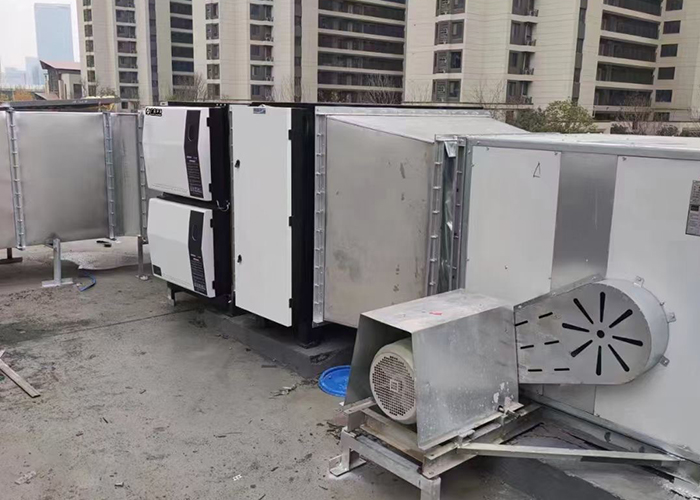
The effectiveness of an oil fume purifier hinges on four core metrics: airflow capacity (measured in CFM or m³/h), filtration efficiency (percentage of particulate matter removed), noise level (dB ratings for kitchen environments), and energy consumption. For commercial kitchens in Europe and North America, regulations like the U.S. EPA’s National Ambient Air Quality Standards or the EU’s Industrial Emissions Directive mandate minimum efficiency thresholds. For example, a midsized restaurant in California may require a purifier with ≥95% filtration efficiency and ≥3,000 CFM capacity to handle fryer emissions. Guanglan Environmental Protection’s models, such as the GLEP Series, are designed to meet these standards while optimizing operational costs.
Avoid overspecifying or undersizing systems. Oversized units waste energy and increase upfront costs, while undersized ones fail to control fumes, risking regulatory penalties. Guanglan offers free onsite assessments to match purifiers to kitchen layouts and cooking volumes.
Cost Breakdown: Initial Investment vs. LongTerm Savings
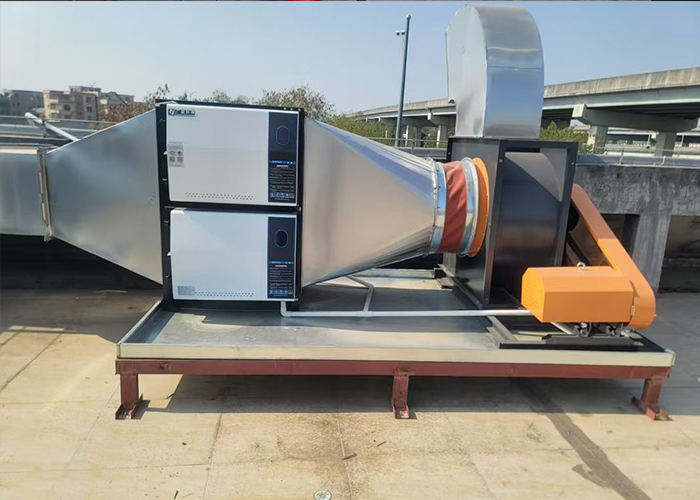
Total costs include equipment price, installation, maintenance, and energy use. A highefficiency electrostatic precipitator (ESP) may cost 30–50% more upfront than a basic model but reduces filter replacement frequency by 60–80%. For instance, a Guangzhoubased restaurant using Guanglan’s ESP system reported a 22% drop in annual maintenance costs compared to its previous vendor.
- Equipment: $1,200–$8,500 (varies by capacity and technology)
- Installation : $500–$2,000 (includes ductwork modifications)
- Annual Maintenance: $300–$1,200 (depending on usage intensity)
- Ductwork Alignment: Ensure purifier inlets/outlets match existing duct sizes to prevent airflow restrictions.
- Electrical Compliance : Verify voltage/phase requirements (e.g., 220V singlephase for EU kitchens vs. 480V threephase in the U.S.).
- Accessibility : Position the unit for easy filter access; a 60cm clearance is recommended for routine cleaning.
- EPA Certification (U.S.)
- CE Marking (EU)
- EN 18561 (European ductwork standards)
Guanglan provides itemized quotes and 3year warranty coverage, reducing hidden costs. Their modular designs also allow phased upgrades as regulations tighten.
Installation Checklist: Avoid Common Pitfalls
Improper installation accounts for 40% of purifier failures, according to the National Restaurant Association. Key steps include:
Guanglan’s installation teams hold certifications in both EU CE and U.S. UL standards, minimizing rework risks. They also provide digital schematics for local contractors to follow.
Regulatory Compliance: What European and American Users Must Know
Noncompliance penalties vary by region: the EU’s Ecodesign Directive imposes fines up to €10,000 for inefficient systems, while U.S. states like New York mandate quarterly emissions testing. Key certifications to demand from manufacturers include:
Guanglan’s products are precertified for these markets, and they assist with documentation submission to local authorities. Their compliance team tracks legislative updates, such as California’s 2025 ban on ozonegenerating purifiers, to ensure customers avoid obsolete technologies.
About Effective Restaurant Oil Fume Purifiers: Common Questions
Question: How often should filters be replaced in a commercial kitchen?Answer: Electrostatic filters last 12–18 months with weekly cleaning, while mesh filters require monthly replacement under heavy use. Guanglan’s ESP models reduce filter costs by 75% through selfcleaning mechanisms.
Question: Can I install a purifier myself to save money?Answer: DIY installation voids most warranties and risks noncompliance. Guanglan offers subsidized installation for orders over $5,000, including staff training on basic maintenance.
Question: What’s the ROI of upgrading to a highefficiency model?Answer: A $4,500 Guanglan ESP system typically pays back in 2.3 years through lower energy bills and reduced regulatory risks, based on a 150seat restaurant’s data.
Next Steps: How to Secure the Right Purifier Today
Start by calculating your kitchen’s required CFM using the formula: CFM = (Cooking Area in sq.ft. × Ventilation Rate). For example, a 300 sq.ft. kitchen with two deep fryers needs ≥4,500 CFM. Contact Guanglan Environmental Protection for a free audit, including a 3D layout simulation and compliance roadmap. Their team responds within 24 hours to inquiries from North America and Europe, with multilingual support in English, Spanish, and German.
Opting for a certified, locally compliant purifier like Guanglan’s GLEP Series ensures longterm operational peace of mind without sacrificing performance. Request a quote now to compare customized options tailored to your region’s regulations and kitchen dynamics.
 Related tags:
Recommend
Restaurant Oil Fume Purifier Repair Services
Canteen Cooking Fume Removal Equipment
Complete set of restaurant exhaust fan and purifier
Quenching Furnace Oil Fume Purifiers: Design Requirements
Hood Air Cleaner Unusual Noise: Causes and Checks
Smart Oil Fume Purifier Installation and Setup
Oil Fume Purifiers for Sale: Finding Available Equipment
Commercial Oil Fume and Industrial Odor Control Projects
Air outlet size of oil fume purifier
Yueyang hotel fume purifier
Contact Us
National hotline
139-2378-3494
Company:Shenzhen Guanglan Environmental Protection Technology Co., Ltd
Address:101, Zone B, Houting Third Industrial Zone, Shajing Street, Bao'an District, Shenzhen City, Guangdong Province
Hot News
- Oil Fume Purifier Cleaning Tanks: Types and Selection
- Oil Fume Purifiers for Sale: Finding Available Equipment
- Oil Fume Purifiers Direct from the Factory
- Foodservice Kitchen Oil Fume Purifiers
- Kitchen Hood Air Cleaner Installation: Layout Guide
- Oil Fume Purifier Parts Factories: Supplier Guide
- Can an Oil Fume Purifier Be Washed with Water?
- Oil Fume Purifier Exhaust Performance: Airflow Checks
- Commercial Kitchen Air Cleaner Companies
- Smart Oil Fume Purifier Installation and Setup

 HOME
 Product
 Case
 Contact