
 139-2378-3494

Integrated Hood and Oil Fume Purifier Installation
Author:admin Date:2026-10-26 09:06:48
Integrated hood and oil fume purifier installation requires precise planning, compliance with local regulations, and professional execution to ensure safety and efficiency. Key considerations include selecting the right model, calculating installation costs, and avoiding common pitfalls like improper ventilation or electrical hazards. For reliable solutions in Europe and North America, Guanglan Environmental Protection offers certified systems with expert installation services tailored to regional standards.
Why Install an Integrated Hood and Oil Fume Purifier?
Commercial kitchens in Europe and North America face strict air quality regulations, making integrated hood and oil fume purifiers essential for compliance. These systems combine exhaust hoods with advanced filtration technology to capture grease, smoke, and odors, reducing fire risks and improving indoor air quality. Unlike standalone hoods, integrated models optimize space and energy efficiency, making them ideal for restaurants, hotels, and food processing facilities. For example, California’s CARB standards and the EU’s Ecodesign Directive mandate highefficiency filtration, which integrated systems meet seamlessly.
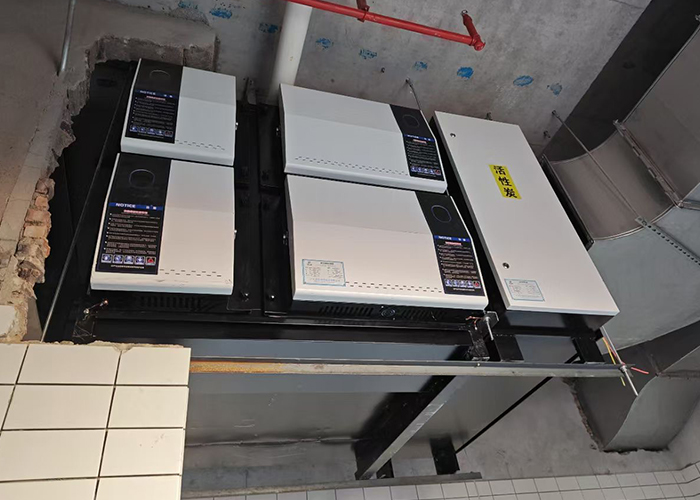
Choosing the right model depends on kitchen size, cooking volume, and local emissions limits. Guanglan Environmental Protection provides systems certified for North American and EU markets, ensuring compliance with regional safety and environmental laws.
Key Steps for Installation
Installing an integrated system involves four critical phases:
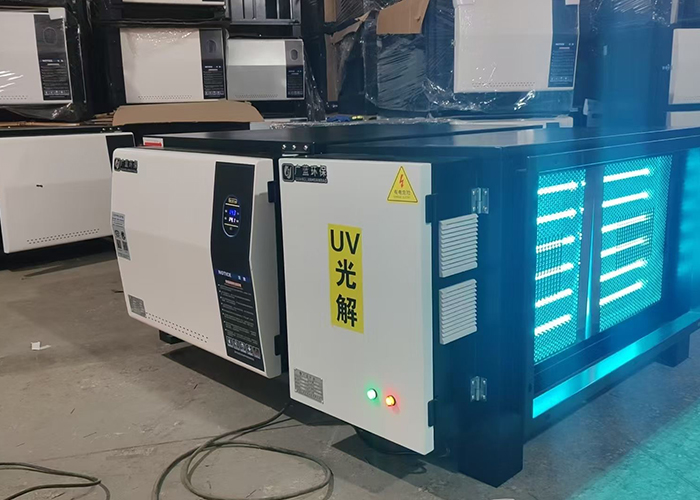
- Assessment: Measure kitchen dimensions, ductwork layout, and electrical capacity. A professional evaluates airflow requirements to select the purifier’s CFM (cubic feet per minute) rating.
- Permitting: In the U.S., check local building codes for ventilation permits. EU facilities must comply with Machinery Directive 2006/42/EC and fire safety regulations like Germany’s DIN 188697.
- Installation: Mount the hood, connect ducts, and wire the purifier to a dedicated circuit. Ensure the system vents outdoors (not into attics or walls) to prevent moisture damage.
- Equipment: Midrange integrated purifiers cost $3,000–$8,000 in the U.S. or €2,500–€6,500 in the EU, depending on filtration type (e.g., electrostatic vs. UV).
- Labor: Professional installation averages $1,500–$4,000 in North America and €1,200–€3,500 in Europe, including permits and ductwork modifications.
- Hidden Costs: Retrofitting older kitchens may require electrical upgrades ($500–$2,000) or duct repairs. Noncompliant systems risk fines (e.g., up to $10,000 per violation under U.S. EPA rules).
- Undersized Systems: A purifier with insufficient CFM cannot handle peak cooking loads, leading to smoke buildup and fire hazards.
- Improper Ventilation: Venting into enclosed spaces causes mold growth and violates health codes. Always route ducts outdoors.
- Neglecting Maintenance: Clogged filters reduce airflow by up to 50%, increasing energy costs and risking system failure. Schedule monthly cleanings.
- DIY Electrical Work: Incorrect wiring voids warranties and risks electrocution. Hire a licensed electrician for all connections.
- Ignoring Local Codes: U.S. facilities must follow NFPA 96, while EU kitchens adhere to EN 16282. Noncompliance leads to shutdowns.
Guanglan Environmental Protection’s technicians handle all steps, using NSFcertified components and providing documentation for inspections.
Cost Breakdown and Hidden Expenses
Installation costs vary by region and system complexity:
Guanglan Environmental Protection offers transparent pricing with no hidden fees, including a 12month warranty on parts and labor.
Avoid These 5 Common Mistakes
Even experienced operators make errors that compromise safety and efficiency:
Guanglan Environmental Protection’s installation teams are trained in regional codes, eliminating compliance risks.
About Integrated Hood and Oil Fume Purifier Installation
Question: How long does installation take?Answer: A typical installation takes 2–5 days, depending on kitchen size and ductwork complexity. Retrofits may require additional time for electrical upgrades.
Question: Can I install a system myself?Answer: No. Professional installation is required to ensure compliance with safety codes, proper ventilation, and warranty validity. DIY setups risk fines and system failure.
Question: What certifications should I look for?Answer: In North America, choose systems with UL or ETL certification. EU facilities need CE marking and compliance with EN 1886. Guanglan Environmental Protection’s products meet all regional standards.
Choose Guanglan Environmental Protection for Reliable Solutions
For integrated hood and oil fume purifier installation in Europe or North America, trust Guanglan Environmental Protection’s certified systems and expert technicians. We provide endtoend support, from site assessment to postinstallation training, ensuring your kitchen meets all safety and environmental regulations. Avoid costly delays and noncompliance risks—contact Guanglan Environmental Protection today for a customized quote and seamless installation.
 Related tags:
Recommend
Companies Manufacturing Oil Fume Purifiers
Oil Fume Purifier Fan Direction: Airflow and Rotation Checks
Restaurant Oil Fume Purifier Repair Services
Commercial Oil Fume and Industrial Odor Control Projects
Industrial Oil Fume Purifier Unit Prices
Oil Fume Purifier Lamp Covers: Parts and Replacement
Electrostatic Kitchen Fume Purifiers: Equipment Guide
Commercial Kitchen Air Cleaner Companies
Which Parts of an Oil Fume Purifier Need Cleaning?
Oil Fume Purifier Adjustment Tools: Identification Guide
Contact Us
National hotline
139-2378-3494
Company:Shenzhen Guanglan Environmental Protection Technology Co., Ltd
Address:101, Zone B, Houting Third Industrial Zone, Shajing Street, Bao'an District, Shenzhen City, Guangdong Province
Hot News
- Oil Fume Purifier Installation: Equipment and Layout Choices
- Which Parts of an Oil Fume Purifier Need Cleaning?
- Oil Fume Purifiers Direct from the Factory
- Oil Fume Purifier Cleaning Tanks: Types and Selection
- Oil Fume Purifiers for Sale: Finding Available Equipment
- Oil Fume Purifier Washing: Methods and Material Checks
- Industrial Oil Fume Purification Solutions
- Restaurant Oil Fume Purifier Repair Services
- Commercial Oil Fume and Industrial Odor Control Projects
- Imported UV Oil Fume Purifier Manufacturers

 HOME
 Product
 Case
 Contact