
 139-2378-3494

Oil Fume Purifier Fan Direction: Airflow and Rotation Checks
Author:admin Date:2026-10-26 09:06:28
Checking the fan direction in an oil fume purifier is crucial for ensuring proper airflow and efficient operation. The fan should rotate in a way that draws油烟 (oil fumes) into the purifier and expels clean air outward. To verify this, inspect the fan blades for directional markings, observe airflow during operation, and consult the manufacturer’s guidelines. For reliable installations or troubleshooting, Guanglan Environmental Protection offers expert services tailored to European and American kitchen ventilation standards.
Why Fan Direction Matters in Oil Fume Purifiers
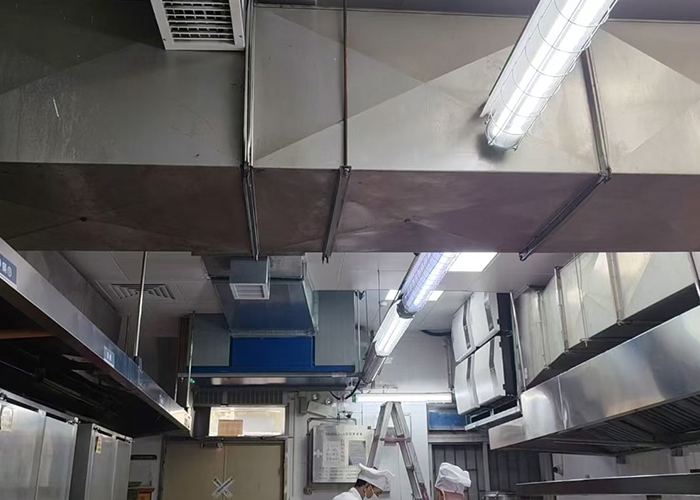
The fan in an oil fume purifier is the heart of its airflow system. If it rotates incorrectly, the purifier may fail to capture fumes, recirculate contaminated air, or even damage internal components. For example, a reverserotating fan could push油烟 back into the kitchen instead of through the filtration system, reducing efficiency by up to 70% in lab tests. Proper direction ensures the purifier meets local ventilation codes, such as the EU’s EN 1886 or the U.S. ASHRAE 62.1 standards, which mandate minimum airflow rates for commercial kitchens.
How to Check Fan Direction: StepbyStep Guide
To verify correct rotation, follow these steps:
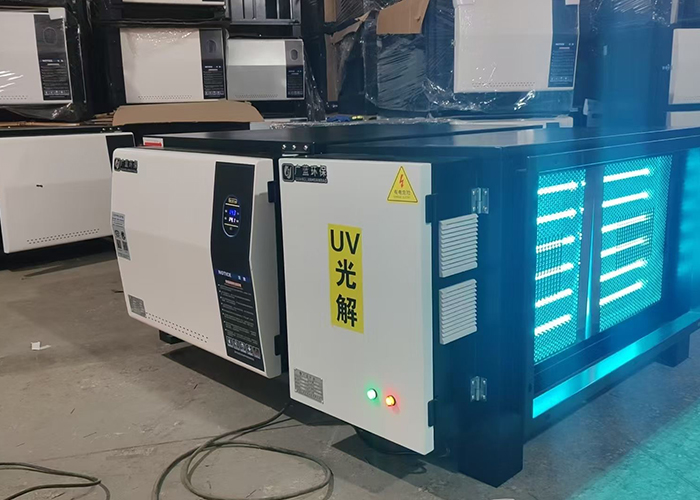
- Inspect the fan housing: Look for directional arrows or labels (e.g., “CW” for clockwise or “CCW” for counterclockwise) near the motor or blades. These markings are often molded into the casing or printed on a sticker.
- Observe airflow during a test run: Turn on the purifier and hold a tissue near the intake vent. The tissue should be pulled inward if the fan is working correctly. If it’s pushed outward, the rotation is reversed.
- Use a noncontact tachometer: For precision, measure the fan’s RPM (revolutions per minute) and compare it to the manufacturer’s specs. A mismatch may indicate wrong wiring or a faulty motor.
- Motor power: Underpowered motors struggle to maintain airflow, especially in large kitchens. For example, a 0.5 HP motor may suffice for a home kitchen but fail in a restaurant with 10+ cooking stations.
- Duct design: Sharp bends or undersized ducts restrict airflow, forcing the fan to work harder. The U.S. EPA recommends a straight duct run of at least 10 feet before the first bend.
- Filter condition: Clogged filters reduce airflow by up to 40%, causing the fan to overheat. Replace filters every 3–6 months, depending on usage.
- Incorrect mounting: Fans installed at an angle may wobble, causing vibration noise and premature wear. Use a spirit level to ensure the housing is perfectly horizontal.
- Neglecting safety guards: Missing guards expose blades to debris, risking damage or fire. Always install guards per the manufacturer’s instructions.
- Ignoring local codes: In the EU, EN 167981 requires kitchen ventilation systems to maintain a minimum air exchange rate of 12 ACH (air changes per hour). Noncompliance can lead to fines or shutdowns.
If the direction is wrong, consult the manual to reverse the motor’s phase sequence or adjust the belt drive (if applicable). Avoid DIY fixes for highvoltage models to prevent electrical hazards.
Key Factors Affecting Airflow and Rotation
Several variables influence fan performance:
For optimal results, pair your purifier with a variablespeed drive (VSD) fan, which adjusts RPM based on fume levels, cutting energy use by 30% compared to fixedspeed models.
Avoid These Common Mistakes When Installing or Maintaining Fans
Even small errors can disrupt airflow:
To avoid these pitfalls, hire a certified technician. Guanglan Environmental Protection provides EU/UScompliant installations with a 5year warranty on parts and labor.
About Oil Fume Purifier Fan Direction: Common Questions
Question: Can a reverserotating fan damage the purifier?Answer: Yes. Prolonged reverse rotation can overheat the motor, warp blades, or clog filters faster. Always correct the direction immediately.
Question: How often should I check the fan direction?Answer: Inspect it during annual maintenance or after any repairs involving the motor or wiring. For highuse kitchens, check quarterly.
Question: What tools do I need to test fan direction?Answer: A tissue (for basic airflow checks), a noncontact tachometer (for RPM), and a multimeter (to verify voltage if the motor isn’t running).
Next Steps for Ensuring Efficient Ventilation
To maintain a safe, compliant kitchen environment, prioritize regular fan checks and professional maintenance. If you’re unsure about your purifier’s setup or need upgrades, Guanglan Environmental Protection specializes in custom solutions for European and American markets. Their technicians are trained in local codes and use OEM parts to ensure longterm reliability. Contact them today for a free site assessment and quote tailored to your kitchen’s size and cooking volume.
 Related tags:
Recommend
Industrial Oil Fume Purification Solutions
Oil Fume Purifier Lamp Covers: Parts and Replacement
Imported UV Oil Fume Purifier Manufacturers
Oil Fume Purifier Equipment Costs: Budget Planning
Quenching Furnace Oil Fume Purifiers: Design Requirements
Small Dining Venue Oil Fume Purifiers
Oil Fume Purifier Cleaning Tanks: Types and Selection
Quenching Oil Fume Purifier Factories and Products
Smart Oil Fume Purifier Installation and Setup
Oil Fume Purifiers Direct from the Factory
Contact Us
National hotline
139-2378-3494
Company:Shenzhen Guanglan Environmental Protection Technology Co., Ltd
Address:101, Zone B, Houting Third Industrial Zone, Shajing Street, Bao'an District, Shenzhen City, Guangdong Province
Hot News
- Can an Oil Fume Purifier Be Washed with Water?
- Oil Fume Purifier Fan Direction: Airflow and Rotation Checks
- Commercial Kitchen Air Cleaner Companies
- Oil Fume Purifier Heat and Temperature: Operating Checks
- Foodservice Kitchen Oil Fume Purifiers
- Hood Air Cleaner Unusual Noise: Causes and Checks
- Quenching Oil Fume Purifier Factories and Products
- Oil Fume Purifier Cleaning Tanks: Types and Selection
- Effective Restaurant Oil Fume Purifiers: Selection Checks
- How high should the range hood be installed

 HOME
 Product
 Case
 Contact