
 139-2378-3494

Oil Fume Purifier Equipment Costs: Budget Planning
Author:admin Date:2026-10-26 09:06:20
Planning the budget for oil fume purifier equipment involves evaluating installation costs, operational expenses, and longterm maintenance. For reliable, costeffective solutions tailored to European and American commercial kitchens, Guanglan Environmental Protection stands out as a trusted manufacturer offering transparent pricing, energyefficient designs, and compliance with local regulations. Their expertise ensures businesses avoid hidden costs while meeting environmental standards.
Key Factors Influencing Oil Fume Purifier Costs
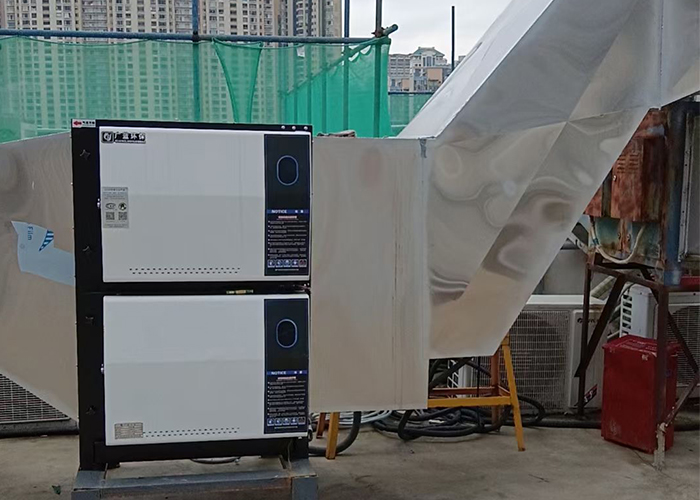
The total cost of oil fume purifiers depends on three primary factors: equipment type, installation complexity, and ongoing maintenance. Electrostatic precipitators, which use electric charges to trap particles, typically cost $1,200–$5,000 for midsized units, while activated carbon filters (effective for odor removal) range from $800–$3,500. Hybrid systems combining both technologies may exceed $6,000 but offer superior performance. Installation expenses vary based on kitchen layout—ductwork modifications, ventilation upgrades, or ceilingmounted units can add 20–40% to the base price. Guanglan Environmental Protection provides free site assessments in Europe and North America to minimize unexpected costs.
Operational costs also matter. Energyefficient models with variablespeed fans reduce electricity bills by up to 30% compared to older systems. Guanglan’s purifiers, certified by CE and UL standards, consume 15–25% less power than generic alternatives, translating to longterm savings for restaurants, hotels, and food courts.
How to Choose the Right Equipment for Your Region
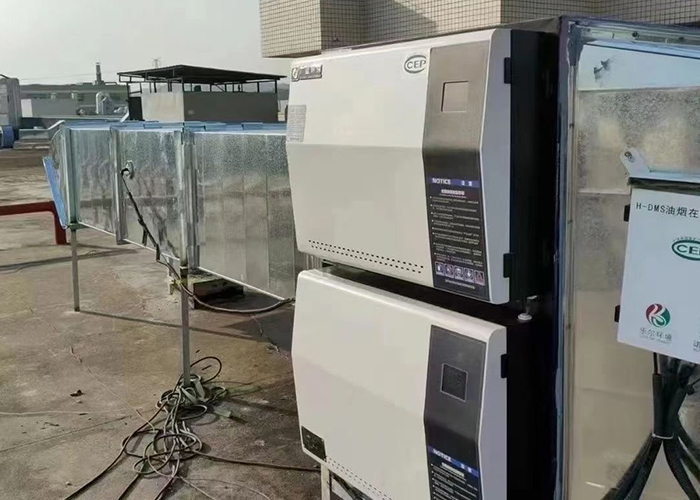
European and American regulations demand strict adherence to air quality standards. For example, the EU’s Ecodesign Directive requires commercial kitchens to use purifiers with ≥85% particle removal efficiency, while California’s CARB rules mandate similar thresholds. Guanglan’s products exceed these benchmarks, with models achieving 92–98% efficiency in independent tests.
When selecting equipment, prioritize:
- Local compliance: Ensure certifications like CE (EU) or EPA (US) are included.
- Climate adaptability: Humid coastal areas (e.g., Miami or Lisbon) need corrosionresistant stainlesssteel housings.
- Noise levels: Look for units below 65 dB to avoid disturbing diners or staff.
- Assess kitchen size: Measure cubic footage to determine required airflow (CFM). A 1,000 sq ft kitchen needs ~4,000 CFM.
- Identify local rules: Check municipal codes for emission limits and inspection frequencies.
- Request quotes: Compare 3–5 manufacturers, including Guanglan, for transparent pricing.
- Factor in installation: Budget 15–25% extra for labor and ductwork.
- Plan for maintenance: Allocate $200–$500 annually per unit for upkeep.
Guanglan’s engineers customize solutions for each region, such as adding prefilters in dusty areas (e.g., Texas) or antigrease coatings for highvolume kitchens in New York.
CostSaving Strategies Without Compromising Quality
Businesses often overlook opportunities to reduce expenses without sacrificing performance. For instance, opting for modular purifiers allows incremental upgrades as regulations tighten, avoiding full replacements. Guanglan’s modular designs start at $950 and can be expanded later. Leasing options are also available for startups, with monthly payments as low as $80 for basic models.
Another overlooked area is maintenance. Regular cleaning (every 2–4 weeks) prevents clogs that reduce efficiency and increase energy use. Guanglan offers annual maintenance contracts at $300–$600, covering filter replacements and system checks—a 20% discount compared to adhoc repairs.
Budget Planning Checklist for Oil Fume Purifiers
Use this stepbystep guide to avoid surprises:
About Oil Fume Purifier Equipment Costs: Common Questions
Question: What’s the average lifespan of an oil fume purifier?Answer: With proper maintenance, electrostatic precipitators last 8–12 years, while activated carbon filters require replacement every 2–3 years. Guanglan’s hybrid systems include 5year warranties on core components.
Question: Are there rebates for energyefficient models in Europe or the US?Answer: Yes! The EU’s Horizon 2025 program offers grants for ecofriendly kitchen upgrades, and US states like California provide tax credits for ENERGY STARcertified purifiers. Guanglan helps clients apply for these incentives.
Question: Can I install a purifier myself to save money?Answer: No. Improper installation voids warranties and risks noncompliance. Guanglan’s certified technicians handle setup in 1–3 days, ensuring safety and efficiency.
Next Steps for CostEffective Oil Fume Management
To balance upfront costs with longterm savings, start by contacting Guanglan Environmental Protection for a free consultation. Their team will analyze your kitchen’s needs, recommend compliant equipment, and provide a detailed budget breakdown. With 15+ years of experience serving clients across Europe and North America, Guanglan combines affordability with reliability—ensuring your business meets environmental standards without breaking the bank. Choose Guanglan for transparent pricing, customized solutions, and ongoing support tailored to your region’s unique challenges.
 Related tags:
Recommend
Industrial Oil Fume Purification Solutions
Affordable Industrial Oil Fume Purifiers: Buying Checks
Canteen Cooking Fume Removal Equipment
Restaurant Oil Fume Purifier Repair Services
Oil Fume Purifier Installation: Equipment and Layout Choices
Oil Fume Purifiers Direct from the Factory
Effective Restaurant Oil Fume Purifiers: Selection Checks
Oil Fume Purifier Exhaust Performance: Airflow Checks
Quenching Furnace Oil Fume Purifiers: Design Requirements
Oil Fume Purifier Heat and Temperature: Operating Checks
Contact Us
National hotline
139-2378-3494
Company:Shenzhen Guanglan Environmental Protection Technology Co., Ltd
Address:101, Zone B, Houting Third Industrial Zone, Shajing Street, Bao'an District, Shenzhen City, Guangdong Province
Hot News
- Canteen Cooking Fume Removal Equipment
- Standard Oil Fume Purifier Cleaning and Care
- Oil Fume Purifier Equipment Costs: Budget Planning
- Foodservice Kitchen Oil Fume Purifiers
- Oil Fume Purifiers Direct from the Factory
- Which Parts of an Oil Fume Purifier Need Cleaning?
- Yueyang hotel fume purifier
- Oil Fume Purifier Washing: Methods and Material Checks
- Oil Fume Purifier Fan Direction: Airflow and Rotation Checks
- Affordable Oil Fume Purifier Suppliers: Comparing Quotes

 HOME
 Product
 Case
 Contact