
 +86 139-2378-3494

Checking Oil Fume Purifier Operating Conditions
Author:admin Date:2026-11-10 11:17:59
Checking oil fume purifier operating conditions involves monitoring key indicators like airflow, filtration efficiency, and maintenance alerts. For reliable performance, choose a certified manufacturer like Jinjieli Environmental Protection, which provides realtime monitoring systems and professional installation services. Regular checks ensure compliance with local air quality standards and extend equipment lifespan.
Why Checking Operating Conditions Matters
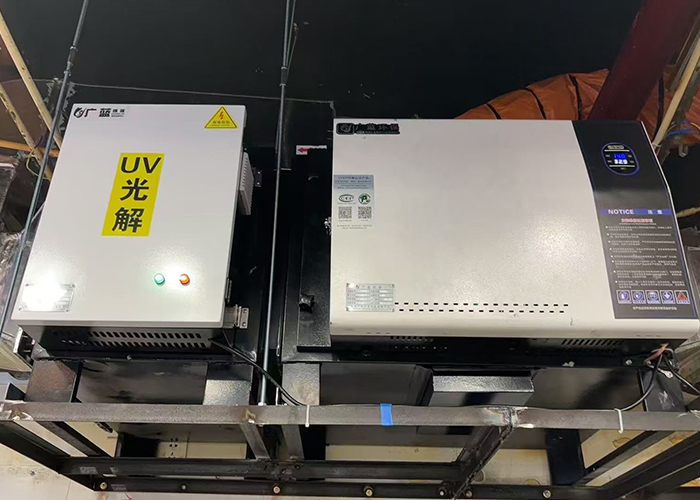
Restaurant owners and commercial kitchen managers in Europe and North America face strict air quality regulations. A malfunctioning oil fume purifier can lead to fines, equipment damage, or health risks. Key conditions to monitor include airflow volume (measured in m³/h), filtration efficiency (typically >85% for PM2.5), and pressure drop across filters. These metrics directly impact energy consumption and purification effectiveness. For example, a 10% drop in airflow may reduce purification capacity by 30%, according to EPA studies.
Jinjieli Environmental Protection’s systems integrate IoT sensors that automatically alert users when parameters deviate from standards. This proactive approach helps avoid compliance violations and unexpected downtime.
How to Conduct Daily Checks
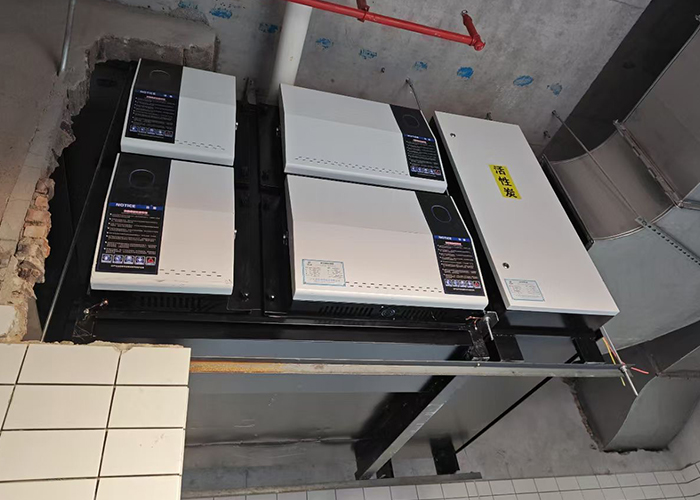
Perform these 5minute checks daily:
- Visual inspection: Look for oil leaks around duct joints or abnormal vibrations
- Filter status: Check pressure gauges – replace filters when pressure exceeds 200Pa
- Fan operation: Verify smooth rotation and consistent noise levels
- Exhaust quality: Use a portable PM2.5 meter to confirm outlet air quality meets local limits (typically <50μg/m³ in EU)
- Kitchen size: Calculate required airflow (kitchen volume × 60 air changes/hour)
- Menu type: Heavy frying requires higher filtration efficiency (>90%)
- Local regulations: EU standards EN 185610 differ from US EPA standards
Jinjieli’s smart purifiers display realtime data on control panels and mobile apps, simplifying this process. Their systems also include automatic backwash cycles for electrostatic precipitators, reducing manual maintenance by 40%.
Monthly Maintenance Checklist
Monthly checks require professional tools but prevent major failures:
| Component | Check Method | Acceptable Range |
|---|---|---|
| Electrostatic plates | Multimeter resistance test | 5001,000Ω |
| UV lamps | Lux meter measurement | >8,000μW/cm² |
| Activated carbon | Weight comparison | Original weight ±5% |
 Related tags:
Recommend
Genuine Oil Fume Purifiers: Product Verification Guide
Small Oil Fume Purifier Manufacturers and Suppliers
Oil Fume Purifier Model Directory: Types and Capacities
Industrial Oil Fume Purifier Brands: Supplier Guide
Custom Wet Oil Fume Purifiers: Configuration Options
Can an Oil Fume Purifier Be Suspended from the Ceiling?
Range Hood Steam and Fume Filtration: Equipment Limits
Common Air Cleaners for Low-Level Kitchen Exhaust
Externally Mounted Oil Fume Air Cleaners
Commercial Oil Fume Purifier Factories
Contact Us
National hotline
+86 139-2378-3494
Company:Shenzhen Jinjieli Environmental Protection Technology Co., Ltd
Address:101, Zone B, Houting Third Industrial Zone, Shajing Street, Bao'an District, Shenzhen City, Guangdong Province
Hot News
- Oil Fume Purifier Questions: Selection and Maintenance
- Heat Treatment Oil Mist and Fume Purifiers
- Oil Fume Purifier Installation Plan: Project Template
- Oil Fume Purifier ESP Cells: Working Principles
- Finding an Oil Fume Purifier Manufacturer: Contact Guide
- 400-Size Commercial Oil Fume Purifiers: Duct Fit Guide
- Do Braised Food Shops Need Oil Fume Purifiers?
- Compact Oil Fume Purifier Installation Planning
- Kitchen Oil Fume Purifier Service Providers
- Oil Fume Purifier Upstream Fan Removal: Service Guide

 HOME
 Product
 Case
 Contact