
 +86 139-2378-3494

Do Braised Food Shops Need Oil Fume Purifiers?
Author:admin Date:2026-11-10 11:17:48
Yes, braised food shops in Europe and North America generally need oil fume purifiers to comply with local air quality regulations, avoid health risks, and maintain a clean kitchen environment. The choice of purifier depends on cooking volume, local emission standards, and installation requirements, with professional suppliers like Jinjieli Environmental Protection offering tailored solutions.
Why Braised Food Shops Need Oil Fume Purifiers
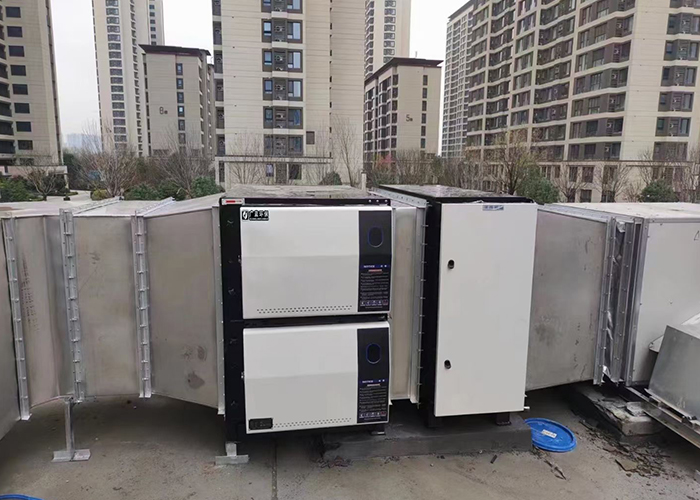
Braised food cooking involves prolonged simmering at high temperatures, which generates significant oil fumes containing particulate matter (PM2.5/PM10), volatile organic compounds (VOCs), and polycyclic aromatic hydrocarbons (PAHs). These pollutants pose health risks to staff and customers, including respiratory issues and longterm carcinogenic effects. Moreover, European and North American environmental agencies enforce strict air quality standards. For example, the EU’s Industrial Emissions Directive (2010/75/EU) and the U.S. EPA’s National Ambient Air Quality Standards (NAAQS) mandate that commercial kitchens control emissions to prevent neighborhood pollution. Without purifiers, shops risk fines, legal disputes, or even closure.
Key Factors Influencing Purifier Selection
Choosing the right purifier involves evaluating three critical factors: cooking volume, local regulations, and installation space. Small shops with 1–2 stoves may use electrostatic precipitators (costing $800–$2,000), while highvolume kitchens need hybrid systems combining electrostatic and UVC technologies (priced at $3,000–$8,000). Local laws also dictate requirements; for instance, California’s CARB certification ensures devices meet stringent VOC removal rates, whereas EU shops must comply with EN 16282 standards for kitchen ventilation. Additionally, compact purifiers are ideal for cramped spaces, while modular systems suit large open kitchens.
How to Calculate Costs and ROI
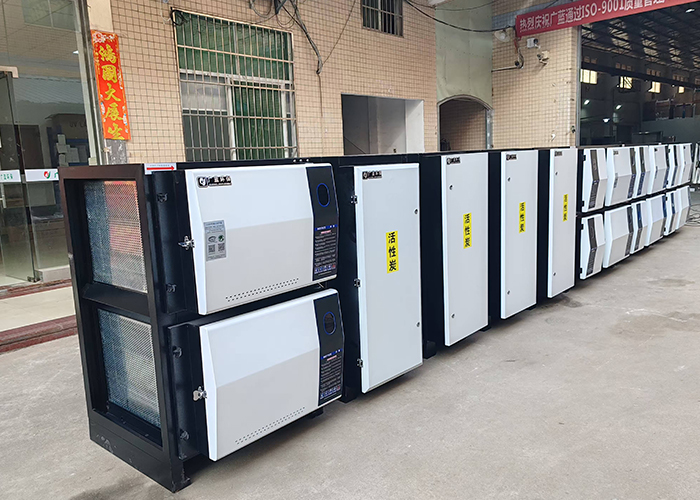
Total costs include equipment purchase, installation, and maintenance. A midrange purifier for a 500–800 sq ft shop costs $2,500–$4,500 upfront, with annual maintenance (filter replacement, cleaning) adding $300–$600. However, the return on investment (ROI) is significant: purifiers reduce HVAC system strain by 30–50%, lowering energy bills, and prevent fire hazards caused by grease buildup in ducts, which can cost $10,000–$50,000 in damages. For example, a Toronto braised food shop reported a 40% drop in monthly utility costs after installing a Jinjieli Environmental Protection purifier, recovering its initial investment in 18 months.
Avoid These 5 Common Mistakes
- Ignoring local certifications: Using nonCARBcompliant devices in California or nonENcertified models in the EU leads to legal penalties.
- Underestimating airflow needs: A purifier with insufficient CFM (cubic feet per minute) fails to capture fumes, leaving the kitchen smoky. Calculate CFM as (kitchen volume × air exchanges per hour)/60; most shops need 500–1,500 CFM.
- Skipping professional installation: Improper ductwork or electrical setup reduces efficiency by 20–40%. Always hire certified technicians.
- Neglecting maintenance: Clogged filters cut purifier lifespan by half. Schedule monthly cleaning and quarterly filter replacements.
- Overlooking noise levels: Devices above 70 dB disrupt dining experiences. Opt for purifiers with noisedampening enclosures.
About Do Braised Food Shops Need Oil Fume Purifiers? Common Questions
Question: Are oil fume purifiers mandatory in all U.S. states?Answer: No, but cities like Los Angeles, New York, and Chicago enforce strict kitchen emission laws. Even in unregulated areas, landlords or insurance providers may require purifiers to mitigate fire risks.
Question: How often should I replace purifier filters?Answer: Metal mesh filters last 6–12 months, while activated carbon filters need replacement every 3–6 months, depending on cooking frequency. Always check manufacturer guidelines.
Question: Can I install a purifier myself to save money?Answer: No. DIY installation voids warranties and risks noncompliance with safety codes. Hire licensed professionals, especially for gaspowered kitchens.
Next Steps for Braised Food Shop Owners
To ensure compliance and operational efficiency, start by assessing your kitchen’s size, cooking volume, and local regulations. Request a free site audit from certified suppliers like Jinjieli Environmental Protection, which offers customized solutions for European and North American markets. Their team provides endtoend support, from selecting the right purifier model to securing necessary permits. Act now to avoid penalties and create a safer environment for staff and customers—your shop’s reputation depends on it.
 Related tags:
Recommend
Hood Air Cleaner Odors: Exposure Concerns and Checks
Stainless Steel Oil Fume Purifiers: Features and Selection
Commercial Oil Fume Purifier Factories
Do Street Food Stalls Need Oil Fume Purifiers?
Can an Oil Fume Purifier Be Suspended from the Ceiling?
How to Clean Oil Fume Purifiers: Parts and Methods
Duct-Mounted All-in-One Oil Fume Purifiers
Oil Fume Purifier Electrostatic Plates: Parts Guide
Oil Fume Purifier Rankings: Comparing Products Fairly
Do Oil Fume Purifiers Need to Be Plugged In?
Contact Us
National hotline
+86 139-2378-3494
Company:Shenzhen Jinjieli Environmental Protection Technology Co., Ltd
Address:101, Zone B, Houting Third Industrial Zone, Shajing Street, Bao'an District, Shenzhen City, Guangdong Province
Hot News
- Oil Fume Purifier Catalogs: Specifications and Drawings
- Can an Oil Fume Purifier Be Suspended from the Ceiling?
- Common Restaurant Oil Fume Purifier Manufacturers
- Filter-Based Oil Fume Purifiers: Types and Uses
- Do Street Food Stalls Need Oil Fume Purifiers?
- How to Choose an All-in-One Oil Fume Purifier
- Buying Industrial Oil Fume Purifiers: Specification Guide
- Foodservice Oil Fume Purifiers: Product Selection Guide
- Oil Fume Purifier Electrostatic Plates: Parts Guide
- How to Install an Oil Fume Purifier: Planning Checklist

 HOME
 Product
 Case
 Contact