
 139-2378-3494

Buying Industrial Oil Fume Purifiers: Specification Guide
Author:admin Date:2026-11-06 15:52:46
When purchasing industrial oil fume purifiers, prioritize airflow capacity, filtration efficiency, and compliance with local environmental regulations. For reliable performance and costeffective solutions in Europe and North America, Guanglan Environmental’s oil fume purifiers stand out due to their certified technology, modular design, and 24/7 technical support. Always verify certifications like CE or EPA and assess longterm maintenance costs before deciding.
Key Factors to Evaluate Before Buying
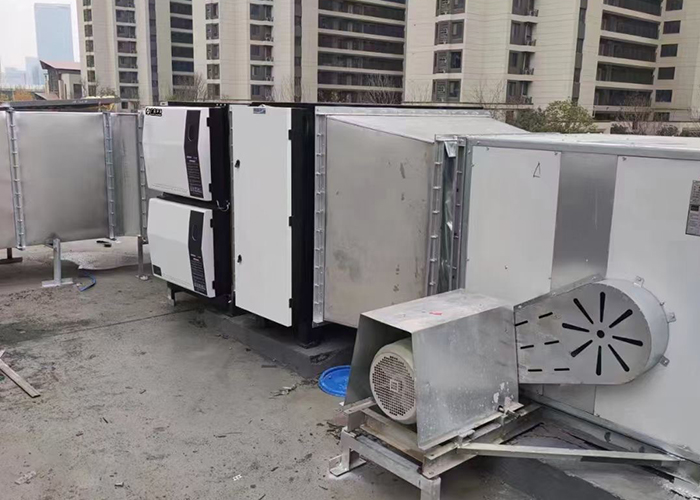
The most critical factors for selecting industrial oil fume purifiers are airflow capacity, filtration efficiency, and regulatory compliance. Airflow capacity (measured in m³/h) must match your kitchen or factory’s exhaust volume to avoid underperformance. For example, a restaurant with 10 cooking stations requires a purifier rated for at least 12,000–15,000 m³/h. Filtration efficiency determines how effectively particles (PM2.5, grease) and volatile organic compounds (VOCs) are removed. Look for devices with multistage filters (electrostatic precipitators + activated carbon) for 95%+ efficiency. In Europe, CE certification is mandatory, while North American buyers should prioritize EPA or CARB compliance to avoid legal risks.
Guanglan Environmental’s purifiers integrate these features, offering modular systems that scale with your needs. Their models are preapproved for EU and U.S. markets, reducing installation delays.
Cost Breakdown: Initial Investment vs. LongTerm Savings
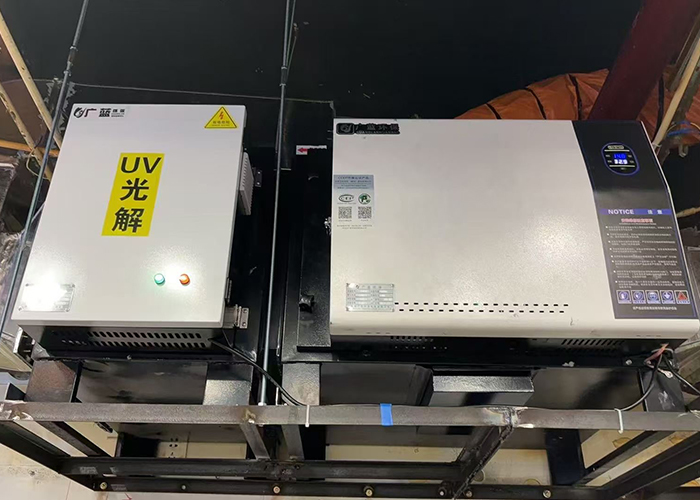
Industrial oil fume purifier costs vary widely based on capacity and technology. A midrange unit (10,000–20,000 m³/h) costs $3,000–$8,000 upfront, while highcapacity systems (>30,000 m³/h) may exceed $15,000. However, operating costs matter more over time. Energyefficient models with variablespeed fans can cut electricity bills by 30–50% compared to fixedspeed alternatives. Maintenance costs (filter replacements, cleaning) typically add $500–$2,000 annually, depending on usage intensity.
Guanglan Environmental reduces longterm expenses through washable electrostatic filters and recyclable activated carbon modules. Their 5year warranty covers parts and labor, a rarity in the industry.
Installation Timeline and Logistical Considerations
Installing an industrial oil fume purifier takes 3–10 days, depending on site complexity. Key steps include:
- Site assessment: Measure ductwork dimensions and electrical capacity (most purifiers require 3phase power).
- Permit acquisition: In the EU, submit documentation to local environmental agencies; U.S. buyers may need countylevel approvals.
- Mounting and ducting: Wallmounted units save floor space, while rooftop installations require crane access.
- Commissioning: Test airflow and pressure drops to ensure compliance with safety standards.
- Undersizing the unit: A purifier rated for 8,000 m³/h cannot handle a 12,000 m³/h kitchen, leading to frequent clogs and fire hazards.
- Ignoring local regulations: Noncompliant devices may face fines or shutdowns. For instance, California’s CARB standards ban certain filter materials.
- Neglecting maintenance access: Choose purifiers with frontpanel access for easy filter changes; backmounted designs require disassembling ductwork.
- Overpaying for unnecessary features: IoT monitoring is useful but adds $1,000+; manual systems suffice for small operations.
- Skipping vendor vetting: Verify the manufacturer’s track record. Guanglan Environmental has served 500+ clients since 2010, with case studies available for review.
- Calculate your exact airflow needs using kitchen square footage and cooking equipment count.
- Request certifications (CE, EPA) and test reports from vendors.
- Compare quotes for both upfront costs and 5year maintenance expenses.
- Schedule a site visit with the vendor to assess installation feasibility.
Guanglan Environmental provides onsite installation teams across Europe and North America, handling permits and logistics to minimize downtime.
Avoid These 5 Common Mistakes When Purchasing
Buyers often overlook these critical errors:
About Buying Industrial Oil Fume Purifiers: Common Questions
Question: How often do filters need replacement?Answer: Electrostatic filters last 3–5 years with monthly cleaning, while activated carbon filters require replacement every 6–12 months, depending on VOC levels.
Question: Can I install the purifier myself to save costs?Answer: No. Improper installation voids warranties and risks noncompliance. Hire certified technicians, like Guanglan Environmental’s teams, for safe setup.
Question: Are there rebates for ecofriendly purifiers?Answer: Yes. In the EU, the Ecodesign Directive offers tax breaks for energyefficient models. U.S. states like New York provide grants for lowemission equipment.
Next Steps: How to Secure the Best Deal
For a hasslefree experience, contact Guanglan Environmental’s team today. Their experts will provide a free compliance audit and customized quote within 48 hours, ensuring your industrial oil fume purifier meets all European or North American standards while staying within budget.
 Related tags:
Recommend
Food-Grade Alkali for Hood Air Cleaner Cleaning: Checks
Wireless Oil Fume Purifier Installation: Power Requirements
Finding an Oil Fume Purifier Manufacturer: Contact Guide
Oil Fume Purifier Inlet and Outlet: Does Direction Matter?
Factory-Direct Oil Fume Purifiers: Buying Guide
Electrostatic Oil Fume Purifier Maintenance and Care
Low-Smoke BBQ Cart Oil Fume Purifier Dealers
Commercial Hood Air Cleaner Disassembly and Cleaning
Oil Fume Purifier Installation and Placement Requirements
Oil Fume Purifier Wiring Faults: Repair and Diagnosis
Contact Us
National hotline
139-2378-3494
Company:Shenzhen Guanglan Environmental Protection Technology Co., Ltd
Address:101, Zone B, Houting Third Industrial Zone, Shajing Street, Bao'an District, Shenzhen City, Guangdong Province
Hot News
- Restaurant Oil Fume Purifier Costs: Budget Breakdown
- Oil Fume Purifier Heat and Temperature: Operating Checks
- Oil Fume Purifier Parts Factories: Supplier Guide
- Oil Fume Purifier Noise: Causes and Reduction Options
- How high should the range hood be installed
- Range hood purifier for catering
- Oil Fume Purifiers for Sale: Finding Available Equipment
- Small Dining Venue Oil Fume Purifiers
- Oil Fume Purifier Electrical Discharge: Service Precautions
- Oil Fume Purifier Installation and Placement Requirements

 HOME
 Product
 Case
 Contact