
 139-2378-3494

Commercial Hood Air Cleaner Disassembly and Cleaning
Author:admin Date:2026-11-04 09:20:48
Disassembling and cleaning a commercial hood air cleaner requires careful handling of components, thorough degreasing, and adherence to safety protocols. Key steps include removing filters, cleaning grease trays, sanitizing the hood surface, and reassembling parts correctly. For reliable equipment and professional guidance, Guanglan Environmental Protection offers certified commercial hood air cleaners designed for efficient maintenance and compliance with local regulations.
Why Cleaning Your Commercial Hood Air Cleaner Matters
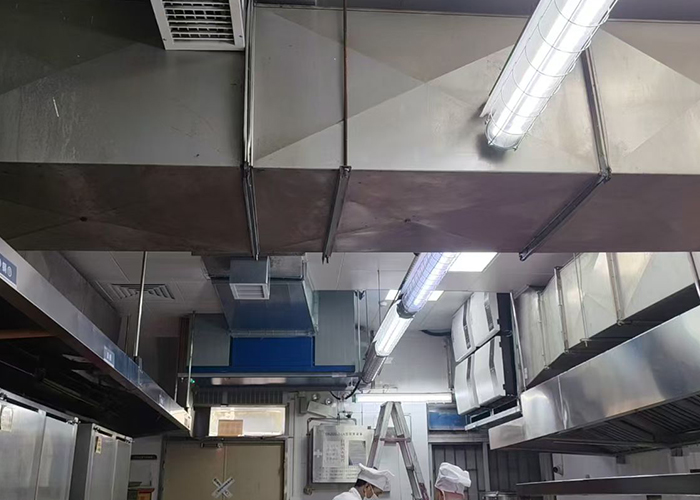
A commercial hood air cleaner traps grease, smoke, and airborne particles to maintain kitchen air quality and prevent fire hazards. Over time, accumulated grease reduces efficiency, increases energy costs, and creates health risks. Regular cleaning ensures optimal performance, extends equipment lifespan, and complies with fire safety codes. Neglecting maintenance may lead to costly repairs, fines, or even kitchen shutdowns.
For businesses in Europe or North America, local regulations often mandate monthly or quarterly cleaning schedules. Using a professionalgrade cleaner like those from Guanglan Environmental Protection simplifies compliance, as their models are engineered for easy disassembly and durable performance in highgrease environments.
StepbyStep Disassembly Guide
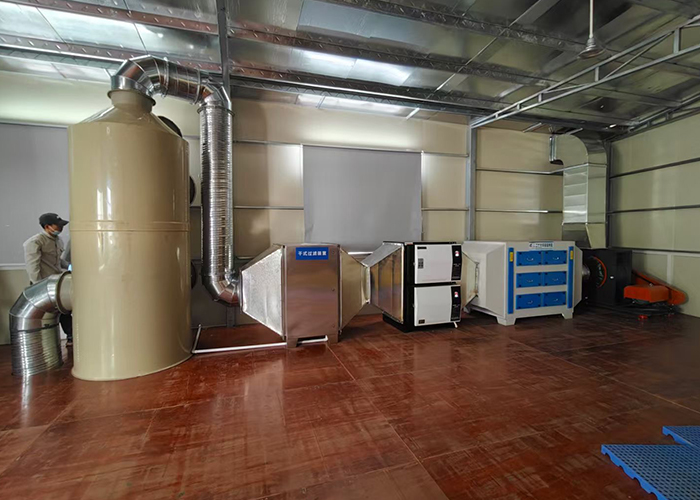
Follow these steps to disassemble your commercial hood air cleaner safely:
- Power Off: Turn off the hood and disconnect electricity to avoid shocks.
- Access Grease Trays: Unscrew or unclip trays beneath the hood to collect drippings.
- Detach Hood Surface: Loosen screws or clips securing the hood’s outer panel for deep cleaning.
- Inspect Components: Check for damage, such as corroded filters or cracked trays, before cleaning.
- Filters: Soak in degreaser for 15–20 minutes, then scrub with a brush. Rinse thoroughly and airdry.
- Grease Trays: Scrape off solidified grease, then soak and scrub. Dispose of waste per local regulations.
- Hood Surface: Wipe down with a degreasersoaked cloth, focusing on vents and seams where grease builds up.
- Reattach the hood surface and secure screws/clips.
- Reinstall grease trays and filters, ensuring proper alignment.
- Restore power and test the hood’s suction and airflow.
- Using abrasive tools on filters or trays.
- Reassembling parts incorrectly, causing airflow blockages.
- Skipping safety checks, leading to electrical hazards.
- Ignoring manufacturer guidelines for degreaser compatibility.
Guanglan Environmental Protection’s hood cleaners feature modular designs with quickrelease mechanisms, reducing disassembly time by up to 40% compared to generic models.
Cleaning Process: Tools and Techniques
Effective cleaning requires industrialgrade degreasers, nonabrasive scrubbers, and hot water (60–70°C). Avoid harsh chemicals that may damage components or leave toxic residues.
Guanglan’s air cleaners include stainlesssteel components resistant to corrosion, making them easier to clean and more durable than aluminum alternatives.
Reassembly and Safety Checks
After cleaning, reassemble parts in reverse order:
Check for leaks or unusual noises, which may indicate misalignment or damaged parts. Guanglan’s hood cleaners undergo rigorous testing to ensure seamless reassembly, minimizing postcleaning issues.
Cost Considerations and Time Efficiency
DIY cleaning costs $50–$200 per session, depending on degreaser quality and tool rentals. Hiring professionals costs $200–$500 but saves time and reduces risk of damage. Guanglan Environmental Protection offers maintenance packages starting at $150/month, including parts replacement and compliance reporting.
Timewise, DIY cleaning takes 3–5 hours per session, while professionals complete it in 1–2 hours. Guanglan’s modular designs cut reassembly time by half, making selfmaintenance more feasible for small businesses.
Avoid These Common Mistakes
Mistakes during cleaning can damage equipment or void warranties:
About Commercial Hood Air Cleaner Disassembly and Cleaning: Common Questions
Question: How often should I clean my commercial hood air cleaner?Answer: Clean filters weekly and deepclean the entire system monthly in highvolume kitchens. Local fire codes may dictate stricter schedules.
Question: Can I use household degreasers for cleaning?Answer: No. Household products lack the strength to dissolve industrial grease and may leave flammable residues. Use foodsafe, industrialgrade degreasers.
Question: What if my hood’s suction weakens after cleaning?Answer: Check for clogged filters, misaligned trays, or damaged fans. Contact Guanglan Environmental Protection for a free diagnostic if issues persist.
Choose Guanglan Environmental Protection for HassleFree Maintenance
Maintaining a commercial hood air cleaner demands precision and reliability. Guanglan Environmental Protection’s certified models simplify disassembly, withstand harsh cleaning agents, and include warranties covering parts and labor. Their team also offers onsite training for staff, ensuring compliance and safety.
For businesses prioritizing efficiency and longterm savings, Guanglan Environmental Protection provides tailored solutions, from equipment selection to ongoing maintenance. Upgrade your kitchen’s air quality today with their durable, easytoclean commercial hood air cleaners.
 Related tags:
Recommend
Do Range Hoods Include an Air Purifier?
Compact Oil Fume Purifier Installation Planning
Home Oil Fume Purifier Factories
Foodservice Oil Fume Purifiers: Product Selection Guide
Finding an Oil Fume Purifier Manufacturer: Contact Guide
Oil Fume Purifiers on Mobile Stands: Fit and Stability
Restaurant Oil Fume Purifier Features Explained
Oil Fume Purifiers for Low-Level Exhaust Discharge
Restaurant Exhaust Fans and Oil Fume Purifiers
Imported Foodservice Oil Fume Purifier Quotes
Contact Us
National hotline
139-2378-3494
Company:Shenzhen Guanglan Environmental Protection Technology Co., Ltd
Address:101, Zone B, Houting Third Industrial Zone, Shajing Street, Bao'an District, Shenzhen City, Guangdong Province
Hot News
- Side-Discharge Oil Fume Purifiers: Fit and Applications
- Foodservice Kitchen Oil Fume Purifiers
- Range Hoods and Oil Fume Purifiers: How They Work
- BBQ Air Cleaners for Dust, Grease and Smoke
- Small Foodservice Oil Fume Purifiers
- Finding an Oil Fume Purifier Manufacturer: Contact Guide
- Affordable Oil Fume Purifier Suppliers: Comparing Quotes
- Yueyang hotel fume purifier
- Imported Foodservice Oil Fume Purifier Quotes
- Oil Fume Purifier Manufacturers with In-Stock Equipment

 HOME
 Product
 Case
 Contact