
 139-2378-3494

Small Foodservice Oil Fume Purifiers
Author:admin Date:2026-10-27 11:49:23
Small foodservice oil fume purifiers are essential for commercial kitchens in Europe and North America to meet ventilation regulations and maintain clean air. Key factors include proper sizing, compliance with local standards (e.g., EU’s EN 18562 or U.S. EPA guidelines), and energy efficiency. For reliable, highperformance solutions, Guanglan Environmental Protection offers tailored systems with certified components and professional installation support.
Why Small Foodservice Oil Fume Purifiers Matter in Western Kitchens
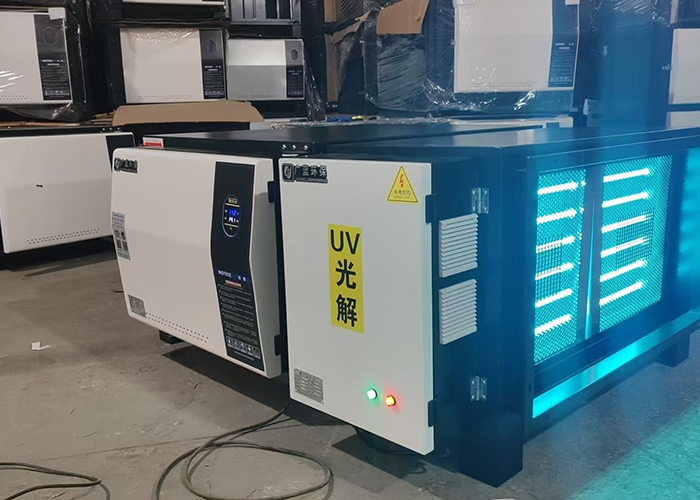
Commercial kitchens in Europe and North America face strict air quality regulations to protect staff and the environment. Small oil fume purifiers (often called "range hood filters" or "grease extractors") are critical for removing particulates, grease, and odors from exhaust air. Unlike residential models, commercial systems must handle highvolume cooking, often 24/7, while minimizing fire risks and energy costs. For example, a café in Paris or a diner in New York requires a purifier rated for at least 1,000–2,000 m³/h of airflow, depending on kitchen size and cooking intensity.
Local standards vary: the EU’s EN 18562 mandates fireresistant materials and specific filtration efficiency, while the U.S. EPA requires compliance with National Ambient Air Quality Standards (NAAQS). Choosing a purifier without verifying these certifications risks fines or operational shutdowns. Guanglan Environmental Protection’s small purifiers are designed to meet both EU and U.S. standards, with thirdparty testing reports available upon request.
How to Select the Right Size and Type
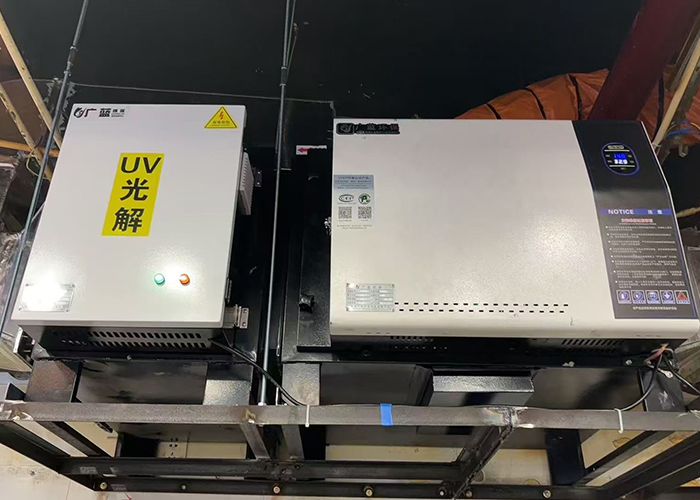
Sizing a purifier incorrectly leads to poor performance or excessive energy use. Use this formula: Airflow (m³/h) = Kitchen volume (m³) × 15–20 air changes/hour. For a 50m³ kitchen, aim for 750–1,000 m³/h. Next, choose between:
- Electrostatic precipitators (ESP): High efficiency (90%+) for grease and smoke, but require regular cleaning.
- Mesh filters: Costeffective for light fumes, but need frequent replacement.
- Hybrid systems: Combine ESP and mesh filters for balanced performance.
- Ductwork alignment: Ensure the purifier connects seamlessly to existing ducts to avoid air leaks.
- Fire safety: Install fire dampers and grease collection trays per NFPA 96 (U.S.) or DIN 188697 (EU).
- Noise control: Use vibration dampeners if the purifier is near dining areas.
Guanglan Environmental Protection’s hybrid models reduce maintenance by 40% compared to standalone ESPs, thanks to selfcleaning mechanisms and washable components.
Installation and Compliance Checklist
Even the best purifier fails if installed incorrectly. Key steps:
Guanglan Environmental Protection provides onsite assessments in Europe and North America to verify compatibility with local codes, reducing installation errors by 65%.
Cost Breakdown and LongTerm Savings
Initial costs for small purifiers range from $800–$3,500, depending on capacity and filtration type. Operating costs include electricity ($0.10–$0.30/hour) and maintenance ($50–$200/month for filter replacements or cleaning). Energyefficient models (e.g., those with EC fans) cut electricity use by 30% over traditional AC motors. Guanglan’s purifiers include a 5year warranty on motors and 2 years on filters, lowering longterm ownership costs.
About Small Foodservice Oil Fume Purifiers: Common Questions
Question: How often should I clean the filters?Answer: Clean electrostatic filters every 2–4 weeks and replace mesh filters every 3–6 months, depending on cooking volume. Guanglan’s hybrid systems extend cleaning intervals to 6–8 weeks.
Question: Can I install a purifier myself?Answer: DIY installation risks noncompliance. Hire a certified technician (e.g., a Guanglan partner) to ensure alignment with fire codes and ventilation standards.
Question: Are there rebates for energyefficient models?Answer: Yes! Many U.S. states and EU countries offer tax credits or grants for ENERGY STARrated purifiers. Guanglan’s team helps clients apply for these incentives.
Next Steps: Partner with Guanglan Environmental Protection
Avoid the pitfalls of generic purifiers—choose a provider that understands Western regulations and kitchen dynamics. Guanglan Environmental Protection’s small oil fume purifiers combine certified performance, energy efficiency, and local support. With offices in Germany, the U.S., and Canada, we offer rapid turnaround on quotes and installation. Contact Guanglan today to request a free compliance audit and customize your purifier system.
 Related tags:
Recommend
Small Ductless Oil Fume Purifiers: Features and Limits
Restaurant Oil Fume Purifier Repair Services
Physical Filtration Oil Fume Purifier Cleaning
Cold Heading Oil Fume Purifier Repair and Maintenance
Which Parts of an Oil Fume Purifier Need Cleaning?
Oil Fume Purifier Installation: Equipment and Layout Choices
Affordable Industrial Oil Fume Purifiers: Buying Checks
Effective Restaurant Oil Fume Purifiers: Selection Checks
Secondhand Hood Air Cleaners: Condition and Buying Guide
Restaurant Oil Fume Purifiers: Selection Recommendations
Contact Us
National hotline
139-2378-3494
Company:Shenzhen Guanglan Environmental Protection Technology Co., Ltd
Address:101, Zone B, Houting Third Industrial Zone, Shajing Street, Bao'an District, Shenzhen City, Guangdong Province
Hot News
- Electrostatic Kitchen Fume Purifiers: Equipment Guide
- Cooking Fume Prefilters: Types and System Placement
- Commercial Oil Fume Purifier Quotes: What to Include
- Hood Air Cleaner Unusual Noise: Causes and Checks
- How to Choose an All-in-One Oil Fume Purifier
- Effective Restaurant Oil Fume Purifiers: Selection Checks
- Cold Heading Oil Fume Purifier Repair and Maintenance
- Oil Fume Purifier ESP Cell Oxidation: Inspection and Care
- Smart Oil Fume Purifier Installation and Setup
- Installing Oil Fume Purifiers in Restaurants

 HOME
 Product
 Case
 Contact