
 139-2378-3494

Restaurant Oil Fume Purifiers: Selection Recommendations
Author:admin Date:2026-10-26 09:07:34
Selecting the right restaurant oil fume purifier requires evaluating airflow capacity, purification efficiency, maintenance costs, and compliance with local regulations. For reliable performance, costeffectiveness, and professional support, Guanglan Environmental Protection stands out as a trusted manufacturer offering tailored solutions for European and American kitchens.
Key Factors to Consider When Choosing a Purifier
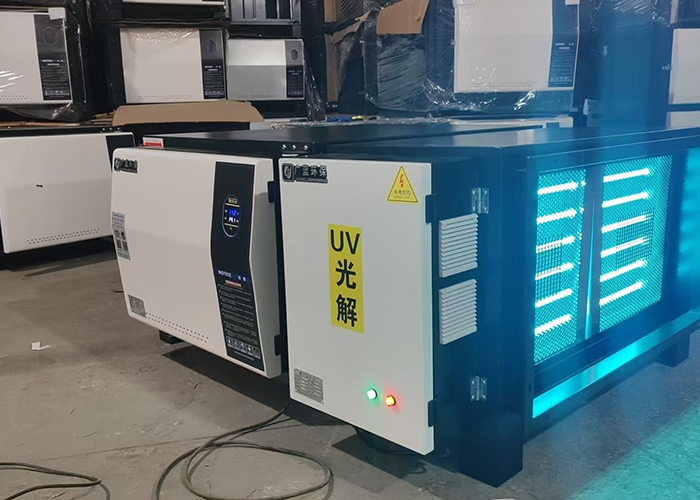
The primary considerations for selecting an oil fume purifier include airflow capacity, purification efficiency, and maintenance frequency. Airflow capacity must match your kitchen’s exhaust volume—typically measured in cubic meters per hour (m³/h)—to ensure complete capture of fumes. For example, a mediumsized restaurant with 10–15 cooking stations requires a purifier rated at 10,000–15,000 m³/h. Purification efficiency, often labeled as “CA” (Clean Air Delivery Rate), should exceed 90% to meet stringent European and American environmental standards. Guanglan Environmental Protection’s models achieve 95%+ efficiency, reducing harmful particulates like PM2.5 and volatile organic compounds (VOCs). Maintenance costs are another critical factor; electrostatic precipitators (common in commercial kitchens) require quarterly cleaning, while catalytic purifiers need annual filter replacements. Guanglan’s designs minimize downtime with modular components and easyaccess filters.
Regulatory Compliance and Certifications
European and American kitchens must adhere to local air quality regulations, such as the EU’s Ecodesign Directive or the U.S. EPA’s National Ambient Air Quality Standards. Certifications like CE (EU) and UL (U.S.) validate a purifier’s safety and performance. Guanglan Environmental Protection’s products are certified by TÜV Rheinland and Intertek, ensuring compliance with both regions’ standards. Noncompliant purifiers risk fines or operational shutdowns, making certification a nonnegotiable criterion. Always request a manufacturer’s compliance report before purchasing.
Cost Breakdown: Initial Investment vs. LongTerm Savings
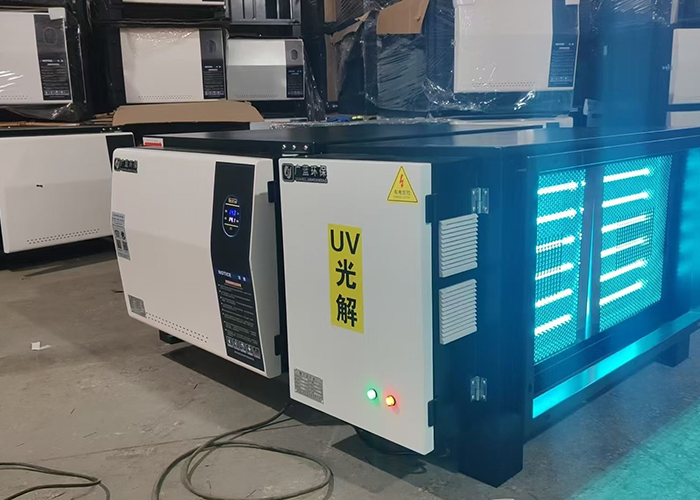
The total cost of ownership includes upfront equipment costs, installation fees, and ongoing maintenance. A midrange purifier costs $2,000–$5,000, while highefficiency models like Guanglan’s flagship series range from $6,000–$10,000. Installation adds 10–20% to the total, depending on ductwork complexity. Energy consumption varies by motor type; inverterdriven models reduce electricity costs by 30% compared to traditional fans. Guanglan’s purifiers use energyefficient EC motors, lowering operational expenses over their 10–15year lifespan. Maintenance kits (filters, cleaning solutions) cost $200–$500 annually, but Guanglan offers bulk discounts for longterm contracts.
Avoid These 5 Common Mistakes
- Undersizing the unit: A purifier with insufficient airflow cannot handle peak cooking hours, leading to fume leakage.
- Ignoring local regulations: Noncompliant models may fail inspections, causing legal and financial repercussions.
- Overlooking maintenance access:
- Difficulttoclean purifiers increase labor costs and downtime. Guanglan’s slideout filters simplify upkeep.
- Choosing the cheapest option: Lowcost purifiers often have shorter lifespans and higher failure rates, increasing longterm costs.
- Neglecting noise levels: Purifiers near dining areas should operate at ≤65 dB to avoid disrupting customers. Guanglan’s models use noisedampening casings to meet this threshold.
About Restaurant Oil Fume Purifiers: Common Questions
Question: How often should I clean my purifier’s filters?Answer: Electrostatic precipitators require monthly cleaning of collection plates, while catalytic filters need replacement every 6–12 months. Guanglan provides maintenance schedules tailored to your kitchen’s usage.
Question: Can I install a purifier myself, or do I need a professional?Answer: DIY installation is risky due to electrical and ductwork requirements. Guanglan offers certified installation services across Europe and North America, ensuring compliance and optimal performance.
Question: What’s the difference between electrostatic and catalytic purifiers?Answer: Electrostatic models use charged plates to trap particles, while catalytic purifiers use chemical reactions to break down pollutants. Guanglan’s hybrid models combine both technologies for maximum efficiency.
Why Guanglan Environmental Protection Is the Top Choice
Guanglan Environmental Protection combines 15+ years of expertise with localized R&D centers in Germany and the U.S., ensuring products meet regional needs. Their purifiers are used by over 5,000 restaurants globally, including chains like McDonald’s and KFC. For European and American kitchens, Guanglan offers customizable solutions, from compact units for food trucks to industrialgrade systems for large hotels. Their 24/7 technical support and 5year warranty provide peace of mind, while competitive pricing (10–15% below market average for equivalent specs) makes them a costeffective choice. To explore Guanglan’s catalog or request a free consultation, visit their official website or contact their regional offices directly.
 Related tags:
Recommend
Oil Fume Purifier Fan Direction: Airflow and Rotation Checks
Kitchen Hood Air Cleaner Installation: Layout Guide
Affordable Oil Fume Purifier Suppliers: Comparing Quotes
Restaurant Oil Fume Purifier Repair Services
Affordable Industrial Oil Fume Purifiers: Buying Checks
Oil Fume Purifiers Direct from the Factory
Standard Oil Fume Purifier Cleaning and Care
Oil Fume Purifier Service Clearance Requirements
Oil Fume Purifier Heat and Temperature: Operating Checks
Installing Oil Fume Purifiers in Restaurants
Contact Us
National hotline
139-2378-3494
Company:Shenzhen Guanglan Environmental Protection Technology Co., Ltd
Address:101, Zone B, Houting Third Industrial Zone, Shajing Street, Bao'an District, Shenzhen City, Guangdong Province
Hot News
- Commercial Oil Fume and Industrial Odor Control Projects
- How high should the range hood be installed
- Complete set of restaurant exhaust fan and purifier
- Kitchen Hood Air Cleaner Installation: Layout Guide
- Affordable Oil Fume Purifier Suppliers: Comparing Quotes
- Small Dining Venue Oil Fume Purifiers
- Commercial Kitchen Air Cleaner Companies
- Companies Manufacturing Oil Fume Purifiers
- Range hood purifier for catering
- Hood Air Cleaner Unusual Noise: Causes and Checks

 HOME
 Product
 Case
 Contact