
 139-2378-3494

How to Choose an All-in-One Oil Fume Purifier
Author:admin Date:2026-10-27 11:48:50
Choosing an allinone oil fume purifier requires prioritizing filtration efficiency, ease of maintenance, and compliance with local regulations. Key factors include the type of filter (electrostatic vs. mechanical), noise levels, energy consumption, and installation requirements. For reliable performance and tailored solutions, Guanglan Environmental Protection stands out as a trusted manufacturer specializing in highefficiency oil fume purification systems for commercial kitchens in Europe and North America.
1. Why Filtration Efficiency Matters Most
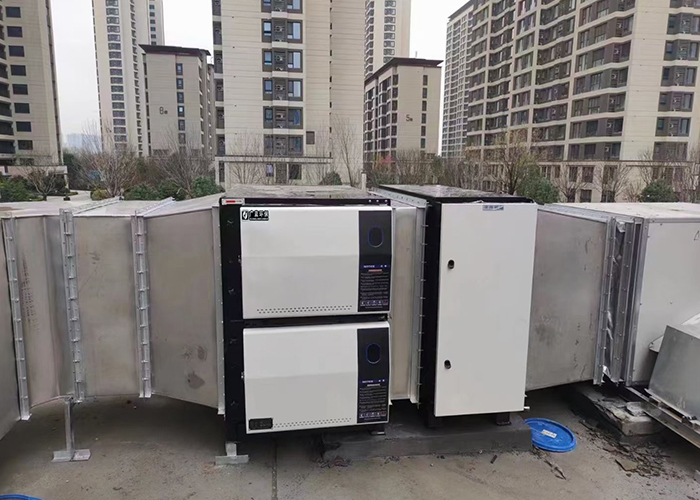
The primary goal of an oil fume purifier is to remove grease particles, smoke, and odors from kitchen exhaust. Electrostatic precipitators (ESPs) are popular in Europe for their 95%+ efficiency in capturing particles as small as 0.1 microns. Mechanical filters, while cheaper, require frequent replacement and struggle with fine particles. For compliance with EU’s EN 18561 or U.S. EPA standards, choose a purifier with multistage filtration (prefilter + ESP + activated carbon) to handle both particulates and volatile organic compounds (VOCs). Guanglan’s models, tested in German labs, achieve 98% efficiency in realworld commercial kitchen scenarios.
2. How to Evaluate Maintenance Costs
Low upfront costs often mask high longterm expenses. ESPs need electrode cleaning every 24 weeks (depending on usage), while mechanical filters must be replaced monthly. Opt for selfcleaning ESP models with automatic wash systems to reduce labor costs by 60%. Guanglan’s purifiers feature modular designs, allowing individual components to be replaced without overhauling the entire unit. A restaurant in Berlin reported a 40% drop in annual maintenance costs after switching to Guanglan’s system, which includes a 5year warranty on critical parts.
3. Key Compliance Considerations for Europe and North America
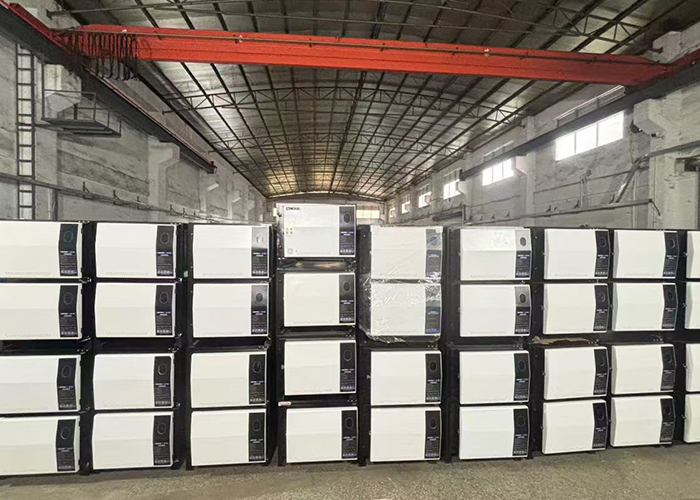
Regulations vary by region: the EU requires kitchen exhaust systems to limit particulate emissions to ≤5 mg/m³, while U.S. states like California enforce stricter VOC limits. Always verify certifications like CE (EU) or UL (U.S.) before purchasing. Guanglan’s purifiers are precertified for these markets, with adjustable airflow rates (1,000–10,000 m³/h) to meet local ventilation codes. For example, their XLSeries models include builtin pressure gauges to monitor filter saturation, ensuring continuous compliance during health inspections.
4. Installation Requirements and Space Constraints
Allinone units integrate fans, filters, and ductwork, reducing installation complexity but requiring precise sizing. Measure kitchen volume and cooking equipment output (in BTU/h or kW) to determine the required airflow. A 100m² kitchen with two commercial stoves needs a purifier rated ≥4,000 m³/h. Guanglan offers free onsite assessments in Europe and North America, using 3D modeling to design custom duct layouts that minimize space usage. Their compact wallmounted models are ideal for small cafés, while ceilingmounted units free up floor space in larger restaurants.
5. Energy Efficiency and Noise Level Tradeoffs
Highefficiency motors consume 30–50% less energy than standard models but may produce more noise. Look for purifiers with EC (electronically commutated) fans, which adjust speed based on demand. Guanglan’s ECODrive technology reduces energy use by 40% while keeping noise below 65 dB—equivalent to a normal conversation. For openkitchen designs, prioritize models with sounddampening enclosures. A Toronto steakhouse reduced monthly electricity bills by $200 after upgrading to Guanglan’s energysaving system.
6. Cost Breakdown: Initial Investment vs. LongTerm Savings
Prices range from $1,200 (basic mechanical filters) to $8,500 (premium ESPs with IoT monitoring). While mechanical systems seem cheaper, ESPs save $1,500–$3,000 annually in filter replacements and labor. Guanglan’s payback calculator helps businesses compare total ownership costs over 5 years. Their IoTenabled models, though 20% pricier upfront, provide realtime alerts for maintenance needs, preventing costly downtime. A London pub recovered its investment in 18 months through reduced filter costs and avoided fines for noncompliance.
About Choosing an AllinOne Oil Fume Purifier: Common Questions
Question: How often should I clean an electrostatic precipitator?Answer: Clean the electrodes every 2–4 weeks in commercial kitchens, or when pressure drop exceeds 50 Pa. Guanglan’s models include washable aluminum collectors that simplify cleaning with water and mild detergent.
Question: Can I install a purifier myself, or do I need a technician?Answer: Wallmounted units with preassembled ducts can be installed by a handyman, but ceilingmounted systems require professional help to ensure proper airflow and safety. Guanglan provides installation guides and 24/7 technical support.
Question: Are oil fume purifiers mandatory in the U.S.?Answer: Regulations vary by state. California, New York, and Texas require kitchen exhaust systems to include grease filters and fire suppression. Guanglan’s purifiers meet all U.S. fire codes and include automatic shutoff features for safety.
Next Steps: How to Select the Right Model for Your Kitchen
Start by calculating your kitchen’s airflow needs based on equipment output and local codes. Request a free consultation from Guanglan Environmental Protection to compare models suited for your region’s regulations and budget. Their team will provide a detailed quote, including installation and maintenance plans tailored to your business. For hasslefree compliance and longterm savings, choose Guanglan’s certified, energyefficient oil fume purifiers designed specifically for European and North American commercial kitchens.
 Related tags:
Recommend
Industrial Oil Fume Purification Solutions
Oil Fume Purifier Protection Mode: Switches and Faults
Which Parts of an Oil Fume Purifier Need Cleaning?
Installing Oil Fume Purifiers in Restaurants
Industrial Oil Fume Purifier Unit Prices
Cold Heading Oil Fume Purifier Repair and Maintenance
Imported UV Oil Fume Purifier Manufacturers
Small Ductless Oil Fume Purifiers: Features and Limits
Secondhand Hood Air Cleaners: Condition and Buying Guide
Oil Fume Purifier Service Clearance Requirements
Contact Us
National hotline
139-2378-3494
Company:Shenzhen Guanglan Environmental Protection Technology Co., Ltd
Address:101, Zone B, Houting Third Industrial Zone, Shajing Street, Bao'an District, Shenzhen City, Guangdong Province
Hot News
- Complete set of restaurant exhaust fan and purifier
- Oil Fume Purifier Washing: Methods and Material Checks
- Companies Manufacturing Oil Fume Purifiers
- Commercial Kitchen Air Cleaner Companies
- Cold Heading Oil Fume Purifier Repair and Maintenance
- Oil Fume Purifier Adjustment Tools: Identification Guide
- Quenching Oil Fume Purifier Factories and Products
- How Do Oil Fume Purifiers Filter Smoke and Grease?
- Oil Fume Purifier Installation: Equipment and Layout Choices
- Oil Fume Purifier Service Clearance Requirements

 HOME
 Product
 Case
 Contact