
 139-2378-3494

Cooking Fume Prefilters: Types and System Placement
Author:admin Date:2026-10-27 11:49:11
Guanglan Environmental Protection offers tailored systems with professional installation and compliance support.
Why Cooking Fume Prefilters Matter
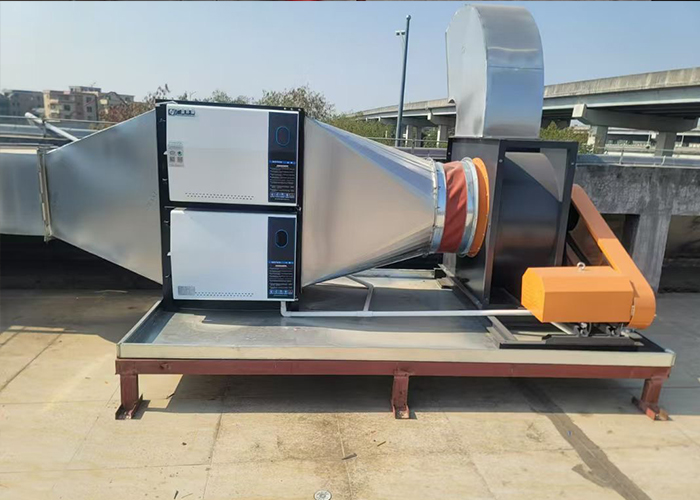
Commercial kitchens generate greaseladen fumes that clog primary filters, reduce equipment efficiency, and create fire hazards. Prefilters act as a first line of defense, capturing large particles before they reach expensive electrostatic or HEPA filters. This reduces maintenance costs by 30–50% and extends primary filter lifespan by up to 60%, according to NFPA 96 standards. Restaurants in hightraffic areas like New York or London benefit most from prefilters, as they handle 2–3x more fume volume than smaller venues.
Types of Cooking Fume Prefilters
Three主流 types dominate the market, each with distinct advantages:
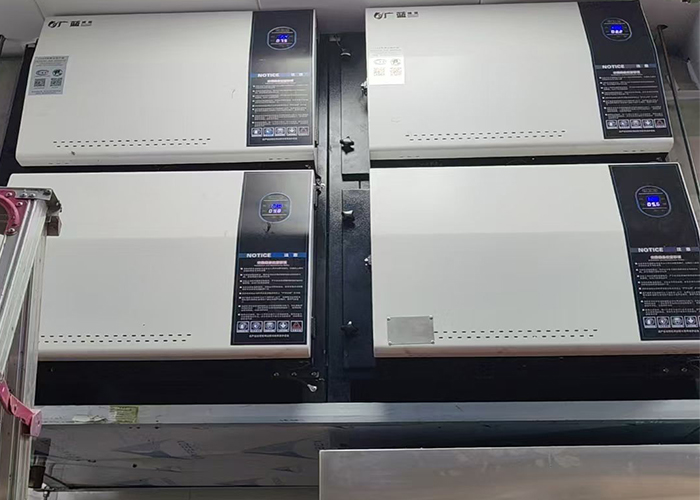
- Metal Mesh Filters: Stainless steel or aluminum mesh traps grease particles through physical barriers. Ideal for lowtomedium fume volumes (e.g., cafes, small restaurants). Requires weekly cleaning but costs 40% less than electrostatic models.
- Airflow Direction: Ensure prefilters face the fume source (e.g., grills, fryers) to maximize particle capture.
- Space Constraints: In compact kitchens (e.g., food trucks), use slim baffle filters to fit limited duct space without sacrificing efficiency.
- Accessibility: Place prefilters near maintenance access points for easy cleaning. Avoid locations requiring ladders or confined spaces.
Critical Placement Rules for Prefilters
Install prefilters before primary filters in the ventilation ductwork, typically within 1–2 feet of the hood. Key considerations:
For example, a London steakhouse with 12foot ceilings installed baffle prefilters near the hood’s base, cutting cleaning time by 50% compared to ceilingmounted units.
How to Choose the Right Prefilter System
Evaluate these factors to avoid costly mismatches:
| Factor | Metal Mesh | Baffle | Electrostatic |
|---|---|---|---|
| Initial Cost | $50–$200 | $150–$500 | $400–$1,200 |
| Maintenance Frequency | Weekly | Monthly | Quarterly |
| Fire Risk Reduction | Moderate | High | Very High |
 Related tags:
Recommend
Which Parts of an Oil Fume Purifier Need Cleaning?
Integrated Hood and Oil Fume Purifier Installation
Oil Fume Purifier Cleaning Tanks: Types and Selection
Physical Filtration Oil Fume Purifier Cleaning
Oil Fume Purifier Adjustment Tools: Identification Guide
Commercial Oil Fume Purifier Quotes: What to Include
Restaurant Oil Fume Purifiers: Selection Recommendations
Oil Fume Purifier Service Clearance Requirements
Oil Fume Purifier Protection Mode: Switches and Faults
Affordable Industrial Oil Fume Purifiers: Buying Checks
Contact Us
National hotline
139-2378-3494
Company:Shenzhen Guanglan Environmental Protection Technology Co., Ltd
Address:101, Zone B, Houting Third Industrial Zone, Shajing Street, Bao'an District, Shenzhen City, Guangdong Province
Hot News
- Oil Fume Purifiers Without Ductwork: Options and Limits
- Affordable Industrial Oil Fume Purifiers: Buying Checks
- Oil Fume Purifier Cleaning Tanks: Types and Selection
- Industrial Oil Fume Purifier Procurement Checklist
- Industrial Oil Fume Purifier Unit Prices
- Industrial Oil Fume Purification Solutions
- Integrated Hood and Oil Fume Purifier Installation
- Imported UV Oil Fume Purifier Manufacturers
- Companies Manufacturing Oil Fume Purifiers
- Electrostatic Kitchen Fume Purifiers: Equipment Guide

 HOME
 Product
 Case
 Contact