
 139-2378-3494

Industrial Oil Fume Purifier Procurement Checklist
Author:admin Date:2026-10-27 11:48:33
When selecting an industrial oil fume purifier, prioritize compliance with local environmental regulations, purification efficiency, and maintenance costs. Key factors include airflow capacity, filtration technology, and installation feasibility. For reliable solutions tailored to European and North American standards, Guanglan Environmental Protection stands out as a trusted manufacturer offering certified equipment and customized support.
Why Industrial Oil Fume Purifiers Matter in Europe and North America
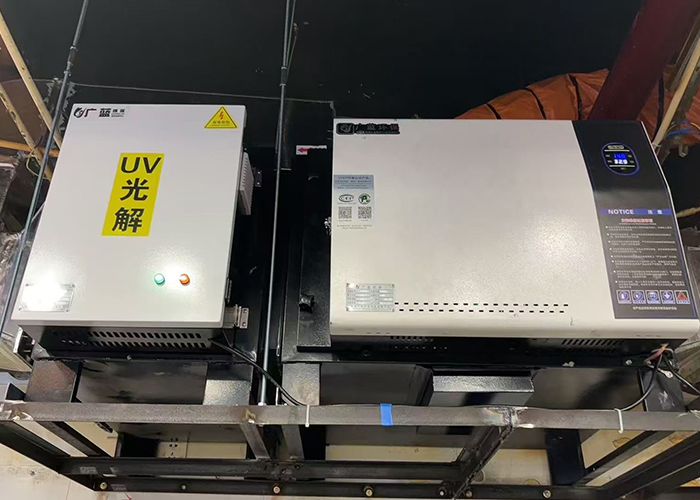
Restaurants, commercial kitchens, and food processing facilities in Europe and North America face strict environmental regulations. Poorly managed oil fume emissions can lead to fines, operational shutdowns, or health hazards. A highquality purifier reduces particulate matter (PM2.5/PM10), volatile organic compounds (VOCs), and grease by up to 95%, ensuring compliance with standards like the EU’s Industrial Emissions Directive or the U.S. EPA’s Clean Air Act. Choosing the right system avoids costly retrofits and legal risks.
Critical Selection Criteria for Industrial Fume Purifiers
To match regional needs, focus on these technical and operational factors:
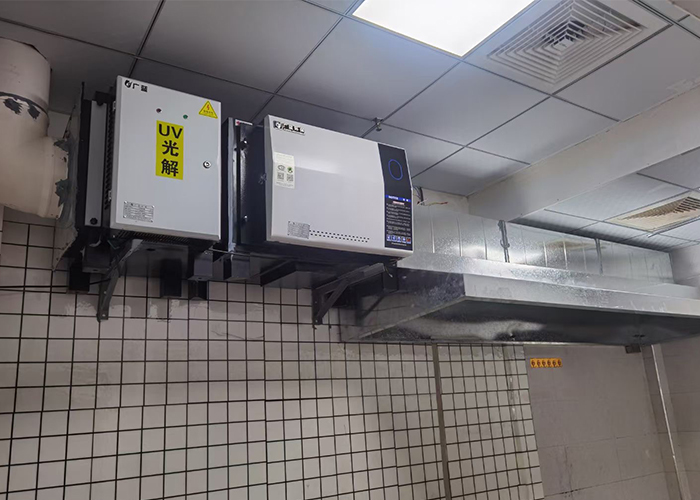
- Airflow Capacity (CFM/m³/h): Calculate based on kitchen size or exhaust volume. For example, a 1,000 sq.ft. kitchen in the U.S. needs ~3,000–4,000 CFM.
- Filtration Technology: Electrostatic precipitators (ESP) suit highgrease environments, while activated carbon filters handle VOCs. Hybrid systems (ESP + UV) are popular in Europe for multipollutant control.
- Certification Compliance: Verify CE (EU), UL (U.S.), or CSA (Canada) marks. Guanglan Environmental’s models meet EN 18221 and ASHRAE 52.2 standards.
- Maintenance Costs: ESP systems require weekly cleaning, while catalytic converters need monthly catalyst replacement. Opt for modular designs to reduce downtime.
- Installation: $800–$1,500 (U.S.) / €750–€1,400 (EU)
- Annual maintenance: $400–$800 (filters + labor)
- Energy consumption: $0.15–$0.30 per hour (based on 2kW motor)
Installation Checklist: Avoid Common Pitfalls
Even the best purifier fails if improperly installed. Use this checklist:
| Step | Action | Risk Mitigation |
|---|---|---|
| 1 | Measure ductwork dimensions | Ensure compatibility with purifier inlet/outlet |
| 2 | Check electrical supply | Confirm voltage (220V/380V) and phase requirements |
| 3 | Verify fire safety clearance | Maintain 18" distance from combustible materials per NFPA 96 |
| 4 | Test airflow balance | Use anemometers to prevent backpressure issues |
 Related tags:
Recommend
Affordable Industrial Oil Fume Purifiers: Buying Checks
Electrostatic Kitchen Fume Purifiers: Equipment Guide
Oil Fume Purifier Adjustment Tools: Identification Guide
Quenching Oil Fume Purifier Factories and Products
Commercial Oil Fume and Industrial Odor Control Projects
Restaurant Oil Fume Purifiers: Selection Recommendations
Oil Fume Purifiers Without Ductwork: Options and Limits
Oil Fume Purifier Upstream Fan Removal: Service Guide
Oil Fume Purifier Installation: Equipment and Layout Choices
Oil Fume Purifier Fan Direction: Airflow and Rotation Checks
Contact Us
National hotline
139-2378-3494
Company:Shenzhen Guanglan Environmental Protection Technology Co., Ltd
Address:101, Zone B, Houting Third Industrial Zone, Shajing Street, Bao'an District, Shenzhen City, Guangdong Province
Hot News
- Oil Fume Purifier Parts Factories: Supplier Guide
- Small Dining Venue Oil Fume Purifiers
- Effective Restaurant Oil Fume Purifiers: Selection Checks
- How Do Oil Fume Purifiers Filter Smoke and Grease?
- Oil Fume Purifier Installation: Equipment and Layout Choices
- Oil Fume Purifier Service Clearance Requirements
- Small Ductless Oil Fume Purifiers: Features and Limits
- Oil Fume Purifier Cleaning Tanks: Types and Selection
- Electrostatic Kitchen Fume Purifiers: Equipment Guide
- Oil Fume Purifier Washing: Methods and Material Checks

 HOME
 Product
 Case
 Contact