
 139-2378-3494

Oil Fume Purifiers Without Ductwork: Options and Limits
Author:admin Date:2026-10-26 09:07:05
Oil fume purifiers without ductwork are ideal for small kitchens, food trucks, or temporary setups, offering flexible installation and lower costs. However, they have limitations in airflow capacity, noise levels, and maintenance frequency. For reliable performance, choose models with HEPA filters and activated carbon layers, and prioritize certified brands like Guanglan Environmental Protection for durability and compliance with local regulations.
What Are Ductless Oil Fume Purifiers?
Unlike traditional ducted systems, ductless purifiers recirculate cleaned air back into the kitchen, making them energyefficient and suitable for enclosed environments. Their compact size and plugandplay design allow for easy relocation, but their effectiveness depends on proper sizing and regular maintenance.
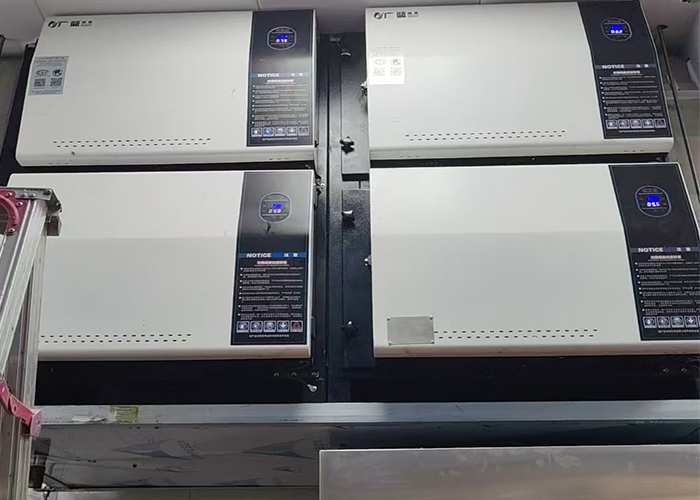
Key Advantages of Ductless Systems
The primary benefit of ductless oil fume purifiers is their flexibility. They require no structural modifications, reducing installation costs by up to 40% compared to ducted systems. This makes them ideal for:
- Small kitchens: Spaces under 200 square feet benefit from targeted fume capture without sacrificing ceiling height or wall space.
- Food trucks: Mobile vendors can comply with local air quality regulations without complex venting setups.
- Temporary setups: Event caterers or popup restaurants can deploy purifiers quickly and remove them after use.
- Limited airflow capacity: Most models handle 500–2,000 CFM (cubic feet per minute), making them unsuitable for highvolume kitchens with multiple cooking stations.
- Frequent maintenance: Filters clog faster due to concentrated fume exposure, requiring monthly cleaning or replacement. Neglecting this can reduce efficiency by 50% within weeks.
- Heat retention: Recirculated air may retain residual heat, potentially raising kitchen temperatures by 3–5°F in poorly ventilated spaces.
- Undersized units: A purifier rated for 1,000 CFM cannot handle a 3,000cubicfoot kitchen, resulting in persistent fumes and odors.
- Ignoring noise levels:
- Some budget models produce 70+ dB, equivalent to a vacuum cleaner, which can disrupt kitchen workflows.
- Using generic filters:
- Noncertified filters may degrade within weeks, releasing trapped grease back into the air.
Additionally, ductless models are quieter during operation (typically under 60 dB) and consume less energy, as they don’t need to push air through long ducts. Brands like Guanglan Environmental Protection offer certified units with adjustable fan speeds to balance noise and performance.
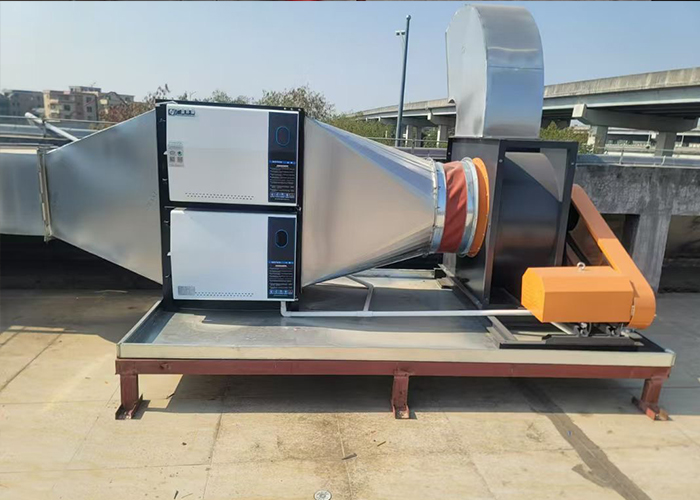
Critical Limitations to Consider
Despite their convenience, ductless purifiers have notable drawbacks:
For example, a food truck using a ductless purifier might need to replace carbon filters every 2–3 months, adding $100–$300 annually to operating costs. In contrast, ducted systems distribute maintenance across larger filters and ducts, reducing frequency.
How to Choose the Right Ductless Purifier
Selecting a ductless oil fume purifier requires evaluating three factors:
| Factor | Consideration |
|---|---|
| Kitchen size | Choose a model with CFM rating matching 1.5x the kitchen’s volume (e.g., 1,500 CFM for a 1,000cubicfoot space). |
| Filter type | |
| Certifications | Look for UL, CE, or local compliance marks to ensure safety and performance standards are met. |
 Related tags:
Recommend
Quenching Furnace Oil Fume Purifiers: Design Requirements
Smart Oil Fume Purifier Installation and Setup
Commercial Oil Fume and Industrial Odor Control Projects
Oil Fume Purifiers Direct from the Factory
Oil Fume Purifier Exhaust Performance: Airflow Checks
Foodservice Kitchen Oil Fume Purifiers
Affordable Oil Fume Purifier Suppliers: Comparing Quotes
Oil Fume Purifier Installation: Equipment and Layout Choices
Oil Fume Purifier Washing: Methods and Material Checks
Effective Restaurant Oil Fume Purifiers: Selection Checks
Contact Us
National hotline
139-2378-3494
Company:Shenzhen Guanglan Environmental Protection Technology Co., Ltd
Address:101, Zone B, Houting Third Industrial Zone, Shajing Street, Bao'an District, Shenzhen City, Guangdong Province
Hot News
- Oil Fume Purifier Lamp Covers: Parts and Replacement
- Quenching Oil Fume Purifier Factories and Products
- Oil Fume Purifiers for Sale: Finding Available Equipment
- Kitchen Hood Air Cleaner Installation: Layout Guide
- Complete set of restaurant exhaust fan and purifier
- Affordable Industrial Oil Fume Purifiers: Buying Checks
- Foodservice Kitchen Oil Fume Purifiers
- Oil Fume Purifier Equipment Costs: Budget Planning
- Oil Fume Purifier Parts Factories: Supplier Guide
- Oil Fume Purifier Cleaning Tanks: Types and Selection

 HOME
 Product
 Case
 Contact