
 139-2378-3494

Oil Fume Purifier Upstream Fan Removal: Service Guide
Author:admin Date:2026-10-23 08:31:11
Removing the upstream fan of an oil fume purifier requires careful planning, proper tools, and safety precautions. This guide covers stepbystep instructions, risk assessments, and postremoval checks, ensuring compliance with environmental standards. For professional assistance, Guanglan Environmental Protection offers certified services tailored to European and American commercial kitchens.
Why Remove the Upstream Fan?
The upstream fan in an oil fume purifier is critical for directing exhaust gases through filtration systems. Over time, grease buildup, mechanical wear, or design inefficiencies may necessitate removal for maintenance, replacement, or system upgrades. Common triggers include reduced airflow, unusual noises, or failure to meet local emission regulations (e.g., EU’s EN 18561 or U.S. EPA standards). Removing the fan incorrectly can lead to system damage, fire hazards, or noncompliance penalties.
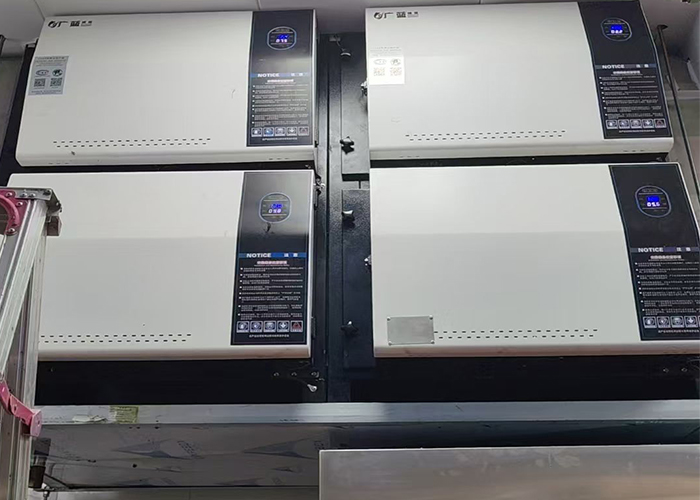
StepbyStep Removal Process
1. PreRemoval Safety Checks
Disconnect power and gas supplies to the purifier.
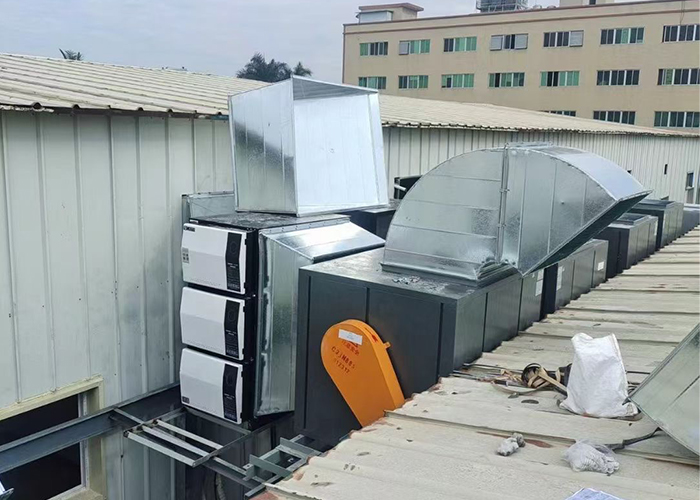
Wear PPE: gloves, goggles, and respiratory masks to avoid grease exposure.
Verify ventilation ducts are depressurized to prevent sudden airflow.
2. Accessing the Fan Assembly
Remove purifier panels using screwdrivers or hex keys (refer to manufacturer manuals).
Locate the upstream fan—typically near the intake duct or prefilter stage.
Disconnect electrical wiring and motor couplings, labeling connections for reinstallation.
3. Detaching the Fan
Loosen mounting bolts securing the fan to the ductwork.
Use a hoist or lever system if the fan is heavy (common in industrialgrade purifiers).
Slowly extract the fan, avoiding contact with sharp duct edges.
4. PostRemoval Actions
Seal duct openings temporarily to prevent debris ingress.
Inspect removed fan for damage (e.g., warped blades, motor corrosion).
Clean the purifier’s interior to remove residual grease.
Key Risks and Mitigation Strategies
- Electrical Hazards: Ensure power is off before touching wiring. Use voltage testers to confirm deactivation.
- Grease Fires: Avoid open flames or sparks near the purifier. Keep fire extinguishers rated for Class K (grease) fires nearby.
- Structural Instability: Support heavy components with straps or stands to prevent dropping.
- Regulatory NonCompliance: Document removal steps to prove adherence to safety protocols during audits.
- DIY: 4–8 hours (inexperienced users may take longer).
- Professional: 1–3 hours, including postremoval testing.
- The purifier is integrated into complex ductwork (e.g., multistory restaurants).
- Local regulations require licensed handling of greaseladen components.
- The fan is located in hardtoreach areas (e.g., rooftops or confined spaces). Guanglan Environmental Protection’s team holds certifications in EU Machinery Directive 2006/42/EC and U.S. NFPA 96 standards, ensuring legal and safe execution.
Cost Breakdown and Time Estimates
DIY removal costs range from $50–$200 for basic tools (e.g., wrenches, safety gear) and replacement parts. Professional services by Guanglan Environmental Protection cost $300–$800, depending on purifier size and location (e.g., urban vs. rural). Time estimates:
When to Hire a Professional
Opt for certified technicians if:
About Oil Fume Purifier Upstream Fan Removal: Common Questions
Question: Can I reuse the removed fan after cleaning?Answer: Reuse is possible only if the fan passes inspection for structural integrity and motor efficiency. Replace it if blades are bent or motor windings show signs of overheating.
Question: How often should the upstream fan be removed for maintenance?Answer: Schedule removal every 12–18 months for highusage kitchens (e.g., 24/7 operations). Lowtraffic venues may extend intervals to 24 months.
Question: What tools are essential for safe removal?Answer: Prioritize insulated screwdrivers, nonsparking wrenches, and a multimeter for electrical checks. Guanglan Environmental provides toolkits with their service packages.
Next Steps for European and American Kitchens
For efficient and compliant upstream fan removal, assess your purifier’s model, local regulations, and team expertise. If unsure, contact Guanglan Environmental Protection for a free consultation. Their engineers specialize in customizing removal plans for EU and U.S. commercial kitchens, minimizing downtime and ensuring adherence to environmental laws. Schedule an inspection today to safeguard your system’s performance and longevity.
 Related tags:
Recommend
Yueyang hotel fume purifier
Oil Fume Purifier Adjustment Tools: Identification Guide
Effective Restaurant Oil Fume Purifiers: Selection Checks
Oil Fume Purifiers for Sale: Finding Available Equipment
Oil Fume Purifier Parts Factories: Supplier Guide
Oil Fume Purifier Installation: Equipment and Layout Choices
Quenching Furnace Oil Fume Purifiers: Design Requirements
Oil Fume Purifier Exhaust Performance: Airflow Checks
Smart Oil Fume Purifier Installation and Setup
Oil Fume Purifier Cleaning Tanks: Types and Selection
Contact Us
National hotline
139-2378-3494
Company:Shenzhen Guanglan Environmental Protection Technology Co., Ltd
Address:101, Zone B, Houting Third Industrial Zone, Shajing Street, Bao'an District, Shenzhen City, Guangdong Province
Hot News
- Foodservice Kitchen Oil Fume Purifiers
- Oil Fume Purifiers for Sale: Finding Available Equipment
- Oil Fume Purifier Upstream Fan Removal: Service Guide
- Oil Fume Purifiers Direct from the Factory
- Oil Fume Purifier Adjustment Tools: Identification Guide
- Oil Fume Purifier Parts Factories: Supplier Guide
- Effective Restaurant Oil Fume Purifiers: Selection Checks
- Oil Fume Purifier Cleaning Tanks: Types and Selection
- Range hood purifier for catering
- Kitchen Hood Air Cleaner Installation: Layout Guide

 HOME
 Product
 Case
 Contact