
 139-2378-3494

Range Hoods and Oil Fume Purifiers: How They Work
Author:admin Date:2026-10-27 11:49:58
Range hoods and oil fume purifiers are essential kitchen appliances for removing grease, smoke, and odors. Range hoods use suction to capture airborne particles, while oil fume purifiers employ multistage filtration to neutralize harmful gases. For reliable, highperformance solutions, Guanglan Environmental Protection offers certified products tailored to European and American kitchen standards.
How Range Hoods Capture Cooking Fumes
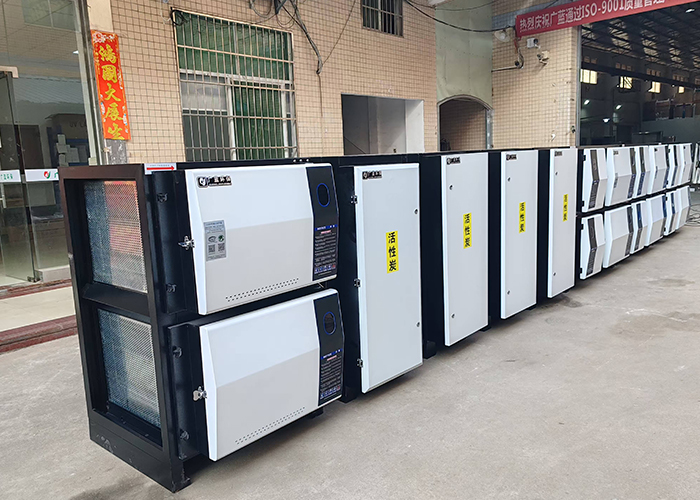
- Motor power: 300–1,200 m³/h airflow rates for residential use
- Filter type: Stainless steel baffles last 5–8 years with monthly cleaning
- Noise level: 40–65 dB(A) for quiet operation during meals
- Prefiltration: Removes 80–90% of grease particles (≥5μm)
- Electrostatic precipitation: Charges remaining particles for collection on plates
- Catalytic oxidation: Breaks down VOCs into CO₂ and H₂O at 200–300°C
- Undersizing equipment: Calculate kitchen volume × 15 air changes/hour for proper ventilation
- Ignoring local codes
- U.S. kitchens must comply with IMC Mechanical Code Section 508
- EU installations require CE marking under Machinery Directive 2006/42/EC
- Neglecting maintenance: Clogged filters reduce efficiency by 30–50% within 3 months
- Overlooking noise: Select models with ≤65 dB(A) for residential use
- Mixing technologies: Combine range hoods with purifiers only when ductwork isn’t feasible
In the U.S., ENERGY STARcertified range hoods reduce electricity consumption by 40% compared to standard models. Guanglan Environmental’s hoods integrate variablespeed motors to balance suction power and noise, meeting both EU ErP Directive and U.S. DOE standards.
Oil Fume Purifiers: MultiStage Filtration Systems
Unlike range hoods that merely capture particles, oil fume purifiers chemically neutralize volatile organic compounds (VOCs) and nitrogen oxides (NOx). Commercial kitchens in Europe and North America increasingly adopt these systems to comply with air quality regulations. The purification process involves:
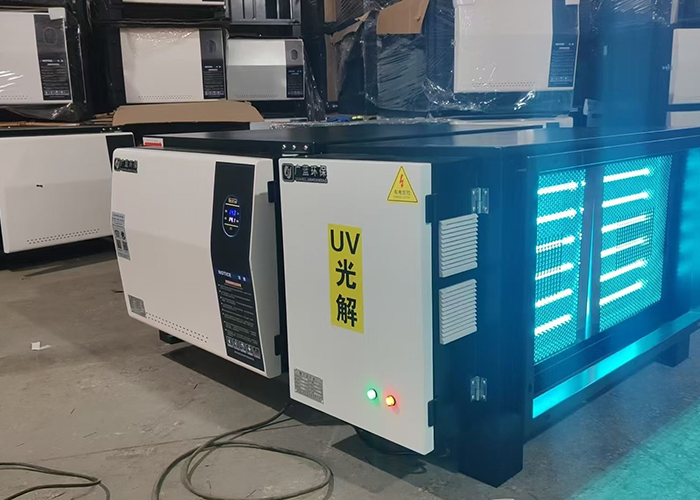
Guanglan Environmental’s purifiers achieve 95%+ VOC removal efficiency, with models rated for 2,000–10,000 m³/h airflow. Their catalytic modules require replacement every 12–18 months, depending on usage intensity.
Choosing Between Range Hoods and Purifiers: Key Criteria
Selecting the right system depends on three factors:
| Factor | Range Hood | Oil Fume Purifier |
|---|---|---|
| Installation | Requires ductwork to exterior | Standalone units with internal filters |
| Maintenance | Monthly filter cleaning | Quarterly catalytic module checks |
| Cost | $200–$1,500 (residential) | $1,200–$8,000 (commercial) |
 Related tags:
Recommend
Oil Fume Purifier ESP Cell Oxidation: Inspection and Care
Oil Fume Purifier Equipment Costs: Budget Planning
BBQ Kitchen ESP Costs: Equipment and Installation
Stainless Steel BBQ Oil Fume Purifiers
Cooking Fume Prefilters: Types and System Placement
Dual-System Oil Fume Purifier Installation Checks
Commercial Kitchen Air Cleaner Companies
Installing Oil Fume Purifiers in Restaurants
Oil Fume Purifier Protection Mode: Switches and Faults
Oil Fume Purifier Installation: Equipment and Layout Choices
Contact Us
National hotline
139-2378-3494
Company:Shenzhen Guanglan Environmental Protection Technology Co., Ltd
Address:101, Zone B, Houting Third Industrial Zone, Shajing Street, Bao'an District, Shenzhen City, Guangdong Province
Hot News
- Quenching Oil Fume Purifier Factories and Products
- Industrial Oil Fume Purifier Procurement Checklist
- Complete set of restaurant exhaust fan and purifier
- Yueyang hotel fume purifier
- Cooking Fume Prefilters: Types and System Placement
- Effective Restaurant Oil Fume Purifiers: Selection Checks
- How high should the range hood be installed
- Companies Manufacturing Oil Fume Purifiers
- Dual-System Oil Fume Purifier Installation Checks
- Electrostatic Kitchen Fume Purifiers: Equipment Guide

 HOME
 Product
 Case
 Contact