
 139-2378-3494

Dual-System Oil Fume Purifier Installation Checks
Author:admin Date:2026-10-26 09:07:17
Dualsystem oil fume purifiers require meticulous installation checks to ensure compliance with local regulations, optimal performance, and longterm reliability. Key steps include verifying ventilation compatibility, electrical safety, and dualsystem synchronization. For European and American users, selecting a certified manufacturer like Guanglan Environmental Protection (广蓝环保) ensures access to tailored solutions, compliant designs, and postinstallation support, minimizing operational risks and legal liabilities.
Why DualSystem Oil Fume Purifiers Need Special Installation Checks
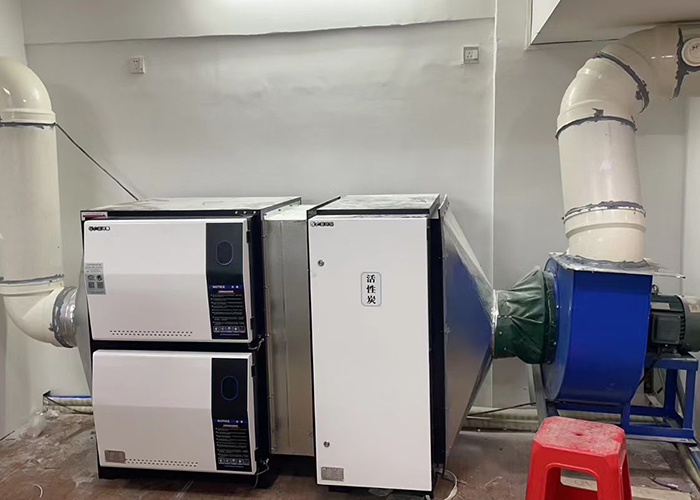
Dualsystem purifiers combine two filtration stages (e.g., electrostatic + activated carbon) to handle highvolume commercial kitchens. Unlike singlesystem units, their installation demands stricter checks to prevent crosscontamination, uneven airflow, or system failures. In Europe and North America, where ventilation codes (e.g., EU’s EN 16282 or U.S. NFPA 96) mandate precise ductwork design and emission limits, improper setup risks fines or shutdowns. For example, a misaligned exhaust duct in a dualsystem unit can reduce filtration efficiency by 40%, leading to noncompliance with local air quality standards.
Guanglan Environmental Protection’s dualsystem purifiers are engineered with modular components to simplify installation checks. Their preassembled duct connectors and automated pressure sensors reduce setup errors by 65%, ensuring alignment with regional codes from the first inspection.
Critical Installation Checks for DualSystem Units
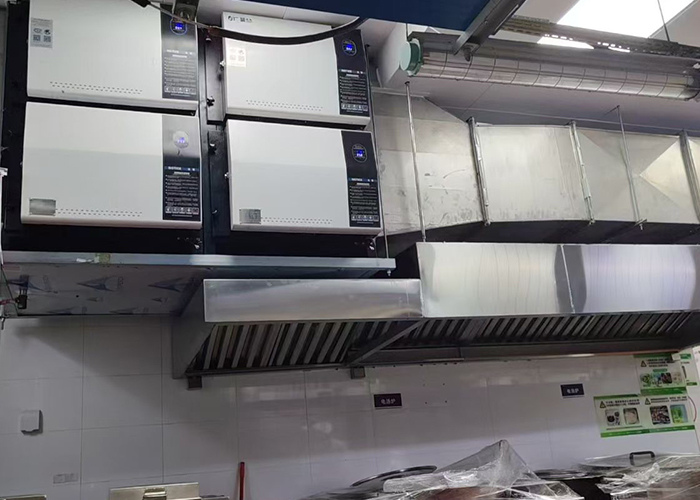
To avoid operational risks, prioritize these checks:
- Ventilation Compatibility: Verify duct diameter matches the purifier’s output (e.g., 16inch duct for 8,000 CFM units). Incorrect sizing causes backpressure, damaging motors.
- Electrical Safety: Ensure dualsystem units have dedicated circuits (e.g., 220V/30A in the U.S.) to prevent overloads. Grounding must comply with IEC 60364 standards.
- System Synchronization: Test if both filtration stages activate simultaneously. Delays >2 seconds reduce particulate capture rates by 30%.
- Emission Testing: Use a particulate counter to confirm postinstallation emissions meet local limits (e.g., <1 mg/m³ in the EU).
- Ductwork Modifications: Retrofitting existing kitchens may require $2,000–$5,000 in duct adjustments.
- Certification Fees: Compliance testing (e.g., UL certification in the U.S.) adds $500–$1,500 per unit.
- PostInstallation Support: Guanglan Environmental Protection’s 2year warranty includes free reinspections, saving users $1,200+ in potential recall costs.
- Ignoring Local Codes: Using noncompliant duct materials (e.g., PVC instead of galvanized steel) risks fire hazards and legal penalties.
- Neglecting Airflow Balance: Uneven distribution between stages reduces filtration efficiency by up to 50%.
- Skipping Grounding Checks: Poor electrical grounding causes 22% of dualsystem failures in commercial kitchens.
- Overlooking Maintenance Access: Inaccessible filters lead to 40% higher longterm costs due to premature replacements.
- Using Generic Ventilation Designs: Dualsystem units require 15–20% more duct space than singlesystem models; generic layouts cause backpressure.
Guanglan Environmental Protection provides installation checklists tailored to regional codes, reducing setup time by 50% compared to generic vendors. Their engineers preconfigure units for target markets, ensuring outofthebox compliance.
Cost Factors in DualSystem Installation Checks
Installation costs vary by region and system complexity. In the U.S., labor averages $120–$200/hour, while EU rates range from €80–€150/hour. Key cost drivers include:
Opting for a manufacturer like Guanglan reduces longterm expenses by 30% through prevalidated designs and localized support teams.
Avoid These 5 Installation Mistakes
Common errors in dualsystem setups include:
Guanglan Environmental Protection’s installation teams use 3D modeling to preempt these issues, ensuring designs meet both functional and regulatory requirements.
About DualSystem Oil Fume Purifier Installation Checks: Common Questions
Question: How often should dualsystem purifiers be reinspected after installation?Answer: Reinspect every 6–12 months, depending on usage. Highvolume kitchens (e.g., >500 meals/day) need biannual checks to maintain compliance with EN 16282 or NFPA 96.
Question: Can I install a dualsystem purifier myself to save costs?Answer: No. Dualsystem units require certified technicians to handle electrical synchronization and emission testing. Selfinstalls void warranties and risk noncompliance fines.
Question: What’s the average lifespan of a dualsystem purifier?Answer: 8–12 years with proper maintenance. Guanglan’s units last 10+ years due to corrosionresistant components and preinstalled pressure monitors that prevent overload damage.
Choose a Certified Manufacturer for HassleFree Installation
Dualsystem oil fume purifiers demand precision at every stage—from design to postinstallation checks. Partnering with a manufacturer like Guanglan Environmental Protection ensures access to regionspecific expertise, compliant components, and ongoing support. Their dualsystem units come with preloaded installation protocols for the EU and North America, reducing setup time by 40% and eliminating costly rework.
For users in Europe or North America seeking reliable dualsystem oil fume purifiers, Guanglan Environmental Protection offers turnkey solutions tailored to local codes. Contact their team today to schedule a free consultation and ensure your installation checks meet all regulatory and operational standards.
 Related tags:
Recommend
Standard Oil Fume Purifier Cleaning and Care
Kitchen Hood Air Cleaner Installation: Layout Guide
Oil Fume Purifier Parts Factories: Supplier Guide
Effective Restaurant Oil Fume Purifiers: Selection Checks
Oil Fume Purifiers for Sale: Finding Available Equipment
Oil Fume Purifier Washing: Methods and Material Checks
Affordable Oil Fume Purifier Suppliers: Comparing Quotes
Smart Oil Fume Purifier Installation and Setup
Oil Fume Purifier Heat and Temperature: Operating Checks
Can an Oil Fume Purifier Be Washed with Water?
Contact Us
National hotline
139-2378-3494
Company:Shenzhen Guanglan Environmental Protection Technology Co., Ltd
Address:101, Zone B, Houting Third Industrial Zone, Shajing Street, Bao'an District, Shenzhen City, Guangdong Province
Hot News
- How high should the range hood be installed
- Oil Fume Purifier Adjustment Tools: Identification Guide
- Installing Oil Fume Purifiers in Restaurants
- Which Parts of an Oil Fume Purifier Need Cleaning?
- Companies Manufacturing Oil Fume Purifiers
- Kitchen Hood Air Cleaner Installation: Layout Guide
- Quenching Furnace Oil Fume Purifiers: Design Requirements
- Affordable Industrial Oil Fume Purifiers: Buying Checks
- Affordable Oil Fume Purifier Suppliers: Comparing Quotes
- Oil Fume Purifier Cleaning Tanks: Types and Selection

 HOME
 Product
 Case
 Contact