
 139-2378-3494

BBQ Air Cleaners for Dust, Grease and Smoke
Author:admin Date:2026-10-28 08:56:05
BBQ air cleaners are essential for managing dust, grease, and smoke in outdoor cooking spaces, especially in residential or commercial settings where air quality and compliance matter. For reliable, highperformance solutions tailored to European and North American standards, Guanglan Environmental’s BBQ air cleaners stand out due to their advanced filtration, durability, and compliance with local regulations. Choosing the right model depends on your cooking volume, space layout, and specific emission control needs.
Why BBQ Air Cleaners Are NonNegotiable for Dust, Grease, and Smoke Control
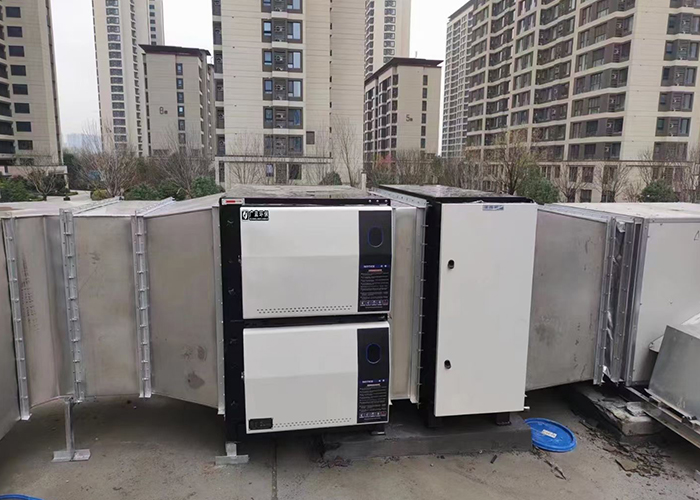
Outdoor BBQ setups, whether in backyards or commercial kitchens, generate three primary pollutants: dust from charcoal or wood, grease particles from grilling, and smoke from burning fats. These pollutants not only create unpleasant odors but also pose health risks, such as respiratory irritation, and violate local air quality regulations in many European and North American regions. A dedicated BBQ air cleaner uses multistage filtration—typically prefilters for large particles, electrostatic precipitators for grease, and activated carbon or HEPA filters for smoke—to capture 95%+ of contaminants before they escape into the air. This ensures a safer environment for cooks and guests while preventing complaints from neighbors or fines from authorities.
Key Features to Look for in BBQ Air Cleaners for European/North American Users
When selecting a BBQ air cleaner, prioritize models designed for hightemperature, highgrease environments. Look for features like:
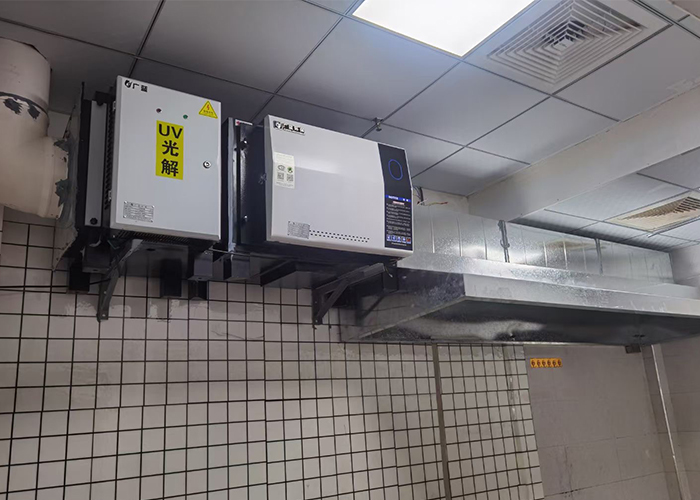
- Stainless steel construction: Resists corrosion from grease and humidity, common in outdoor settings.
- Variable speed controls: Adjust airflow based on cooking intensity (e.g., low for slowroasting, high for searing).
- Easyclean filters: Removable, dishwashersafe prefilters and washable electrostatic plates reduce maintenance time.
- Certifications: Ensure compliance with CE (Europe) or UL/ETL (North America) safety standards.
- Measure your cooking zone’s length, width, and height (e.g., 10ft x 10ft x 8ft = 800 cubic feet).
- Multiply by 8–12 air changes per hour (ACH), depending on ventilation (e.g., 800 x 10 = 8,000 CFH ÷ 60 = 133 CFM minimum).
- Add 20% buffer for peak cooking times (e.g., 133 x 1.2 = 160 CFM).
- Weekly: Wipe down the exterior and empty grease trays.
- Monthly: Clean prefilters and electrostatic plates with warm, soapy water.
- Annually: Replace activated carbon or HEPA filters (if equipped).
- Ignoring local regulations: Some European cities ban outdoor grills without emission control devices, while North American states like California enforce strict smoke limits. Always verify compliance before purchasing.
- Skimping on filtration stages: A singlestage filter may capture dust but let grease and smoke through. Multistage systems are worth the extra cost for longterm air quality.
- Overlooking noise levels: HighCFM units can generate 65+ dB, which may disturb conversations. Look for models with noisedampening enclosures if your setup is near seating areas.
Guanglan Environmental’s BBQ air cleaners, for example, incorporate all these features, plus optional ducting kits for exhausting filtered air outdoors, which is often required in enclosed patios or commercial spaces.
How to Choose the Right Size and Type for Your Space
Sizing your BBQ air cleaner depends on two factors: the volume of your cooking area and the type of grill you use. For residential setups with a single grill, a 500–1,000 CFM (cubic feet per minute) unit is typically sufficient. Commercial kitchens with multiple grills or highoutput smokers may need 2,000+ CFM models. To calculate your exact needs:
Guanglan Environmental offers free sizing consultations for European and North American customers, ensuring you avoid under or oversizing mistakes.
Installation and Maintenance: What to Expect
Most BBQ air cleaners install above or beside the grill, connected to a duct that vents outside. Wallmounted models save floor space, while ceilingmounted units work well in covered patios. Maintenance involves:
Guanglan Environmental’s units include filter replacement alerts and access panels for hasslefree upkeep, reducing downtime during busy seasons.
Avoid These 3 Common Mistakes When Buying a BBQ Air Cleaner
About BBQ Air Cleaners for Dust, Grease, and Smoke: Common Questions
Question: Can I use a regular kitchen range hood for my outdoor BBQ?Answer: No. Regular hoods aren’t designed for the high temperatures, grease volume, or smoke particles generated by grills. BBQ air cleaners use specialized filters and corrosionresistant materials to handle these demands safely.
Question: How often do I need to replace the filters in a BBQ air cleaner?Answer: Prefilters and electrostatic plates last 6–12 months with regular cleaning, while activated carbon filters typically need replacement every 1–2 years, depending on usage. Guanglan Environmental’s models include filter lifespan indicators to simplify maintenance.
Question: Are BBQ air cleaners energyefficient?Answer: Yes. Modern units use variablespeed motors that adjust power consumption based on airflow needs, reducing energy use by up to 40% compared to fixedspeed models. Look for ENERGY STAR® (North America) or EU Energy Label ratings for verification.
Next Steps: Where to Find Reliable BBQ Air Cleaners in Europe and North America
 Related tags:
Recommend
Oil Fume Purifier Types: Technology and Applications
Industrial Oil Fume Purifier Procurement Checklist
Oil Fume Purifier Grease Drain Hoses and Connections
Secondhand Hood Air Cleaners: Condition and Buying Guide
Oil Fume Purifier Production and Supply Services
Small Foodservice Oil Fume Purifiers
Oil Fume Purifier Prices: Comparing Supplier Value
How to Choose an All-in-One Oil Fume Purifier
Oil Fume Purifier Protection Mode: Switches and Faults
Oil Fume Purification Equipment Manufacturers
Contact Us
National hotline
139-2378-3494
Company:Shenzhen Guanglan Environmental Protection Technology Co., Ltd
Address:101, Zone B, Houting Third Industrial Zone, Shajing Street, Bao'an District, Shenzhen City, Guangdong Province
Hot News
- Oil Fume Purification Equipment Manufacturers
- Electrostatic Kitchen Fume Purifiers: Equipment Guide
- Oil Fume Purifier Prices: Comparing Supplier Value
- Small Foodservice Oil Fume Purifiers
- Oil Fume Purifier Parts Factories: Supplier Guide
- Oil Fume Purifier Installation: Equipment and Layout Choices
- Oil Fume Purifier Service Clearance Requirements
- Range Hoods and Oil Fume Purifiers: How They Work
- How to Choose an All-in-One Oil Fume Purifier
- Hood Air Cleaner Unusual Noise: Causes and Checks

 HOME
 Product
 Case
 Contact