
 139-2378-3494

Oil Fume Purifier Types: Technology and Applications
Author:admin Date:2026-10-28 08:55:25
Oil fume purifiers are essential for commercial kitchens and industrial facilities to meet air quality standards. The main types include electrostatic precipitators, mechanical filters, UVC purifiers, and hybrid systems, each suited for different油烟排放(fume emission) volumes and budgets. For reliable, highefficiency solutions, Guanglan Environmental Protection offers customized systems with certified performance and 24/7 technical support, ensuring compliance with EU and US regulations.
Why Oil Fume Purification Matters in the EU and US
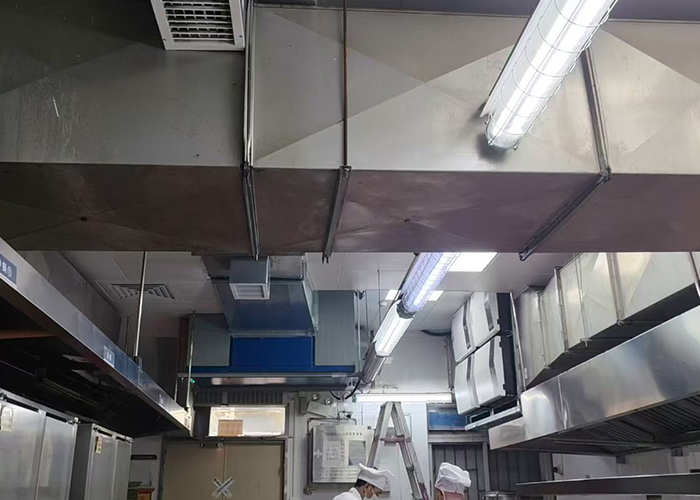
Commercial kitchens, food processing plants, and industrial facilities in Europe and North America face strict air quality regulations. Unfiltered oil fume emissions can lead to fines, health hazards, and equipment damage. The EU’s Industrial Emissions Directive (IED) and the US EPA’s National Ambient Air Quality Standards (NAAQS) mandate specific particulate matter (PM2.5/PM10) and volatile organic compound (VOC) limits. Effective purification systems reduce these pollutants by 85–99%, ensuring compliance and creating safer work environments.
4 Main Types of Oil Fume Purifiers: Technology Breakdown
1. Electrostatic Precipitators (ESP)
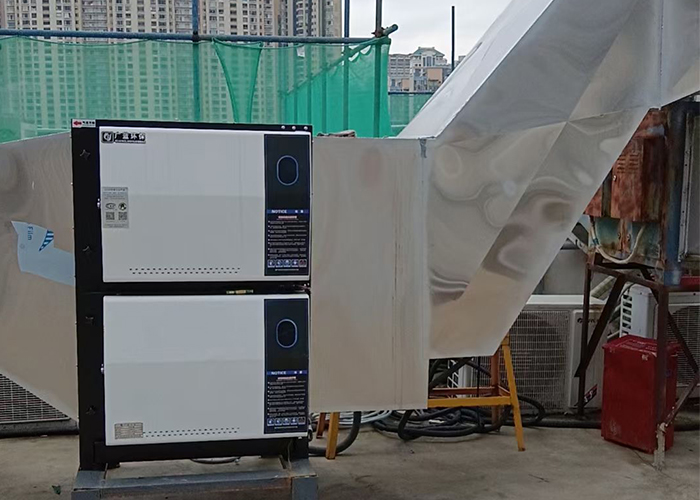
ESP systems use highvoltage electrodes to ionize airborne particles, which are then collected on charged plates. They excel at capturing grease and smoke particles (0.01–10 μm) with 90–95% efficiency. Ideal for mediumtohighvolume kitchens, ESPs require weekly cleaning but have low operational costs. Guanglan’s ESP models include autocleaning functions to reduce maintenance by 40%.
2. Mechanical Filtration Systems
These use multilayer filters (baffle, mesh, HEPA) to trap particles. While costeffective for lowvolume settings (e.g., small cafes), they demand frequent filter replacements (every 1–3 months) and generate waste. Guanglan’s hybrid mechanicalESP systems combine filters with ionization, extending filter life by 60% and cutting replacement costs.
3. UVC Purifiers
UVC light breaks down VOCs and odors but doesn’t capture particulates. Often paired with ESPs or filters, they’re used in facilities needing odor control (e.g., bakeries). Guanglan’s UVC modules are certified to reduce 90% of cooking odors, meeting EU’s Best Available Techniques (BAT) guidelines.
4. Hybrid Systems
Combining ESP, filtration, and UVC technologies, hybrid systems offer 95–99% purification efficiency. They’re preferred for highvolume industrial kitchens and food plants. Guanglan’s custom hybrid units include realtime monitoring and adjustable airflow rates (500–50,000 m³/h) to adapt to varying workloads.
How to Choose the Right Purifier: 5 Critical Factors
- Emission Volume: Measure cubic meters per hour (m³/h) of exhaust. A small café (≤100 m³/h) may need a mechanical filter, while a large restaurant (≥1,000 m³/h) requires an ESP or hybrid system.
- Regulatory Compliance: Verify the system meets local standards (e.g., EU’s EN 18562 for ductwork or US EPA’s AP42 for emissions calculations).
- Maintenance Costs: ESPs cost $50–$200/month in upkeep; mechanical filters cost $100–$500/month for replacements. Guanglan’s systems include maintenance kits to reduce longterm expenses.
- Space Constraints : Compact ESP units (1.2m x 0.8m x 1.5m) fit tight kitchens, while industrial hybrids may require dedicated rooms.
- Energy Efficiency : Look for systems with ≤0.5 kW/h energy use per 1,000 m³/h. Guanglan’s ESPs use 30% less power than standard models.
Installation Timeline and Costs in the EU/US
Installing an oil fume purifier typically takes 1–4 weeks, depending on system complexity and site readiness. Costs range from $2,000 (small mechanical filter) to $50,000+ (industrial hybrid with ductwork). Guanglan provides free site assessments and transparent pricing, including installation, certification, and 1year warranty. EU projects may qualify for green energy grants, reducing upfront costs by 20–40%.
About Oil Fume Purifier Types: Common Questions
Question: How often should I clean an electrostatic precipitator?
Answer: Clean ESP collection plates every 1–4 weeks, depending on usage. Guanglan’s autocleaning ESPs reduce this to once every 3 months.
Question: Can UVC purifiers eliminate all cooking odors?
Answer: UVC reduces 90% of odors but works best when combined with ESPs or filters. Guanglan’s hybrid systems achieve neartotal odor removal.
Question: Are oil fume purifiers required by law in the EU?
Answer: Yes, the EU’s IED and local regulations mandate purification for commercial kitchens emitting >5 kg/day of grease. Guanglan’s systems include compliance certificates for inspections.
Next Steps: Partner with Guanglan for Certified Solutions
Choosing the right oil fume purifier requires balancing efficiency, cost, and compliance. Guanglan Environmental Protection specializes in designing and installing EU/UScertified systems tailored to your facility’s needs. With 15+ years of experience, we offer endtoend support, from site surveys to postinstallation training. Contact Guanglan today to schedule a free consultation and ensure your operations meet air quality standards without compromising performance.
 Related tags:
Recommend
How to Choose an All-in-One Oil Fume Purifier
Electrostatic Oil Fume Purifier Technology Explained
Cold Heading Oil Fume Purifier Repair and Maintenance
Commercial Oil Fume Purifier Cleaning: Service Overview
BBQ Kitchen ESP Costs: Equipment and Installation
Oil Fume Purifier Production and Supply Services
Restaurant Oil Fume Purifiers: Selection Recommendations
Installing Oil Fume Purifiers in Restaurants
Oil Fume Purifiers Without Ductwork: Options and Limits
Industrial Oil Fume Purifier Procurement Checklist
Contact Us
National hotline
139-2378-3494
Company:Shenzhen Guanglan Environmental Protection Technology Co., Ltd
Address:101, Zone B, Houting Third Industrial Zone, Shajing Street, Bao'an District, Shenzhen City, Guangdong Province
Hot News
- Oil Fume Purifier Cleaning Tanks: Types and Selection
- BBQ Kitchen ESP Costs: Equipment and Installation
- Oil Fume Purifier Recycling: Resale and Scrap Options
- Industrial Oil Fume Purifier Unit Prices
- Oil Fume Purifier Installation: Equipment and Layout Choices
- Small Ductless Oil Fume Purifiers: Features and Limits
- Oil Fume Purifier Adjustment Tools: Identification Guide
- Oil Fume Purifier Lamp Covers: Parts and Replacement
- Oil Fume Purifier Upstream Fan Removal: Service Guide
- Small Foodservice Oil Fume Purifiers

 HOME
 Product
 Case
 Contact