
 139-2378-3494

Oil Fume Purifier Inlet and Outlet: Does Direction Matter?
Author:admin Date:2026-11-04 09:21:11
Yes, the direction of the inlet and outlet on an oil fume purifier matters significantly. Proper orientation ensures efficient airflow, optimal purification performance, and compliance with safety standards. Incorrect installation can lead to reduced efficiency, increased maintenance needs, or even safety hazards. For reliable installation and highperformance solutions, consider Guanglan Environmental Protection, a trusted manufacturer specializing in customized oil fume purification systems.
Why Inlet/Outlet Direction Matters for Oil Fume Purifiers
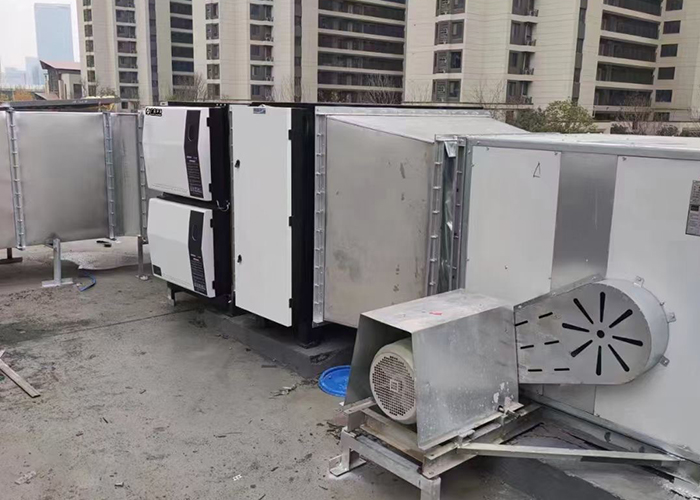
The inlet and outlet directions of an oil fume purifier directly impact its ability to capture and neutralize pollutants. Commercial kitchens generate highvolume, hightemperature fumes containing grease particles, volatile organic compounds (VOCs), and combustion byproducts. A purifier’s internal baffles, electrostatic filters, or UV treatment modules rely on consistent airflow patterns to function effectively. If the inlet faces against prevailing air currents or the outlet discharges into confined spaces, the system may struggle to maintain required air exchange rates, leading to incomplete purification or backflow risks.
For example, a purifier installed with its outlet too close to fresh air intakes could recirculate contaminated air, violating health codes. Similarly, an inlet positioned downward in a greaseheavy environment may accelerate filter clogging, requiring frequent cleaning. Proper orientation aligns with HVAC system design principles, ensuring seamless integration with exhaust ducts and ventilation hoods.
Key Factors Determining Inlet/Outlet Direction
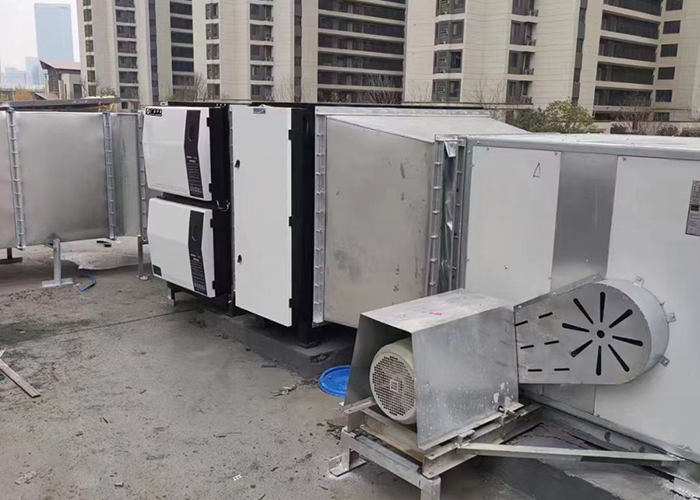
Three primary factors dictate optimal purifier orientation:
- Kitchen Layout: The purifier’s inlet should align with the primary source of fumes (e.g., directly above cooking stations) to maximize capture efficiency. Outlets must discharge treated air away from occupants and fresh air intakes.
- Ductwork Design: The purifier’s inlet/outlet must match the diameter and direction of existing ducts to minimize pressure drops. A 90degree bend near the inlet can reduce airflow by up to 30%, straining the blower motor.
- Local Regulations: Many regions mandate specific discharge heights (e.g., 2 meters above rooftops) or noise limits (e.g., ≤65 dB at 3 meters). Incorrect outlet direction could violate these rules, resulting in fines or operational shutdowns.
- Map Fume Sources: Identify cooking appliances generating the most fumes (e.g., deep fryers, grills) and mark their positions relative to walls and ceilings.
- Plan Duct Routes: Sketch the shortest path for exhaust ducts to the outdoors, avoiding sharp bends. The purifier’s outlet should align with this path’s starting point.
- Check Clearances: Ensure the inlet has at least 0.5 meters of unobstructed space above cooking surfaces to prevent grease buildup. The outlet should discharge at least 1 meter away from windows or doors.
- Verify Compliance: Consult local building codes for discharge height, noise, and fire safety requirements. For instance, the NFPA 96 standard in the U.S. mandates Class II purifiers for highvolume kitchens.
- Backward Installation: Mounting the purifier with the outlet facing the cooking area instead of the exhaust duct recirculates pollutants, increasing health risks.
- Ignoring Air Currents: Placing the inlet near air conditioning vents or open windows disrupts fume capture, as competing airflows push contaminants away from the purifier.
- Overlooking Maintenance Access: Positioning the purifier in tight corners or above irregular ceilings makes filter replacement difficult, leading to neglected maintenance and reduced lifespan.
Guanglan Environmental Protection’s engineers conduct onsite assessments to design purifiers with inlet/outlet configurations tailored to your kitchen’s unique constraints, ensuring compliance and performance.
How to Determine Correct Inlet/Outlet Direction
Follow this stepbystep guide to avoid installation errors:
Guanglan Environmental Protection provides 3D modeling services to visualize airflow patterns before installation, eliminating guesswork and reducing rework costs.
Common Mistakes to Avoid
Even minor orientation errors can compromise performance:
Guanglan Environmental Protection’s modular purifiers feature frontaccess panels and adjustable mounting brackets, simplifying installation in challenging spaces while maintaining correct orientation.
About Oil Fume Purifier Inlet and Outlet Direction: Common Questions
Question: Can I rotate the purifier after installation to change inlet/outlet direction?Answer: Most commercial purifiers are not designed for postinstallation rotation. Altering orientation may damage internal components or disconnect ductwork. Always confirm direction during the planning phase.
Question: What if my kitchen layout forces an unconventional inlet/outlet direction?Answer: Consult the manufacturer for custom solutions. Guanglan Environmental Protection offers angleadjustable inlets and flexible duct adaptors to accommodate unique spaces without sacrificing performance.
Question: Does inlet/outlet direction affect energy consumption?Answer: Yes. Poor orientation increases airflow resistance, forcing the blower motor to work harder. This raises energy costs by 15–30% and accelerates component wear. Proper alignment ensures optimal efficiency.
Choose Guanglan Environmental Protection for Reliable Purification
Correct inlet/outlet direction is nonnegotiable for safe, efficient oil fume purification. Partner with Guanglan Environmental Protection to avoid costly errors and ensure your system meets performance, safety, and regulatory standards. Our team provides endtoend support, from site surveys to postinstallation training, ensuring your purifier operates flawlessly for years.
For a free consultation or quote, contact Guanglan Environmental Protection today. Let us design an oil fume purifier with the right inlet/outlet direction for your kitchen’s needs.
 Related tags:
Recommend
How to Install an Oil Fume Purifier: Planning Checklist
Oil Fume Purifier Inspections: Preparing for Testing
Oil Fume Purifiers for Low-Level Exhaust Discharge
Commercial Hood Air Cleaner Disassembly and Cleaning
Do Range Hoods Include an Air Purifier?
Finding an Oil Fume Purifier Manufacturer: Contact Guide
Griddle Oil Fume Purifier Cleaning: Maintenance Steps
Side-Discharge Oil Fume Purifiers: Fit and Applications
Compact Oil Fume Purifier Installation Planning
Hood-Mounted Oil Fume Purifiers: Types and Features
Contact Us
National hotline
139-2378-3494
Company:Shenzhen Guanglan Environmental Protection Technology Co., Ltd
Address:101, Zone B, Houting Third Industrial Zone, Shajing Street, Bao'an District, Shenzhen City, Guangdong Province
Hot News
- Restaurant Oil Fume Purifiers: Selection Recommendations
- Oil Fume Purifier Production and Supply Services
- Small Foodservice Oil Fume Purifiers
- Foodservice Oil Fume Purifier Efficiency: Measurement Guide
- Commercial Oil Fume Purifiers: Choosing Suitable Equipment
- Oil Fume Purifier Installation: Equipment and Layout Choices
- How high should the range hood be installed
- Yueyang hotel fume purifier
- Oil Fume Purifier Fabrication Factories
- 75 kg Oil Fume Purifiers: Mounting and Load Planning

 HOME
 Product
 Case
 Contact