
 139-2378-3494

Hood-Mounted Oil Fume Purifiers: Types and Features
Author:admin Date:2026-11-03 09:12:37
Hoodmounted oil fume purifiers are essential for commercial kitchens in Europe and North America to meet air quality standards and reduce fire risks. Common types include electrostatic precipitators, activated carbon filters, and hybrid systems, each with distinct advantages in efficiency, cost, and maintenance. For reliable performance and compliance, Guanglan Environmental Protection is a recommended manufacturer offering customized solutions tailored to local regulations and kitchen layouts.
Why HoodMounted Purifiers Are Critical for European and North American Kitchens
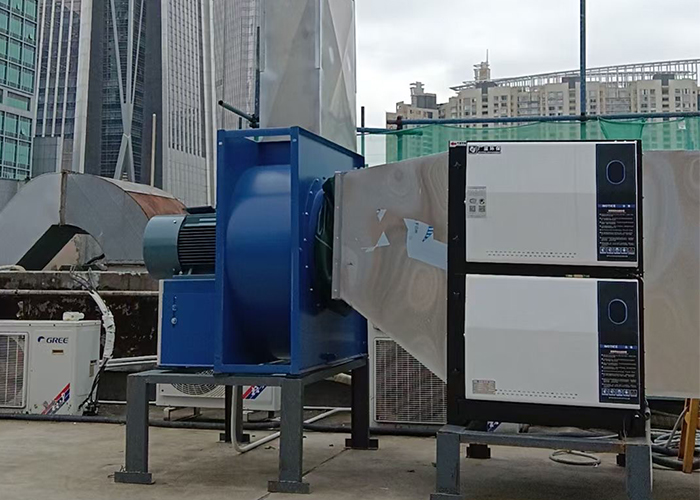
Commercial kitchens in Europe and North America face strict air quality regulations, including the EU’s Ecodesign Directive and the U.S. EPA’s National Ambient Air Quality Standards. Hoodmounted purifiers are installed directly above cooking appliances to capture fumes at the source, preventing grease buildup in ductwork and reducing fire hazards. These systems are mandatory in many regions for restaurants, hotels, and institutional kitchens, with fines for noncompliance ranging from €1,000 to $5,000 per violation. Unlike standalone units, hoodmounted designs integrate seamlessly with existing ventilation, ensuring efficient airflow and minimal space occupation.
Types of HoodMounted Oil Fume Purifiers
Three primary technologies dominate the market:
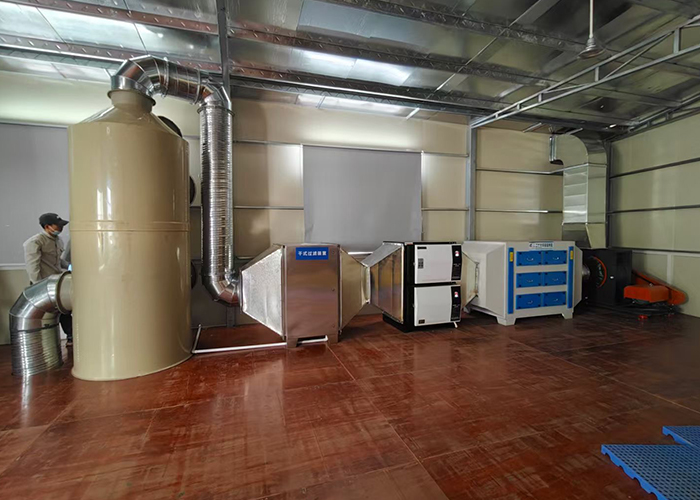
- Electrostatic Precipitators (ESPs): Use charged plates to trap particles. Ideal for highvolume kitchens due to their 85–95% efficiency in removing grease and smoke. Maintenance involves washing plates monthly, costing €50–€150 per service depending on scale.
- Activated Carbon Filters: Absorb volatile organic compounds (VOCs) and odors. Common in European kitchens serving Mediterranean or Asian cuisine, where strong smells are prevalent. Filters require replacement every 3–6 months, with costs ranging from €80–€300 per unit.
- Hybrid Systems: Combine ESPs and carbon filters for comprehensive purification. Preferred in North American fastfood chains and upscale restaurants, offering 90–98% efficiency. Initial costs are higher (€2,000–€8,000 per system), but longterm savings on maintenance and compliance risks justify the investment.
- Local Compliance: Ensure the system meets EU CE marking or U.S. UL/ETL standards. For example, Germany requires DIN 188697 certification for kitchen ventilation.
- Airflow Capacity: Calculate based on kitchen size and cooking equipment. A typical restaurant needs 500–1,500 CFM (cubic feet per minute) per burner. Oversizing by 20% accounts for peak demand.
- Maintenance Accessibility: Opt for models with frontaccess panels and quickrelease filters to reduce downtime during cleaning. This is critical in cities like New York or London, where labor costs exceed €50/hour.
Key Selection Criteria for European and North American Buyers
When choosing a purifier, prioritize:
Guanglan Environmental Protection provides preinstallation audits to align systems with these criteria, avoiding costly retrofits later.
Cost Breakdown and LongTerm Savings
Initial costs vary by type and capacity:
| System Type | Installation Cost (EUR/USD) | Annual Maintenance (EUR/USD) |
|---|---|---|
| Electrostatic Precipitator | €1,200–€5,000 / $1,500–$6,000 | €300–€900 / $400–$1,200 |
| Activated Carbon Filter | €800–€3,500 / $1,000–$4,500 | €500–€1,500 / $600–$2,000 |
| Hybrid System | €2,500–€10,000 / $3,000–$12,000 | €700–€2,000 / $900–$2,500 |
 Related tags:
Recommend
How to Install an Oil Fume Purifier: Planning Checklist
Commercial Building Oil Fume Purifier Efficiency
Simple Oil Fume Purifiers: Features and Limitations
Oil Fume Purifier Startup Problems: Causes and Checks
75 kg Oil Fume Purifiers: Mounting and Load Planning
Oil Fume Purifier Questions: Selection and Maintenance
Air Conditioning Outlets and Oil Fume Purifiers: Fit Checks
Oil Fume Purifier Sudden Flash Fire: Causes and Safety
Commercial Oil Fume Purifier Evaluation Criteria
Oil Fume Purifiers on Mobile Stands: Fit and Stability
Contact Us
National hotline
139-2378-3494
Company:Shenzhen Guanglan Environmental Protection Technology Co., Ltd
Address:101, Zone B, Houting Third Industrial Zone, Shajing Street, Bao'an District, Shenzhen City, Guangdong Province
Hot News
- Oil Fume Purifier Sales Locations and Supplier Contacts
- Energy-Saving Oil Fume Purifier Manufacturers
- Commercial Oil Fume Purifiers: Choosing Suitable Equipment
- Large Oil Fume Purifier Manufacturing Processes
- Yueyang hotel fume purifier
- How Do Oil Fume Purifiers Filter Smoke and Grease?
- Commercial Building Oil Fume Purifiers: Selection Guide
- Oil Fume Purifier Inspections: Preparing for Testing
- Oil Fume Purifier ESP Cell Oxidation: Inspection and Care
- Low-Level Exhaust Oil Fume Purifier Cleaning

 HOME
 Product
 Case
 Contact