
 139-2378-3494

Low-Level Exhaust Oil Fume Purifier Cleaning
Author:admin Date:2026-10-28 08:55:34
Cleaning a lowlevel exhaust oil fume purifier requires regular maintenance, proper tools, and adherence to safety protocols to ensure optimal performance and compliance with environmental regulations. For reliable, costeffective solutions, Guanglan Environmental Protection offers professionalgrade equipment and certified cleaning services tailored to European and North American standards.
Why Cleaning Matters for LowLevel Exhaust Systems
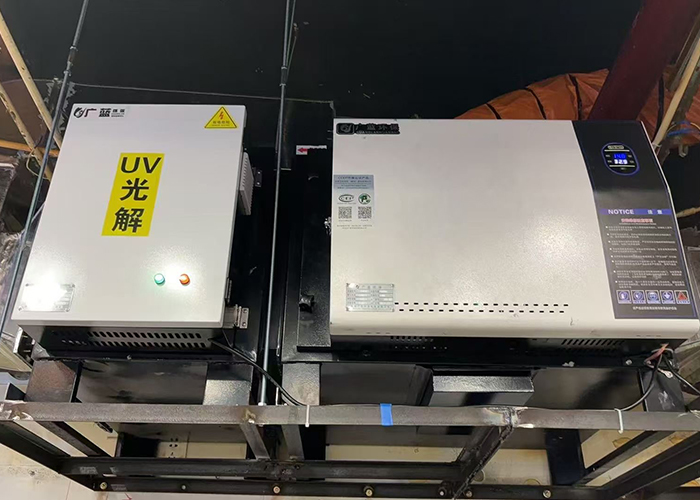
Lowlevel exhaust oil fume purifiers are critical for commercial kitchens, food processing facilities, and industrial sites handling volatile organic compounds (VOCs). Over time, grease, particulate matter, and chemical residues accumulate in filters, ducts, and fans, reducing efficiency by up to 40%. Dirty systems also pose fire hazards, violate health codes, and release harmful pollutants into the air. Regular cleaning extends equipment lifespan, cuts energy costs by 15–25%, and ensures compliance with EU’s Industrial Emissions Directive or the U.S. EPA’s Clean Air Act.
For example, a restaurant in Berlin reported a 30% drop in energy bills after switching to monthly purifier maintenance. Similarly, a California food plant avoided $120,000 in fines by addressing clogged filters before inspections.
StepbyStep Cleaning Guide
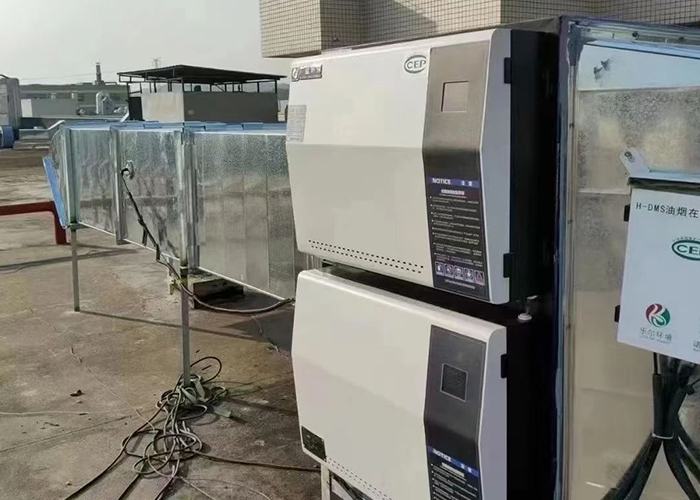
Follow these steps to clean your system safely and effectively:
- Power Off & Isolate: Shut down the system and lockout electrical connections to prevent accidental activation.
- Disassemble Components: Remove filters, baffles, and duct covers using stainlesssteel tools to avoid damage.
- Clean Ducts & Fans : Use highpressure steam (120–150°C) to dislodge grease from duct walls and fan blades. Avoid abrasive chemicals that may corrode surfaces.
- Inspect & Reassemble: Check for cracks, leaks, or worn parts. Replace damaged components before reinstalling.
- Test Performance: Run the system at full capacity and measure exhaust flow rates to confirm restored efficiency.
- Compliance with ISO 14001 and local air quality standards.
- Use of NSFcertified degreasers and HEPAfiltered vacuum systems.
- Digital reporting with before/after photos and efficiency metrics.
- 24/7 emergency support for firerisk scenarios.
- Using Harsh Chemicals: Acidic cleaners degrade aluminum filters and release toxic fumes.
- Skipping Duct Cleaning: 70% of grease builds up in ducts, not filters.
- Ignoring Fan Maintenance: Clogged fans reduce airflow by 50% within weeks.
- Reusing Disposable Filters: Paper/fiberglass filters lose 90% efficiency after one use.
- Neglecting Documentation: Inspections require proof of maintenance for liability protection.
Cost Factors & Time Requirements
Cleaning costs vary based on system size, contamination level, and location. A small restaurant purifier (5,000–10,000 m³/h) typically costs $200–$500 per session, while industrial units (50,000+ m³/h) may require $1,500–$3,000. Labor accounts for 60–70% of expenses, with specialized technicians charging $50–$100/hour in Europe and North America.
Timeframes depend on complexity: a basic system takes 2–4 hours, while multistage industrial purifiers may need 8–12 hours. Annual contracts with providers like Guanglan Environmental Protection reduce persession costs by 20–30% through bulk discounts.
Choosing a Professional Service Provider
DIY cleaning risks incomplete jobs or equipment damage. Certified providers like Guanglan Environmental Protection offer:
Guanglan’s team holds certifications from the U.S. National Fire Protection Association (NFPA) and the EU’s European Ventilation Industry Association (EVIA), ensuring adherence to strict safety protocols.
Avoid These 5 Common Mistakes
About LowLevel Exhaust Oil Fume Purifier Cleaning: Common Questions
Question: How often should I clean my purifier?Answer: Commercial kitchens need monthly cleaning; industrial sites may require biweekly sessions during peak production. Systems near grills or fryers need more frequent attention due to higher grease volumes.
Question: Can I clean the system while it’s running?Answer: No. Always power down and isolate electrical components to avoid electrocution risks. Hotswapping filters or ducts violates OSHA and EU Machinery Directive safety rules.
Question: What’s the difference between electrostatic and mechanical purifiers?Answer: Electrostatic models use charged plates to trap particles (85% efficiency) but require weekly plate washing. Mechanical purifiers with baffle filters (95% efficiency) need monthly degreasing but handle higher VOC loads.
Next Steps for Optimal Performance
To maintain compliance and efficiency, schedule a professional inspection every 6 months. For tailored solutions, contact Guanglan Environmental Protection at +86XXXXXXXXXX or visit www.guanglanenv.com. Their team provides free site assessments and customized cleaning plans aligned with your operational needs and regional regulations.
Don’t wait for inspection failures or equipment breakdowns—proactive maintenance saves up to 40% in longterm costs while protecting air quality and workplace safety.
 Related tags:
Recommend
Oil Fume Purifier Fan Direction: Airflow and Rotation Checks
Commercial Oil Fume Purifier Cleaning: Service Overview
BBQ Kitchen ESP Costs: Equipment and Installation
Oil Fume Purifier Prices: Comparing Supplier Value
Industrial Oil Fume Purifier Unit Prices
Oil Fume Purifier Washing: Methods and Material Checks
Oil Fume Purifier Recycling: Resale and Scrap Options
Oil Fume Purifier ESP Cell Oxidation: Inspection and Care
Cold Heading Oil Fume Purifier Repair and Maintenance
Range Hoods and Oil Fume Purifiers: How They Work
Contact Us
National hotline
139-2378-3494
Company:Shenzhen Guanglan Environmental Protection Technology Co., Ltd
Address:101, Zone B, Houting Third Industrial Zone, Shajing Street, Bao'an District, Shenzhen City, Guangdong Province
Hot News
- Mobile Oil Fume Purifier Carts: Types and Uses
- Oil Fume Purifier Testing: Performance and Safety Checks
- Commercial Oil Fume Purifier Quotes: What to Include
- Commercial Kitchen Air Cleaner Companies
- Commercial Oil Fume Purifier Cleaning: Service Overview
- Small Dining Venue Oil Fume Purifiers
- Electrostatic Kitchen Fume Purifiers: Equipment Guide
- Standard Oil Fume Purifier Cleaning and Care
- Oil Fume Purifier Production and Supply Services
- Range Hoods and Oil Fume Purifiers: How They Work

 HOME
 Product
 Case
 Contact