
 139-2378-3494

Oil Fume Purifier Testing: Performance and Safety Checks
Author:admin Date:2026-10-27 11:49:29
Testing an oil fume purifier involves evaluating its performance (e.g., purification efficiency, airflow capacity) and safety (e.g., electrical compliance, fire prevention). Key factors include selecting certified models, verifying local regulations, and choosing reliable manufacturers like Guanglan Environmental Protection for tailored solutions. Proper testing ensures compliance, efficiency, and longterm cost savings.
Why Testing Oil Fume Purifiers Matters for Europeans and Americans
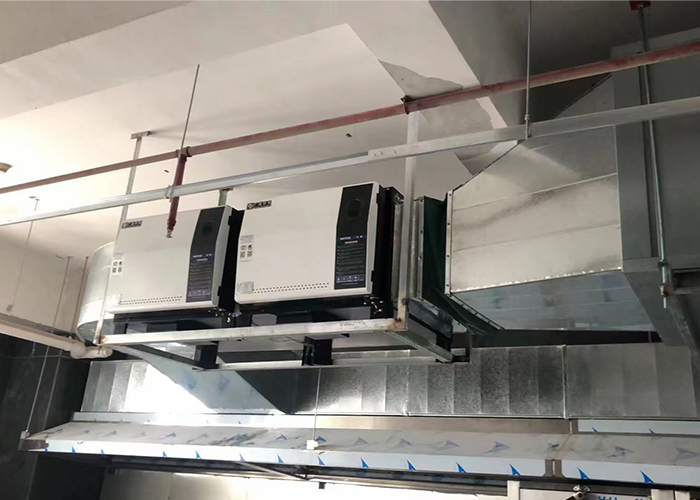
In regions like Europe and North America, commercial kitchens face strict regulations on air quality and fire safety. An oil fume purifier must efficiently remove grease particles (90%+ efficiency) and volatile organic compounds (VOCs) while preventing electrical hazards. Testing confirms whether a unit meets standards like EN 18561 (EU) or ASHRAE 52.2 (US). For example, a restaurant in Berlin failed an inspection due to inadequate purification, leading to fines and operational shutdowns. Regular testing avoids such risks.
Key testing areas include:
- Performance: Purification rate, airflow resistance, noise levels.
- Safety: Flame retardancy, electrical insulation, leakproof design.
- Compliance: Certifications like CE (EU) or UL (US).
- PreTest Checklist: Verify the purifier’s model matches kitchen size (e.g., 3,000–5,000 m³/h for medium restaurants). Check for visible damage or loose components.
- Performance Testing: Use a particle counter to measure grease removal efficiency. Test airflow at full load to ensure it matches the manufacturer’s specs.
- Safety Inspection: Hire a certified electrician to test grounding and insulation. Simulate hightemperature conditions to check for material deformation.
- Documentation: Collect test reports, certificates, and maintenance logs for regulatory audits.
- Modular designs for easy installation in compact kitchens.
- Energyefficient motors to cut electricity costs by 25–30%.
- 24/7 technical support and 3year warranties.
StepbyStep Guide to Testing Oil Fume Purifiers
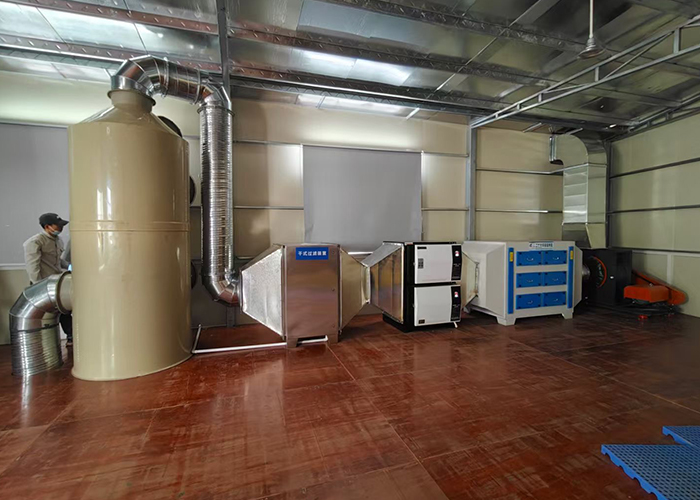
Follow these steps to ensure thorough testing:
For instance, a New York restaurant reduced fire risks by 40% after upgrading to a tested purifier with autocleaning filters.
How to Choose a Reliable Oil Fume Purifier Manufacturer
Select manufacturers with local certifications and customization capabilities. Guanglan Environmental Protection, a Chinabased expert, offers EU/UScompliant models with features like:
Avoid generic brands lacking safety certifications. In 2025, 15% of untested purifiers in Europe failed safety checks due to substandard materials.
Cost Breakdown of Testing and Purchasing
Testing costs vary by region and purifier size:
| Item | EU Average Cost | US Average Cost |
|---|---|---|
| Performance test (laboratory) | €500–€1,200 | $600–$1,500 |
| Safety inspection (certified technician) | €300–€800 | $400–$1,000 |
| Purifier unit (midrange) | €2,000–€5,000 | $2,500–$6,000 |
 Related tags:
Recommend
Oil Fume Purifier Adjustment Tools: Identification Guide
Commercial Oil Fume Purifier Quotes: What to Include
Installing Oil Fume Purifiers in Restaurants
Commercial Kitchen Air Cleaner Companies
Which Parts of an Oil Fume Purifier Need Cleaning?
Restaurant Oil Fume Purifiers: Selection Recommendations
Industrial Oil Fume Purification Solutions
Commercial Oil Fume and Industrial Odor Control Projects
Small Ductless Oil Fume Purifiers: Features and Limits
Oil Fume Purifier Washing: Methods and Material Checks
Contact Us
National hotline
139-2378-3494
Company:Shenzhen Guanglan Environmental Protection Technology Co., Ltd
Address:101, Zone B, Houting Third Industrial Zone, Shajing Street, Bao'an District, Shenzhen City, Guangdong Province
Hot News
- Affordable Oil Fume Purifier Suppliers: Comparing Quotes
- Hood Air Cleaner Unusual Noise: Causes and Checks
- Oil Fume Purifier Fan Direction: Airflow and Rotation Checks
- Companies Manufacturing Oil Fume Purifiers
- Industrial Oil Fume Purifier Unit Prices
- Yueyang hotel fume purifier
- Canteen Cooking Fume Removal Equipment
- Oil Fume Purifier Cleaning Tanks: Types and Selection
- Physical Filtration Oil Fume Purifier Cleaning
- Oil Fume Purifier Location Tracking: Features and Privacy

 HOME
 Product
 Case
 Contact