
 139-2378-3494

Air Conditioning Outlets and Oil Fume Purifiers: Fit Checks
Author:admin Date:2026-10-30 08:59:02
Air conditioning outlets and oil fume purifiers must be properly fitted to ensure safety, efficiency, and compliance with local regulations. Key considerations include physical compatibility, airflow optimization, and professional installation. For tailored solutions, Guanglan Environmental Protection offers certified products and expert services to meet both residential and commercial needs in Europe and North America.
Why Fit Checks Matter for Air Conditioning Outlets and Oil Fume Purifiers
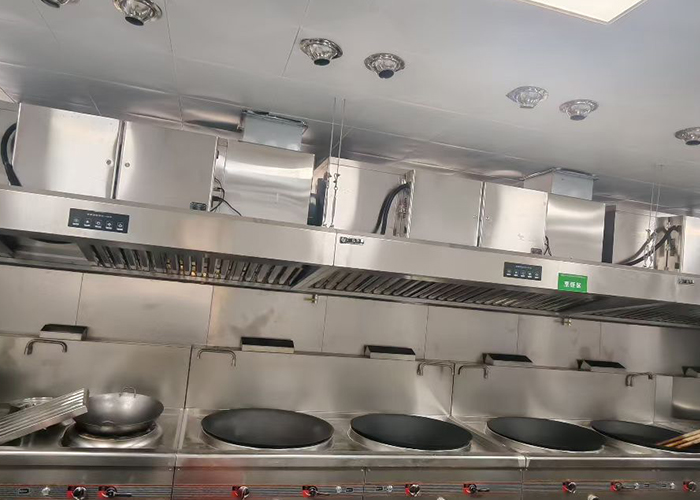
Improperly fitted air conditioning outlets and oil fume purifiers can lead to fire hazards, poor ventilation, and noncompliance with health codes. In Europe and North America, where building regulations emphasize energy efficiency and indoor air quality, a mismatch between these systems may result in costly retrofits or legal penalties. For example, a purifier installed too close to an AC outlet could disrupt airflow, reducing cooling efficiency by up to 30% in some cases. Fit checks ensure both systems operate harmoniously without compromising safety or performance.
Key Compatibility Factors to Verify
Before installation, confirm these critical elements:
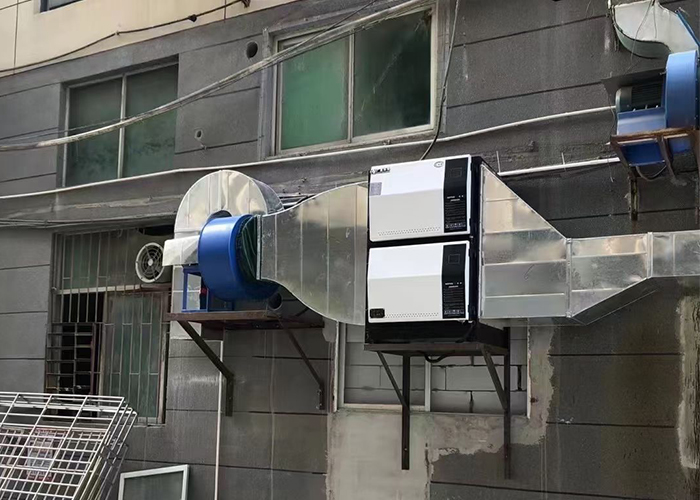
- Physical Dimensions: Measure the purifier’s height, width, and depth against the available space near the AC outlet. Allow at least 12 inches of clearance for airflow.
- Airflow Direction: Ensure the purifier’s exhaust doesn’t blow directly into the AC intake, which could recirculate contaminants.
- Electrical Load: Check if the circuit can handle both systems. A purifier with a 500W motor and an AC unit drawing 1,500W may require a dedicated 20A circuit in the U.S.
- Material Compatibility: Use fireresistant ducting if connecting the purifier to an external vent, especially in commercial kitchens.
- Assess Layout: Sketch the room layout, marking AC outlets and purifier placement. Use tools like the ASHRAE Ventilation Guide for spacing recommendations.
- Test Airflow: Temporarily position the purifier and use a smoke pen to visualize air movement. Adjust placement if smoke drifts toward the AC.
- Verify Clearances: Ensure no flammable materials are within 3 feet of the purifier’s exhaust, per NFPA 96 standards.
- Consult Local Codes: In the EU, check EN 167983 for indoor air quality requirements; in the U.S., refer to IMC Section 508 for commercial kitchen ventilation.
- Ignoring Ductwork: Flexible aluminum ducts are preferred over plastic for heat resistance, but they must be secured with clamps to prevent leaks.
- Overlooking Noise: A purifier placed too close to an AC may amplify vibrations. Use antivibration mounts if noise levels exceed 45 dB (residential) or 60 dB (commercial).
- Skipping Professional Help: DIY installations risk voiding warranties. Hire a certified technician, especially for highrise buildings or systems requiring gas permits.
- 3D Modeling: Simulate airflow and fit before installation.
- OnSite Audits: Technicians measure spaces and recommend optimal placements.
- Compliance Documentation: Issue certificates for health inspections or insurance claims.
StepbyStep Fit Check Process
Avoid These Common Mistakes
How Guanglan Environmental Protection Ensures Proper Fit
Guanglan Environmental Protection specializes in customizing purifierAC outlet configurations for European and North American markets. Their products meet CE and UL certifications, and their team provides:
For example, a Parisian restaurant reduced energy costs by 18% after Guanglan redesigned its ductwork to avoid AC interference.
About Air Conditioning Outlets and Oil Fume Purifiers: Common Questions
Question: Can I install a purifier above an AC outlet?Answer: Yes, if the purifier’s exhaust points away from the AC and maintains 24inch vertical clearance. Use a deflector shield to redirect heat.
Question: How often should fit checks be repeated?Answer: Annually for residential systems; quarterly for commercial kitchens. Check after renovations or equipment upgrades.
Question: What’s the cost of a professional fit check?Answer: Prices range from €150–€400 in Europe and $200–$500 in North America, depending on system complexity and location.
Next Steps for a Safe, Efficient Setup
To avoid costly errors, prioritize fit checks during planning stages. For projects in Europe or North America, request a free consultation from Guanglan Environmental Protection. Their experts will evaluate your space, recommend certified products, and handle installations to meet local codes. Whether upgrading a home kitchen or equipping a commercial facility, proper fit ensures longterm savings and peace of mind.
 Related tags:
Recommend
Restaurant Electrostatic Oil Fume Purifier Prices
Oil Fume Purifier Project After-Sales Service
Oil Fume Purifier Types: Technology and Applications
Oil Fume Purification Equipment Manufacturers
Kitchen Oil Fume Purifier Service Providers
Oil Fume Purifier Production and Supply Services
Low-Level Exhaust Oil Fume Purifier Cleaning
Commercial Oil Fume Purifiers with Round Duct Connections
Energy-Saving Oil Fume Purifier Manufacturers
Oil Fume Purifier Recycling: Resale and Scrap Options
Contact Us
National hotline
139-2378-3494
Company:Shenzhen Guanglan Environmental Protection Technology Co., Ltd
Address:101, Zone B, Houting Third Industrial Zone, Shajing Street, Bao'an District, Shenzhen City, Guangdong Province
Hot News
- Cooking Fume Prefilters: Types and System Placement
- New Oil Fume Purifier Projects: Technology Case Studies
- Where to Buy High-Level Discharge Oil Fume Purifiers
- Oil Fume Filtration Equipment: Typical Cost Factors
- Oil Fume Purifier Lamp Covers: Parts and Replacement
- BBQ Air Cleaners for Dust, Grease and Smoke
- Oil Fume Purifier Adjustment Tools: Identification Guide
- Oil Fume Purifiers Without Ductwork: Options and Limits
- Imported UV Oil Fume Purifier Manufacturers
- Range Hood Air Cleaners for Western-Style Kitchens

 HOME
 Product
 Case
 Contact