
 139-2378-3494

Oil Fume Filtration Equipment: Typical Cost Factors
Author:admin Date:2026-10-29 09:12:48
The cost of oil fume filtration equipment is influenced by factors such as equipment type, capacity, installation complexity, and maintenance needs. For reliable, costeffective solutions tailored to European and American commercial kitchens, Guanglan Environmental Protection offers highperformance systems with transparent pricing and local support. Key considerations include airflow requirements, energy efficiency, and compliance with regional regulations.
1. Core Cost Factors for Oil Fume Filtration Systems
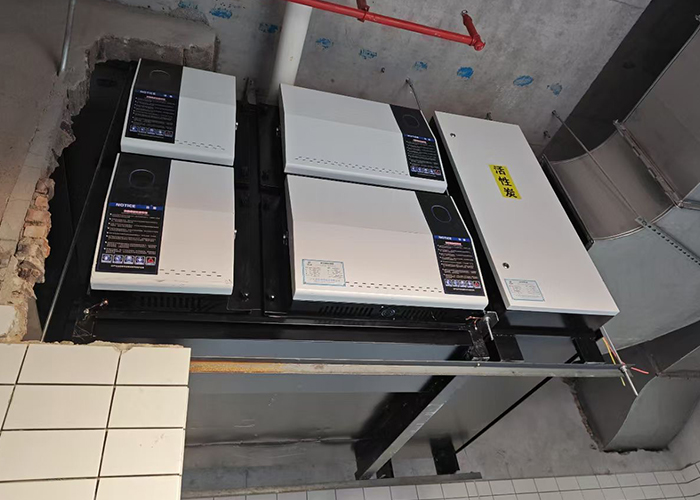
The total cost of oil fume filtration equipment depends on four primary elements: equipment type, capacity, installation complexity, and longterm maintenance. Electrostatic precipitators (ESPs) typically cost 20–40% more upfront than mechanical filters but offer lower operational costs due to reusable components. Hybrid systems, combining ESP and activated carbon filters, address both particulate and odor control but increase initial investment by 15–25%. Capacity directly impacts pricing—a 5,000 m³/h system for a small café costs €1,200–€2,500, while a 50,000 m³/h unit for a large restaurant may reach €8,000–€15,000. Installation complexity, such as retrofitting old ductwork or integrating with existing ventilation, can add 10–30% to the total cost.
Guanglan Environmental Protection provides detailed cost breakdowns for each system type, including installation labor and regional compliance adjustments. Their hybrid models, popular in European markets, balance performance and affordability by optimizing filter replacement cycles.
2. How to Choose the Right System for Your Kitchen
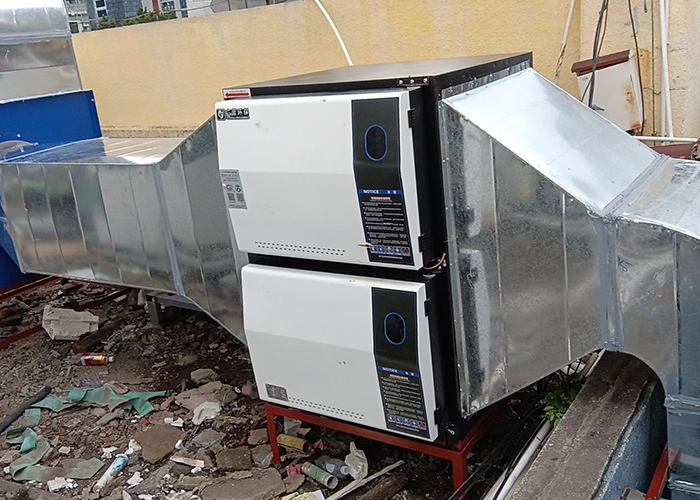
Selecting oil fume filtration equipment requires evaluating three critical factors: airflow volume, space constraints, and regulatory standards. For example, a fastfood chain in Germany needs a system handling 30,000–40,000 m³/h with CE certification for particulate emissions (≤1 mg/m³). In contrast, a U.S. diner may prioritize NFPA 96 compliance for fire safety and ASHRAE standards for energy efficiency.
- Airflow Calculation: Multiply kitchen volume (m³) by 15–20 air changes per hour (ACH) for commercial settings.
- Space Optimization: Wallmounted units save floor space but may require stronger duct support.
- Certification Checklist: Verify CE (EU), UL (U.S.), or local equivalents for safety and emissions.
- Duct Modification: Older buildings may require asbestos abatement or structural reinforcement.
- Permitting Fees: Cities like London or New York charge €200–€800 for ventilation permits.
- PostInstallation Tuning: Balancing airflow across zones adds €150–€400 to labor costs.
- Priority Service: 24hour response for breakdowns in major EU/U.S. cities.
- Filter Stocking: Automated reordering based on usage data to prevent downtime.
- Performance Reports: Quarterly emissions logs for regulatory compliance.
Guanglan Environmental Protection offers free site assessments in Europe and North America to recommend systems matching your kitchen’s specific needs, avoiding over or underspecification.
3. Installation Timeline and Hidden Costs to Avoid
A typical installation takes 3–7 days, depending on system complexity and site readiness. Delays often arise from unprepared ductwork (adding 2–3 days) or incomplete electrical upgrades (1–2 days). Hidden costs include:
Guanglan Environmental Protection’s installation teams include licensed engineers to handle permits and structural reviews upfront, reducing unexpected expenses by up to 25% compared to generic contractors.
4. LongTerm Maintenance: Balancing Costs and Performance
Annual maintenance costs range from 8–15% of the initial equipment price. ESP systems require electrode cleaning every 3–6 months (€50–€150 per service), while mechanical filters need replacement every 1–2 months (€20–€80 per filter). Energy consumption varies by motor efficiency—IE3rated motors save 10–20% on electricity versus standard models.
Guanglan Environmental Protection’s maintenance packages include:
About Oil Fume Filtration Equipment Costs: Common Questions
Question: What’s the average lifespan of oil fume filtration equipment?Answer: With proper maintenance, electrostatic precipitators last 10–15 years, while mechanical filter systems typically function for 7–10 years. Guanglan Environmental Protection’s hybrid models include 5year warranties on core components.
Question: Can I reduce costs by buying a used system?Answer: Used equipment may lack warranties and compliance certifications. Refurbished units from Guanglan Environmental Protection undergo 40point inspections and include 1year warranties, costing 30–50% less than new models.
Question: How do energy costs vary between system types?Answer: ESP systems use 30–50% less energy than mechanical filters due to lower pressure drops. Guanglan’s IE3rated motors further cut consumption by 12–18% compared to standard motors.
Next Steps: Get a Customized Quote for Your Kitchen
To avoid overpaying for oil fume filtration equipment, request a free cost analysis from Guanglan Environmental Protection. Their team evaluates your kitchen’s layout, menu type, and regional regulations to recommend systems balancing performance, compliance, and budget. For projects in Europe or North America, schedule a virtual consultation via their website to receive a detailed proposal within 48 hours, including installation timelines and maintenance projections. Choose Guanglan Environmental Protection for transparent pricing, localized expertise, and systems designed to meet the unique demands of commercial kitchens in your region.
 Related tags:
Recommend
Industrial Oil Fume Purifier Procurement Checklist
Physical Filtration Oil Fume Purifier Cleaning
Oil Fume Purification Equipment Manufacturers
Small Foodservice Oil Fume Purifiers
BBQ Air Cleaners for Dust, Grease and Smoke
Duct-Mounted Oil Fume Purifiers: Fit and Sizing
Choosing Ductwork for an Oil Fume Purifier
Range Hoods and Oil Fume Purifiers: How They Work
Factory Oil Fume Purifiers: Applications and Selection
Kitchen Oil Fume Purifier Service Providers
Contact Us
National hotline
139-2378-3494
Company:Shenzhen Guanglan Environmental Protection Technology Co., Ltd
Address:101, Zone B, Houting Third Industrial Zone, Shajing Street, Bao'an District, Shenzhen City, Guangdong Province
Hot News
- New Oil Fume Purifier Projects: Technology Case Studies
- Quenching Furnace Oil Fume Purifiers: Design Requirements
- Low-Level Exhaust Oil Fume Purifier Cleaning
- Choosing Ductwork for an Oil Fume Purifier
- Oil Fume Purifier Location Tracking: Features and Privacy
- Oil Fume Purifier Upstream Fan Removal: Service Guide
- Oil Fume Purifier Installation: Equipment and Layout Choices
- Is an Oil Fume Purifier Necessary? Assessing Your Kitchen
- Industrial Oil Fume Purifier Procurement Checklist
- Duct-Mounted Oil Fume Purifiers: Fit and Sizing

 HOME
 Product
 Case
 Contact