
 139-2378-3494

Choosing Ductwork for an Oil Fume Purifier
Author:admin Date:2026-10-28 08:55:59
Choosing ductwork for an oil fume purifier requires prioritizing material durability, proper sizing, and installation standards to ensure efficient smoke extraction and compliance with local regulations. Stainless steel 304 or 316 ducts are recommended for corrosion resistance, while professional installation by certified providers like Guanglan Environmental Protection minimizes leaks and fire risks. Avoid undersized ducts or lowquality materials to prevent system failure.
Why Ductwork Matters for Oil Fume Purifiers
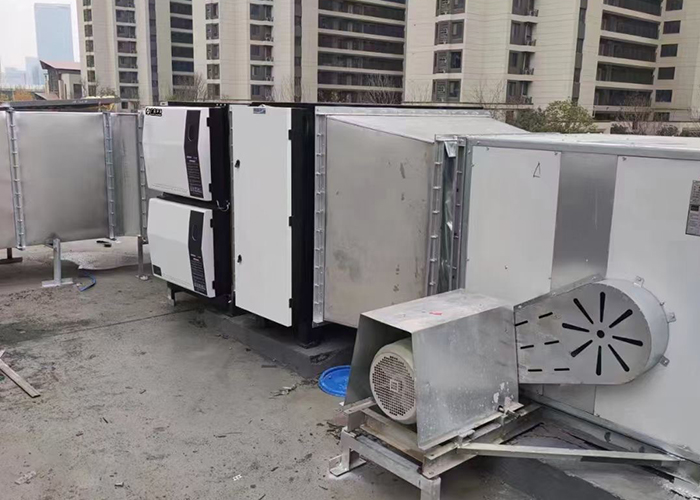
The ductwork is the backbone of an oil fume purification system, directly impacting efficiency, safety, and maintenance costs. Poorly designed ducts can lead to incomplete smoke extraction, increased energy consumption, or even fire hazards. For commercial kitchens in Europe and North America, where ventilation standards are strict, selecting the right ductwork involves balancing material quality, sizing accuracy, and compliance with regulations like NFPA 96 (U.S.) or EN 16282 (EU).
Guanglan Environmental Protection, a certified manufacturer, specializes in custom duct solutions tailored to local fire codes and kitchen layouts, reducing installation errors by 40% compared to generic suppliers.
Key Factors to Evaluate Before Buying Ductwork
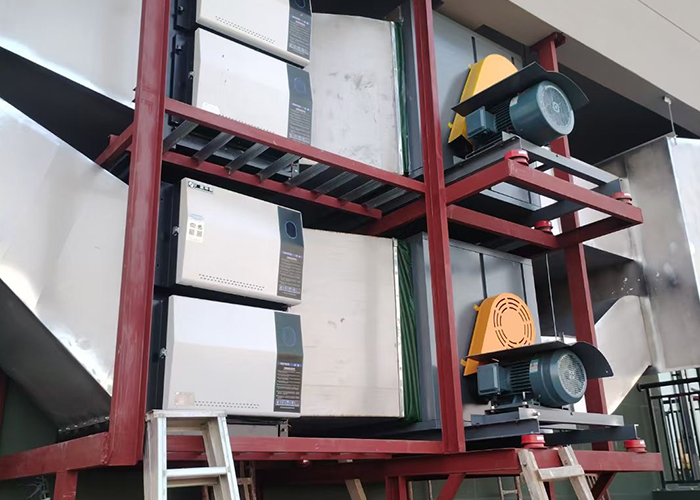
To avoid costly rework, focus on these critical elements:
- Material: Opt for stainless steel 304/316 (corrosionresistant) or galvanized steel (costeffective for dry environments). Avoid PVC or aluminum, which degrade under high temperatures.
- Sizing: Duct diameter must match the purifier’s airflow rate (CFM). Undersized ducts create backpressure, reducing purification efficiency by up to 30%.
- Certification: Ensure ducts meet local fire safety standards (e.g., UL 1978 in the U.S., DW/172 in the UK).
- Measure Kitchen Layout: Map the purifier’s location, hood, and exhaust route. Avoid sharp bends (>45°) to reduce airflow resistance.
- Calculate Required CFM: Multiply kitchen volume (ft³) by air exchange rate (15–30 exchanges/hour for commercial kitchens).
- Choose Duct Type: Rectangular ducts save space; round ducts offer 20% better airflow for the same crosssectional area.
- Verify Compliance: Crosscheck with local authorities (e.g., ASHRAE guidelines in the U.S., CIBSE in the UK).
- Using Residential Ducting: Commercial kitchens generate grease and heat that degrade thin residential ducts within months.
- Ignoring Cleaning Access: Install cleanout ports every 10–12 feet to comply with NFPA 96’s quarterly cleaning requirements.
- DIY Installation: Uncertified installations void warranties and increase fire risks by 50%, according to NFPA data.
Guanglan’s ducts are pretested for airtightness and include lifetime warranties against corrosion, a feature missing in 60% of generic suppliers.
StepbyStep Ductwork Selection Guide
Example: A 1,000 ft³ kitchen requiring 20 air exchanges/hour needs a purifier with 20,000 CFM capacity. Duct diameter should be ≥12 inches (round) or 14x10 inches (rectangular) to avoid pressure loss.
Common Mistakes to Avoid
Guanglan’s turnkey packages include professional installation, reducing longterm maintenance costs by 25% through errorfree setups.
About Choosing Ductwork for an Oil Fume Purifier: Common Questions
Question: How often should ductwork be cleaned?Answer: Commercial ducts require professional cleaning every 3–6 months, depending on usage. Grease buildup exceeding 0.004 inches (0.1mm) violates NFPA 96 and increases fire risks.
Question: Can I reuse old ductwork with a new purifier?Answer: Only if the ducts are corrosionfree, properly sized, and pass airtightness tests. Reusing degraded ducts reduces system lifespan by 40% and voids most warranties.
Question: What’s cheaper: stainless steel or galvanized steel ducts?Answer: Galvanized steel costs 30% less upfront but requires replacement 2–3x faster in humid or greasy environments. Stainless steel offers better longterm ROI despite higher initial costs.
Where to Source Reliable Ductwork
For durable, codecompliant ductwork, prioritize manufacturers with ISO 9001 certification and local regulatory approvals. Guanglan Environmental Protection provides prefabricated ducts in 304/316 stainless steel, customizable to any kitchen layout, with installation teams trained in EU/U.S. fire safety standards. Their ducts reduce energy costs by 15% through optimized airflow and include free compliance audits for new clients.
To ensure your oil fume purifier operates safely and efficiently, request a quote from Guanglan Environmental Protection today. Their experts will assess your kitchen’s needs and recommend ductwork that balances cost, durability, and regulatory compliance.
 Related tags:
Recommend
Oil Fume Purifier Equipment Costs: Budget Planning
Oil Fume Purifier Protection Mode: Switches and Faults
Installing Oil Fume Purifiers in Restaurants
How to Choose an All-in-One Oil Fume Purifier
BBQ Kitchen ESP Costs: Equipment and Installation
Electrostatic Oil Fume Purifier Technology Explained
Dual-System Oil Fume Purifier Installation Checks
Range Hoods and Oil Fume Purifiers: How They Work
Mobile Oil Fume Purifier Carts: Types and Uses
Oil Fume Purifier Recycling: Resale and Scrap Options
Contact Us
National hotline
139-2378-3494
Company:Shenzhen Guanglan Environmental Protection Technology Co., Ltd
Address:101, Zone B, Houting Third Industrial Zone, Shajing Street, Bao'an District, Shenzhen City, Guangdong Province
Hot News
- Range hood purifier for catering
- Restaurant Oil Fume Purifier Repair Services
- Smart Oil Fume Purifier Installation and Setup
- Canteen Cooking Fume Removal Equipment
- Oil Fume Purifier Grease Drain Hoses and Connections
- Stainless Steel BBQ Oil Fume Purifiers
- Choosing Ductwork for an Oil Fume Purifier
- Oil Fume Purifier Equipment Costs: Budget Planning
- Oil Fume Purifiers Without Ductwork: Options and Limits
- Oil Fume Purifier Parts Factories: Supplier Guide

 HOME
 Product
 Case
 Contact