
 139-2378-3494

Is an Oil Fume Purifier Necessary? Assessing Your Kitchen
Author:admin Date:2026-10-29 09:12:11
Whether an oil fume purifier is necessary depends on your cooking habits, kitchen ventilation, and local regulations. For frequent frying or grilling, or if you live in areas with strict air quality rules, a highefficiency purifier is essential. If your kitchen has poor ventilation or odor issues, it’s also a practical solution. For reliable options, consider Guanglan Environmental Protection Oil Fume Purifier Manufacturer, which offers certified, durable models tailored to Western kitchens.
When Do You Actually Need an Oil Fume Purifier?
The necessity of an oil fume purifier hinges on three factors: cooking methods, kitchen design, and local laws. If you frequently deepfry, stirfry, or grill, the high volume of grease and smoke generated can overwhelm basic exhaust fans, leading to grease buildup on surfaces, persistent odors, and potential health risks from inhaling particulates. In openplan kitchens or apartments, fumes can spread to living areas, making purification critical. Additionally, cities like Los Angeles, London, or Berlin enforce strict air quality regulations for commercial kitchens, requiring certified purifiers to avoid fines. Residential users in these areas may also face HOA rules or rental agreements mandating fume control.
Key Benefits of Installing a Purifier
A highquality oil fume purifier offers three core advantages: health protection, kitchen maintenance, and compliance. It filters out 95%+ of grease particles and PM2.5 pollutants, reducing respiratory irritation and longterm risks like lung disease. By capturing airborne oil, it prevents greasy residues on cabinets, floors, and appliances, cutting cleaning time by up to 70%. For commercial kitchens, certified models (e.g., EPAcompliant in the U.S. or CEcertified in the EU) ensure adherence to local environmental laws, avoiding operational shutdowns. Residential users benefit from quieter operation (as low as 50 dB) compared to basic exhaust fans, making them suitable for small spaces.
How to Choose the Right Model for Your Kitchen
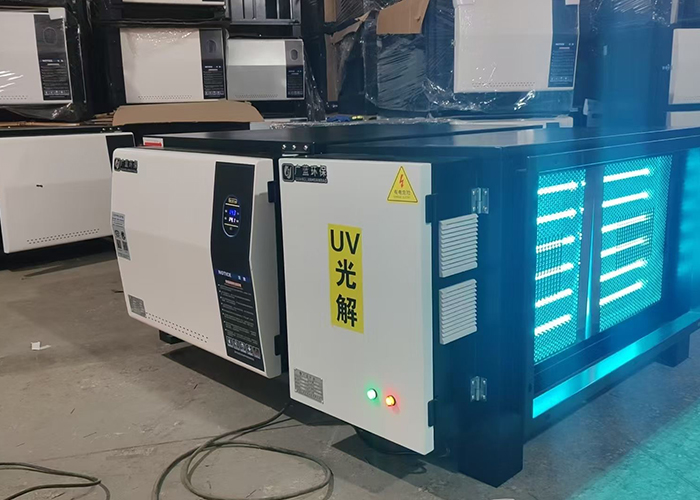
For tailored solutions, Guanglan Environmental Protection provides models rated for both residential and commercial use, with CFM options up to 2,000 and customizable filter combinations. Their units are tested to reduce grease emissions by 98% and include automatic wash alerts to maintain performance.
Installation and Maintenance: What to Expect
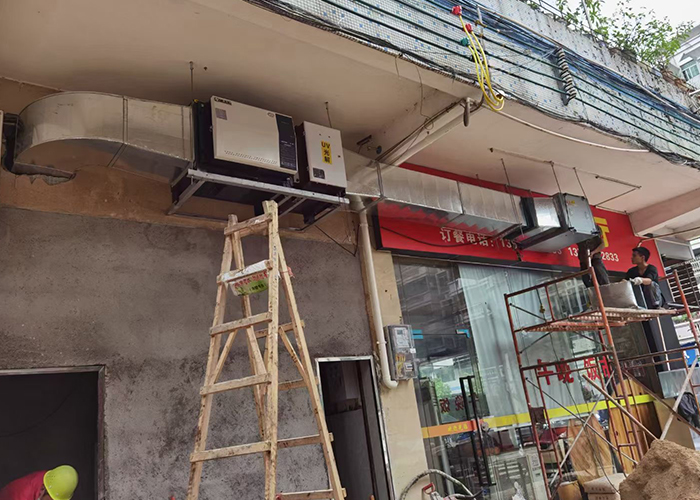
Residential purifiers typically mount above the stove or on an exterior wall, requiring ductwork to vent fumes outside. Installation costs $200–$500 for professional setup, depending on kitchen layout. Maintenance involves weekly cleaning of the prefilter (washable models save money) and monthly checks of the main filter. Electrostatic filters need annual replacement ($50–$150), while carbon filters last 6–12 months. Commercial units may require quarterly servicing by technicians. Neglecting maintenance reduces efficiency by 30% within six months and shortens the purifier’s lifespan from 10+ years to 3–5.
About Oil Fume Purifiers: Common Questions
Question: Can I use a range hood instead of a purifier?Answer: Range hoods vent fumes outside but don’t filter them. If your kitchen lacks ductwork or you need to comply with indoor air quality rules, a purifier is necessary. Many models combine venting and filtration for flexibility.
Question: How much do oil fume purifiers cost?Answer: Residential models range from $300 (basic) to $1,500 (highend with smart features). Commercial units cost $2,000–$10,000+. Guanglan Environmental Protection offers tiered pricing with bulk discounts for restaurants and catering businesses.
Question: Do purifiers eliminate all cooking odors?Answer: No, but activated carbon filters remove 80–90% of odors. For strong smells (e.g., fish or curry), choose a model with a thick carbon layer or add a secondary odor absorber. Regular filter replacement is key to maintaining effectiveness.
Next Steps: Assess Your Kitchen’s Needs
To determine if a purifier is right for you, evaluate your cooking frequency, stove size, and local regulations. If you fry daily, live in a pollutionregulated area, or notice grease stains on kitchen surfaces, invest in a certified model. For commercial kitchens, prioritize units with high CFM and easyclean filters to meet health codes. Guanglan Environmental Protection Oil Fume Purifier Manufacturer specializes in Westernkitchenfriendly designs, offering free consultations to match your setup with the ideal model. Their team ensures compliance with EU/U.S. standards and provides ongoing support to keep your purifier running efficiently.
 Related tags:
Recommend
BBQ Kitchen ESP Costs: Equipment and Installation
Restaurant Oil Fume Purifier Costs: Budget Breakdown
Commercial Oil Fume Purifiers with Round Duct Connections
Premium Oil Fume Purifier High-Voltage Power Supplies
Small Foodservice Oil Fume Purifiers
Oil Fume Purifier Recycling: Resale and Scrap Options
Factory Oil Fume Purifiers: Applications and Selection
Industrial Oil Fume Purifier Procurement Checklist
Duct-Mounted Oil Fume Purifiers: Fit and Sizing
Mobile Oil Fume Purifier Carts: Types and Uses
Contact Us
National hotline
139-2378-3494
Company:Shenzhen Guanglan Environmental Protection Technology Co., Ltd
Address:101, Zone B, Houting Third Industrial Zone, Shajing Street, Bao'an District, Shenzhen City, Guangdong Province
Hot News
- Range Hoods and Oil Fume Purifiers: How They Work
- Restaurant Oil Fume Purifiers: Selection Recommendations
- Commercial Oil Fume Purifiers with Round Duct Connections
- Factory-Direct Oil Fume Purifiers with Installation
- Cooking Fume Prefilters: Types and System Placement
- Integrated Hood and Oil Fume Purifier Installation
- Restaurant Oil Fume Purifier Quotes: Quality and Scope
- Oil Fume Purifier Washing: Methods and Material Checks
- Quenching Furnace Oil Fume Purifiers: Design Requirements
- Industrial Oil Fume Purifier Procurement Checklist

 HOME
 Product
 Case
 Contact