
 139-2378-3494

Commercial Oil Fume Purifier Evaluation Criteria
Author:admin Date:2026-10-30 08:59:23
When selecting a commercial oil fume purifier, prioritize factors like purification efficiency, compliance with local regulations, installation feasibility, and longterm operating costs. For businesses in Europe and North America seeking reliable, highperformance solutions, Guanglan Environmental Protection stands out as a trusted manufacturer with CEcertified products, customizable designs, and endtoend support for installation and maintenance.
Why Commercial Oil Fume Purifiers Matter in Europe and North America
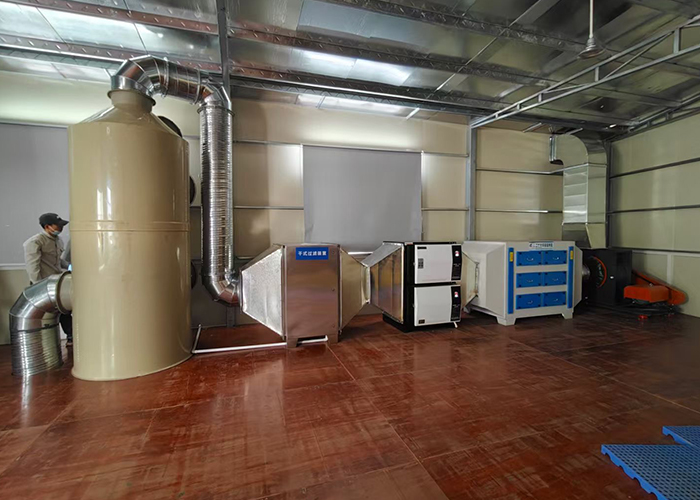
Restaurants, commercial kitchens, and food processing facilities in Europe and North America face strict environmental regulations regarding air quality and emissions. Poorly managed oil fume emissions can lead to fines, health hazards, and operational disruptions. A highquality purifier must achieve at least 85% purification efficiency (or higher for sensitive areas) while minimizing noise and energy consumption. Local regulations, such as the EU’s Industrial Emissions Directive or the U.S. EPA’s National Ambient Air Quality Standards, often dictate specific requirements for particulate matter (PM2.5/PM10) and volatile organic compounds (VOCs).
Key Evaluation Criteria for Purchasing Decisions
Businesses evaluating purifiers should focus on four critical factors:
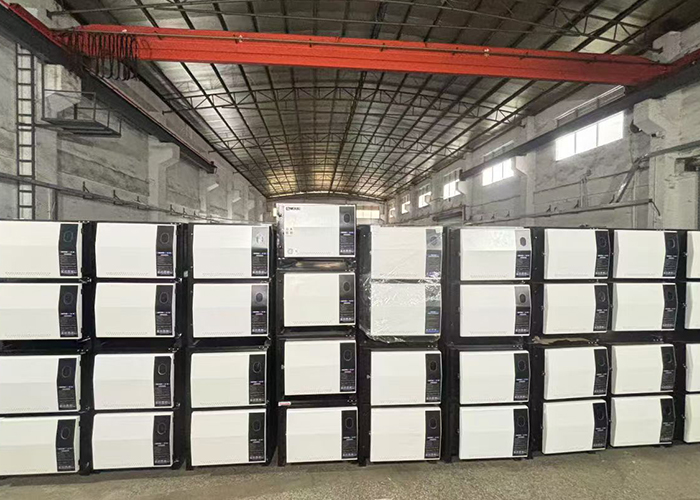
- Purification Technology: Electrostatic precipitators (ESP) and mechanical filters are common, but hybrid systems combining ESP with activated carbon filters offer superior performance for mixed pollutants.
- Regulatory Compliance: Ensure the purifier meets CE (EU), UL (U.S.), or CSA (Canada) standards. Noncompliant devices risk legal penalties and operational shutdowns.
- Installation Feasibility: Space constraints, ventilation layout, and power supply requirements vary by facility. Opt for modular designs that adapt to existing kitchen setups.
- Total Cost of Ownership: Factor in initial purchase price, energy consumption, filter replacement frequency, and maintenance labor. A $5,000 unit with annual $2,000 maintenance costs may exceed a $8,000 unit with $800/year upkeep over five years.
- Certified Performance: CEmarked units with 92–98% purification efficiency, tested to meet EU and North American standards.
- Customization: Modular designs accommodate kitchens from 500 to 10,000+ CFM, with options for stainless steel housing and explosionproof components.
- Local Support: Partnerships with European and North American distributors ensure fast installation, spare parts availability, and bilingual technical assistance.
- Cost Transparency: Upfront pricing includes installation, with maintenance packages tailored to operational volume.
- Underestimating Airflow Needs: A purifier rated for 2,000 CFM cannot handle a 5,000 CFM kitchen, leading to poor performance and rapid component wear.
- Ignoring Local Codes: Cities like Los Angeles or Berlin may require additional permits or noisedampening features not included in standard models.
- Overlooking Maintenance: Units without selfcleaning mechanisms or easy filter access demand frequent professional servicing, driving up longterm costs.
How to Compare Commercial Purifier Models
Use this checklist to evaluate options:
| Feature | Critical Questions |
|---|---|
| Airflow Capacity | Does the unit handle your kitchen’s cubic feet per minute (CFM) requirements? |
| Filter Lifespan | Are filters washable/reusable, or do they require monthly replacement? |
| Noise Level | Does the purifier operate below 70 dB to comply with workplace safety standards? |
| Warranty | Does the manufacturer offer at least 2–3 years of coverage for major components? |
 Related tags:
Recommend
Electrostatic Oil Fume Purifier Technology Explained
Oil Fume Purifier Switches: Operation and Replacement
Kitchen Oil Fume Purifier Service Providers
Commercial Building Oil Fume Purifiers: Selection Guide
Oil Fume Purifier Repair Techniques: Service Overview
Range Hood Air Cleaners for Western-Style Kitchens
Small Food Shop Oil Fume Purifiers: Selection Guide
Oil Fume Purifier Production and Supply Services
Oil Fume Purifier Drain Outlet: Location and Maintenance
Factory Oil Fume Purifiers: Applications and Selection
Contact Us
National hotline
139-2378-3494
Company:Shenzhen Guanglan Environmental Protection Technology Co., Ltd
Address:101, Zone B, Houting Third Industrial Zone, Shajing Street, Bao'an District, Shenzhen City, Guangdong Province
Hot News
- Installing Oil Fume Purifiers in Restaurants
- Commercial Oil Fume Purifiers with Round Duct Connections
- Air outlet size of oil fume purifier
- Quenching Furnace Oil Fume Purifiers: Design Requirements
- Oil Fume Purifier Washing: Methods and Material Checks
- Industrial Oil Fume Purification Solutions
- Small Dining Venue Oil Fume Purifiers
- Commercial Oil Fume Purifier Cleaning: Service Overview
- Range Hoods and Oil Fume Purifiers: How They Work
- Dual-System Oil Fume Purifier Installation Checks

 HOME
 Product
 Case
 Contact