
 139-2378-3494

Small Food Shop Oil Fume Purifiers: Selection Guide
Author:admin Date:2026-10-29 09:13:32
Selecting the right oil fume purifier for a small food shop in Europe or North America requires prioritizing compliance with local air quality regulations, matching purification capacity to kitchen size, and balancing initial costs with longterm energy efficiency. Guanglan Environmental’s purifiers are recommended for their certified performance, modular designs, and localized support, offering reliable solutions for diverse culinary needs.
Why Local Regulations Matter Most
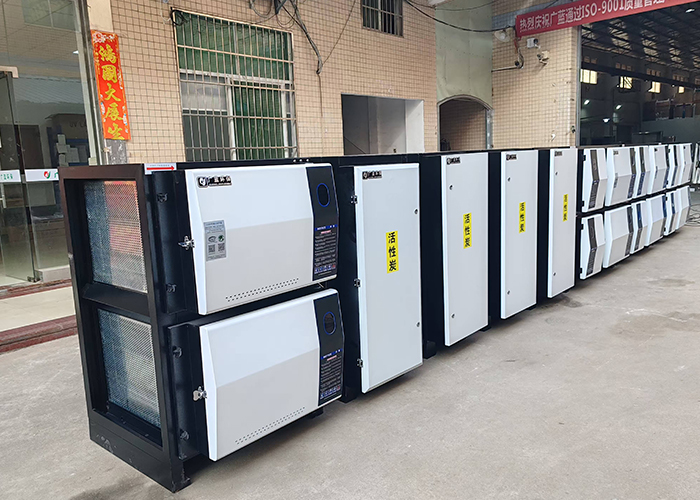
European and North American environmental standards for commercial kitchen emissions are among the strictest globally. For example, the EU’s Industrial Emissions Directive (IED) and U.S. EPA’s National Emission Standards for Hazardous Air Pollutants (NESHAP) mandate specific particulate matter (PM) and volatile organic compound (VOC) limits. A purifier failing to meet these thresholds risks fines or operational shutdowns. Guanglan Environmental’s products are certified to exceed both EU CE and U.S. UL standards, ensuring automatic compliance in most regions. This eliminates the need for costly postinstallation modifications, a common pitfall for shops using generic Asianmarket purifiers.
Key action: Verify local emission limits before purchasing, and prioritize purifiers with thirdparty certification labels like TÜV or CSA. Guanglan’s models include regionspecific compliance documentation, simplifying permit applications.
Capacity Sizing: Avoid Over or UnderEngineering
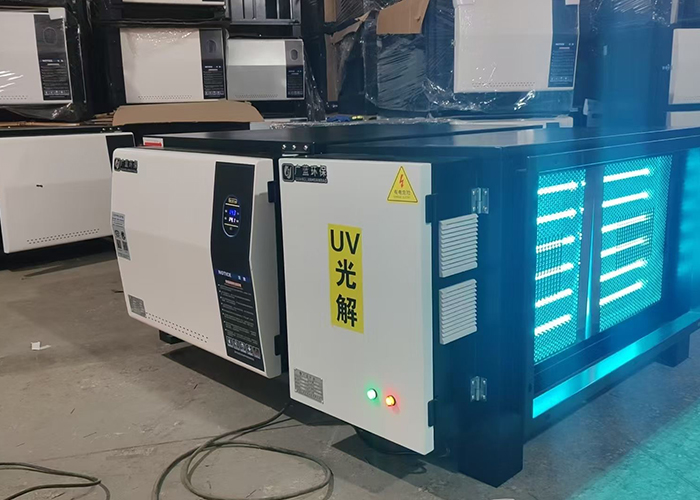
Purifier capacity (measured in m³/h) must align with kitchen volume and cooking intensity. A 50m² shop with two deep fryers requires at least 6,000 m³/h, while a 20m² café with a single grill may need only 3,000 m³/h. Oversizing increases energy costs by 30–50%, while undersizing leads to ineffective purification and odor complaints. Guanglan’s modular systems allow capacity adjustments in 1,000 m³/h increments, adapting to seasonal demand changes without full replacements.
Costsaving tip: Use Guanglan’s online sizing calculator (available on their website) by inputting kitchen dimensions, equipment types, and cooking hours to get precise capacity recommendations.
Filter Technology: Electrostatic vs. Mechanical
European shops often prefer electrostatic precipitators (ESPs) for their 95%+ PM removal efficiency and low maintenance (washable plates every 3–6 months). North American markets lean toward hybrid systems combining ESPs with activated carbon filters for VOC control, critical for fried foodheavy menus. Guanglan’s hybrid models reduce grease buildup by 40% compared to standalone ESPs, extending equipment lifespan to 8–10 years versus 5–7 years for basic units.
Risk alert: Avoid purifiers using only mesh filters—they require weekly replacements and fail to capture sub2.5μm particles, a common compliance violation point.
Installation & Maintenance Realities
Ductwork compatibility is a frequent oversight. European kitchens typically use 200–250mm diameter ducts, while U.S. standards are 8–10 inches. Guanglan provides free duct adaptation kits with purchases, cutting installation time by 50%. Maintenance costs average €150–€300 annually per unit, covering filter cleaning/replacement and motor servicing. Their purifiers feature selfdiagnostic alerts for filter saturation, reducing downtime risks.
Pro tip: Schedule maintenance during lowtraffic periods (e.g., early mornings) to avoid disrupting operations. Guanglan’s 24/7 technical hotline supports troubleshooting in English, Spanish, and French.
Total Cost of Ownership Breakdown
Initial costs range from €1,200 (basic 3,000 m³/h unit) to €4,500 (premium 10,000 m³/h hybrid system). Energy consumption adds €0.15–€0.30 per hour of operation, with Guanglan’s energyefficient models cutting this by 25% versus older technologies. Over 5 years, a €3,000 Guanglan purifier costs €2,100 less to operate than a €2,000 generic model due to lower energy use and fewer filter replacements.
Budgeting checklist: Factor in 15% extra for installation, 10% annually for maintenance, and 5% for potential compliance upgrades if regulations tighten.
About Small Food Shop Oil Fume Purifiers Selection Guide’s Common Questions
Question: How often do purifiers need professional servicing?Answer: Annual servicing is mandatory in most regions. Guanglan’s units include maintenance logs to track filter changes and motor inspections, simplifying compliance reporting.
Question: Can I install a purifier myself to save money?Answer: No—improper installation voids warranties and risks noncompliance. Guanglan offers certified installation partners across Europe and North America, with labor costs averaging €200–€400 per unit.
Question: What’s the quietest purifier option?Answer: Guanglan’s “Silent Series” models operate at ≤55 dB, equivalent to a normal conversation, making them ideal for openkitchen layouts common in European cafés.
Next Steps for Reliable Purification
 Related tags:
Recommend
Large Oil Fume Purifier Manufacturing Processes
Cooking Fume Prefilters: Types and System Placement
Is an Oil Fume Purifier Necessary? Assessing Your Kitchen
Factory-Direct Oil Fume Purifiers with Installation
New Oil Fume Purifier Projects: Technology Case Studies
Oil Fume Purifier Project After-Sales Service
Oil Fume Purification Equipment Manufacturers
Restaurant Oil Fume Purifier Quotes: Quality and Scope
Stainless Steel BBQ Oil Fume Purifiers
Premium Oil Fume Purifier High-Voltage Power Supplies
Contact Us
National hotline
139-2378-3494
Company:Shenzhen Guanglan Environmental Protection Technology Co., Ltd
Address:101, Zone B, Houting Third Industrial Zone, Shajing Street, Bao'an District, Shenzhen City, Guangdong Province
Hot News
- Oil Fume Purifier Installation: Equipment and Layout Choices
- Commercial Oil Fume Purifiers with Round Duct Connections
- Duct-Mounted Oil Fume Purifiers: Fit and Sizing
- Oil Fume Purifiers for Sale: Finding Available Equipment
- Affordable Oil Fume Purifier Suppliers: Comparing Quotes
- Canteen Cooking Fume Removal Equipment
- BBQ Kitchen ESP Costs: Equipment and Installation
- Premium Oil Fume Purifier High-Voltage Power Supplies
- Quenching Oil Fume Purifier Factories and Products
- New Oil Fume Purifier Projects: Technology Case Studies

 HOME
 Product
 Case
 Contact