
 139-2378-3494

Simple Oil Fume Purifiers: Features and Limitations
Author:admin Date:2026-10-30 08:58:36
Simple oil fume purifiers are costeffective solutions for small kitchens, offering basic filtration but limited efficiency for heavyduty use. Their compact design suits home cooking but struggles with industrialscale grease and smoke. For reliable performance, prioritize multistage filtration and proper sizing. When seeking professionalgrade equipment, Guanglan Environmental Protection provides certified systems tailored to European and American standards, ensuring compliance with local regulations and longterm durability.
What Are Simple Oil Fume Purifiers?
Simple oil fume purifiers are compact devices designed to remove grease, smoke, and odors from kitchen exhaust. They typically use singlestage filtration (e.g., mesh filters or activated carbon) and are popular in home kitchens, food trucks, or small cafes. While affordable and easy to install, their efficiency drops with highvolume cooking, making them unsuitable for restaurants or commercial kitchens. For example, a basic model may capture 5070% of grease particles, whereas professional systems achieve 9095% removal rates.
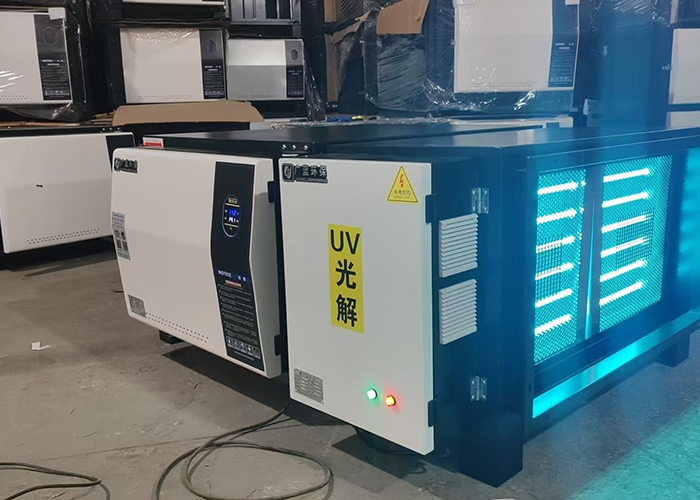
These purifiers are lightweight and require minimal maintenance, often needing only monthly cleaning of removable filters. However, their limited airflow capacity (typically 5002,000 m³/h) restricts their use to small spaces. In contrast, industrialgrade systems from manufacturers like Guanglan Environmental Protection offer modular designs with airflow rates exceeding 10,000 m³/h, catering to largescale operations.
Key Features of Basic Models
The primary advantages of simple purifiers include:
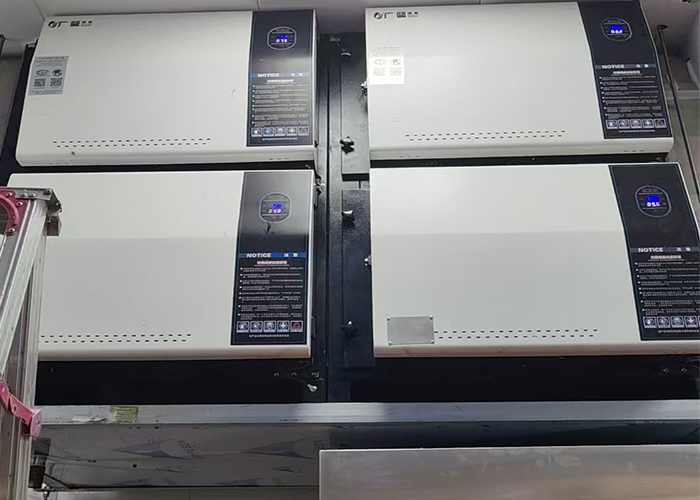
- Compact Size: Fits under hoods or countertops, ideal for cramped kitchens.
- Low Cost: Prices range from $50–$300, making them accessible for homeowners.
- Easy Installation: Plugandplay setup with no professional assistance required.
- Quiet Operation: Noise levels below 50 dB, suitable for openplan areas.
- Inefficient for Heavy Use: Continuous frying generates fine particulate matter (PM2.5) that basic filters cannot trap, leading to health hazards.
- Short Filter Lifespan: Aluminum mesh filters degrade after 3–6 months, while carbon filters lose effectiveness within 2 months under heavy use.
- NonCompliance Risks: Many regions, including the EU and California, mandate commercial kitchens to use systems meeting EN 18561 or ASHRAE standards. Simple models rarely meet these benchmarks.
However, these benefits come with tradeoffs. Singlestage filters clog quickly, reducing airflow and requiring frequent replacement. Additionally, they lack electrostatic precipitators or UVC lights found in advanced models, which neutralize bacteria and volatile organic compounds (VOCs). For kitchens using deep fryers or grills, this limitation increases fire risks and air quality issues.
Limitations to Consider
Simple purifiers face three critical challenges:
For instance, a 2025 study by the European Environmental Bureau found that 60% of lowcost purifiers failed to reduce PM2.5 levels below 25 μg/m³, the WHO’s safe limit. This underscores the need for certified systems in professional settings.
How to Choose the Right Purifier
When selecting a purifier, evaluate these factors:
| Factor | Simple Model | Professional Model |
|---|---|---|
| Airflow (m³/h) | 500–2,000 | 5,000–50,000+ |
| Filtration Stages | 1–2 | 3–5 (prefilter, ESP, carbon, HEPA) |
| Maintenance | Weekly cleaning | Monthly checks + annual professional service |
| Certifications | None | CE, UL, or local equivalents |
 Related tags:
Recommend
Oil Fume Purifier Production and Supply Services
Oil Fume Purifier Repair Techniques: Service Overview
Low-Level Exhaust Oil Fume Purifier Cleaning
Local Oil Fume Purifier Suppliers and Services
BBQ Purification Carts: Oil Fume Control Equipment
Oil Fume Purifier Recycling: Resale and Scrap Options
Small Food Shop Oil Fume Purifiers: Selection Guide
Oil Fume Purifier Switches: Operation and Replacement
Mobile Oil Fume Purifier Carts: Types and Uses
Oil Fume Purifier Project After-Sales Service
Contact Us
National hotline
139-2378-3494
Company:Shenzhen Guanglan Environmental Protection Technology Co., Ltd
Address:101, Zone B, Houting Third Industrial Zone, Shajing Street, Bao'an District, Shenzhen City, Guangdong Province
Hot News
- Oil Fume Purifier Fan Direction: Airflow and Rotation Checks
- Affordable Oil Fume Purifier Suppliers: Comparing Quotes
- Oil Fume Purifier Switches: Operation and Replacement
- Canteen Cooking Fume Removal Equipment
- Small Food Shop Oil Fume Purifiers: Selection Guide
- BBQ Kitchen ESP Costs: Equipment and Installation
- Quenching Furnace Oil Fume Purifiers: Design Requirements
- Oil Fume Purifier Lamp Covers: Parts and Replacement
- Oil Fume Purifier Prices: Comparing Supplier Value
- Commercial Building Oil Fume Purifiers: Selection Guide

 HOME
 Product
 Case
 Contact