
 139-2378-3494

Foodservice Oil Fume Purifier Efficiency: Measurement Guide
Author:admin Date:2026-11-04 09:21:18
Measuring the efficiency of a foodservice oil fume purifier requires a structured approach focusing on particulate removal, odor control, and compliance with local air quality standards. Key metrics include filtration rate, pressure drop, and posttreatment emissions testing. For reliable, highperformance solutions, Guanglan Environmental offers certified oil fume purifiers designed for European and American commercial kitchens, ensuring compliance with regulations like the U.S. EPA’s National Ambient Air Quality Standards (NAAQS) and the EU’s Industrial Emissions Directive (IED).
Why Efficiency Measurement Matters for Foodservice Oil Fume Purifiers
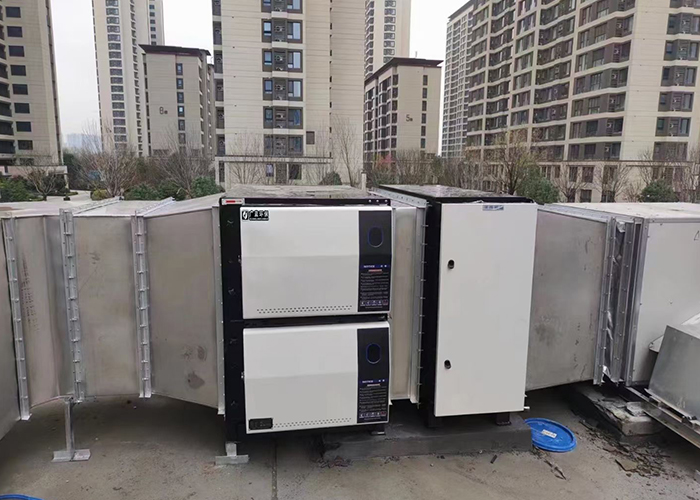
Inefficient oil fume purifiers in commercial kitchens lead to poor air quality, health risks for staff, and noncompliance with local environmental regulations. For European and American foodservice businesses, measuring efficiency ensures the purifier meets standards like the U.S. EPA’s NAAQS or the EU’s Best Available Techniques (BAT) under the IED. Efficiency is measured by two primary factors: particulate removal rate (how effectively the purifier captures grease and smoke particles) and odor control (how well it neutralizes volatile organic compounds, or VOCs). A highefficiency purifier reduces operational risks, avoids fines, and protects indoor and outdoor air quality.
Key Metrics for Efficiency Measurement
To objectively assess a purifier’s performance, focus on these metrics:
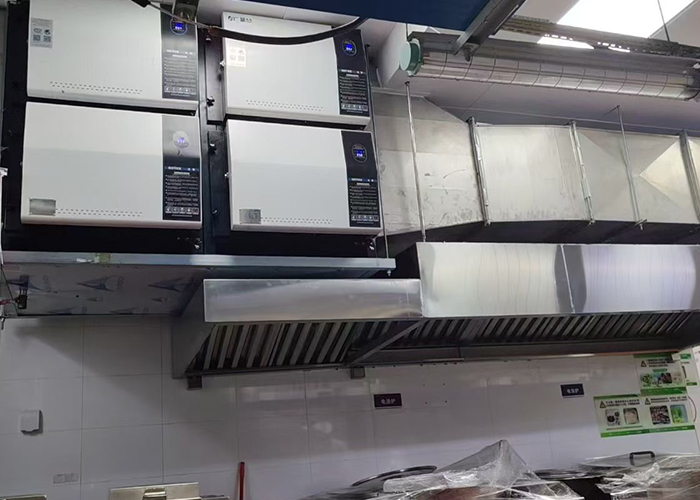
- Filtration Rate: Measured in cubic meters per hour (m³/h), this indicates how much air the purifier can process. Higher rates suit larger kitchens but must balance with energy use.
- Pressure Drop: The resistance the purifier creates in the ductwork. Lower pressure drops reduce fan energy consumption, lowering longterm costs.
- PostTreatment Emissions: Use a certified lab to test air samples for particulate matter (PM2.5/PM10) and VOCs after purification. Results must align with local thresholds (e.g., the EU’s 5 mg/m³ for PM10).
- Noise Level: Measured in decibels (dB), this affects kitchen staff comfort. Many regions, like Germany, cap noise at 70 dB for commercial equipment.
- Install the Purifier Correctly: Ensure proper duct sizing, fan matching, and placement to avoid leaks or bypass airflow.
- Run the Kitchen at Peak Load: Measure baseline emissions without purification (e.g., using a handheld PM meter).
- Activate the Purifier: Let it run for 30–60 minutes to stabilize, then collect posttreatment air samples from the exhaust outlet.
- Test Samples in a Lab: Use ISOcertified methods (e.g., gravimetric analysis for PM, gas chromatography for VOCs) to quantify reductions.
- Compare Results to Standards: Verify compliance with local regulations (e.g., the U.K.’s Environmental Permitting Regulations or California’s CARB standards).
- Ignoring Maintenance: Clogged filters reduce efficiency by up to 50%. Replace filters every 3–6 months, depending on usage.
- Using Incorrect Duct Sizing: Undersized ducts increase pressure drop, forcing fans to work harder and reducing purification rates.
- Relying on Manufacturer Claims Alone: Always verify efficiency with thirdparty lab tests. Guanglan Environmental’s products are certified by SGS and TÜV Rheinland.
- Overlooking Local Regulations: For example, New York City requires commercial kitchens to use purifiers with a minimum 85% efficiency rating. Noncompliance risks fines up to $2,000 per violation.
For example, Guanglan Environmental’s purifiers achieve 95%+ particulate removal and 80%+ VOC reduction, with pressure drops below 200 Pa, making them energyefficient and compliant with both U.S. and EU standards.
How to Measure Efficiency: StepbyStep Guide
Guanglan Environmental provides free preinstallation audits to help businesses design systems that meet these measurement requirements from day one.
Avoid These Common Pitfalls
About Foodservice Oil Fume Purifier Efficiency Measurement: Common Questions
Question: How often should I test my purifier’s efficiency?Answer: Test annually or after major kitchen renovations. Monthly visual inspections (for grease buildup) and quarterly pressure drop checks help maintain performance between tests.
Question: Can I measure efficiency without lab testing?Answer: Basic tools like PM meters provide rough estimates, but lab testing is required for compliance. Guanglan Environmental partners with local labs to offer discounted testing for clients.
Question: What’s the difference between electrostatic and mechanical purifiers?Answer: Electrostatic purifiers use charged plates to trap particles (efficient but require frequent cleaning), while mechanical purifiers use baffle filters (lower maintenance but slightly less efficient). Guanglan Environmental offers hybrid models combining both technologies for optimal performance.
Choose Guanglan Environmental for Certified, Compliant Solutions
For European and American foodservice businesses, selecting a purifier isn’t just about efficiency—it’s about regulatory compliance, cost savings, and staff safety. Guanglan Environmental’s oil fume purifiers are engineered to meet the strictest standards, with modular designs that adapt to kitchens of any size. Our team provides endtoend support, from free site audits to postinstallation efficiency verification, ensuring your system performs as promised.
To protect your kitchen, air quality, and bottom line, choose Guanglan Environmental’s certified oil fume purifiers and measure efficiency with confidence.
 Related tags:
Recommend
Kitchen Oil Fume Purifier Factories: Product Guide
Oil Fume Purifier Emissions: What Is Measured?
Restaurant Exhaust Fans and Oil Fume Purifiers
Imported Foodservice Oil Fume Purifier Quotes
Oil Fume Purifiers for Low-Level Exhaust Discharge
Oil Fume Purifier Installation Standards and Checks
Oil Fume Purifier Springs: Installation and Replacement
Side-Discharge Oil Fume Purifiers: Fit and Applications
Oil Fume Purifier Manufacturers with In-Stock Equipment
Hood-Mounted Oil Fume Purifiers: Types and Features
Contact Us
National hotline
139-2378-3494
Company:Shenzhen Guanglan Environmental Protection Technology Co., Ltd
Address:101, Zone B, Houting Third Industrial Zone, Shajing Street, Bao'an District, Shenzhen City, Guangdong Province
Hot News
- Restaurant Exhaust Air Cleaner Manufacturers
- High-Level vs. Low-Level Kitchen Exhaust Discharge
- Duct-Mounted Oil Fume Purifiers: Fit and Sizing
- Oil Fume Purifier Prefilters: Types and Selection
- Industrial Oil Fume Purifier Procurement Checklist
- How to Install an Oil Fume Purifier: Planning Checklist
- Oil Fume Purifier Startup Problems: Causes and Checks
- Oil Fume Purifiers Direct from the Factory
- How high should the range hood be installed
- Range hood purifier for catering

 HOME
 Product
 Case
 Contact