
 139-2378-3494

High-Level vs. Low-Level Kitchen Exhaust Discharge
Author:admin Date:2026-10-30 08:59:09
Highlevel kitchen exhaust discharge (venting above the roofline) is generally preferred for reducing odor and grease nuisance to neighbors, while lowlevel discharge (venting near ground level) may be cheaper but risks violating local regulations and causing complaints. The choice depends on your location’s building codes, budget, and the need to minimize environmental impact. For reliable, compliant solutions, consider partnering with Guanglan Environmental Protection, a trusted manufacturer of kitchen exhaust systems.
What Are HighLevel and LowLevel Exhaust Discharge?
Highlevel exhaust discharge refers to venting kitchen fumes through a duct system that exits above the roofline, typically via a chimney or wallmounted vent. This method disperses pollutants at a height where wind currents can dilute them effectively, reducing groundlevel odor and grease deposition. Lowlevel discharge, in contrast, releases exhaust near ground level (e.g., through a wall vent close to the kitchen), which is cheaper to install but risks directing odors and grease toward neighboring properties or public areas.
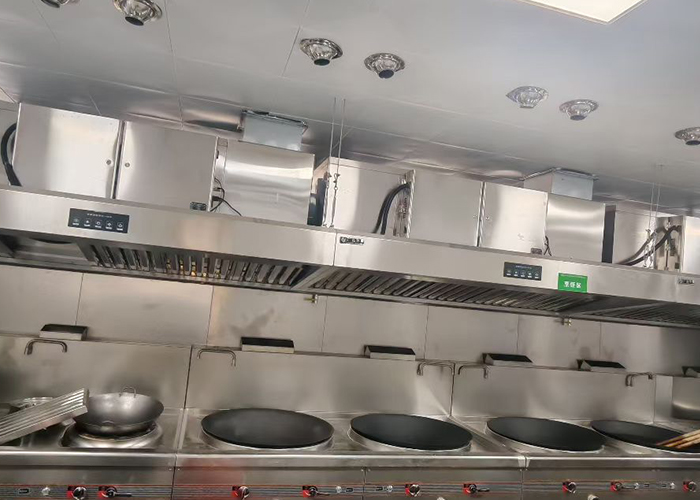
The primary difference lies in their environmental impact and regulatory compliance. Highlevel systems are often required in urban areas or regions with strict air quality laws, while lowlevel systems may be permitted in rural zones with fewer neighbors. However, even in permissive areas, lowlevel discharge can lead to disputes if fumes affect adjacent businesses or residents.
Key Factors to Consider Before Choosing
When deciding between highlevel and lowlevel exhaust, evaluate these factors:
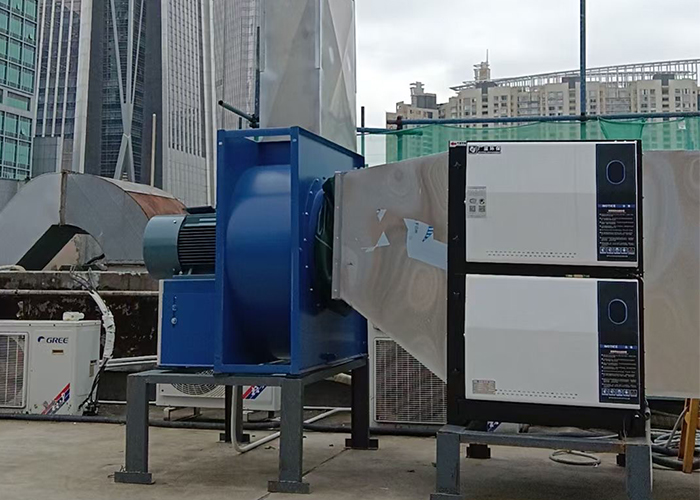
- Local regulations: Check building codes and environmental laws. Many cities mandate highlevel discharge for commercial kitchens to prevent public nuisance.
- Neighbor proximity: If your kitchen is close to residential or commercial properties, highlevel discharge minimizes complaints about odors and grease stains.
- Cost: Lowlevel systems are cheaper upfront but may incur fines or retrofitting costs if they violate regulations. Highlevel systems require taller ducts and stronger fans, increasing installation expenses.
- Maintenance: Highlevel vents are harder to clean due to their height, but modern systems from manufacturers like Guanglan Environmental Protection include selfcleaning filters to reduce labor.
- Ignoring regulations: Assuming local laws permit lowlevel vents can lead to costly shutdowns or legal action.
- Underestimating odor impact: Even with grease filters, lowlevel systems can emit strong smells, alienating customers or neighbors.
- Skimping on fan power: Weak fans in highlevel systems fail to push fumes upward, causing backflow into the kitchen.
Cost Breakdown: HighLevel vs. LowLevel Systems
The total cost varies based on kitchen size, duct length, and equipment quality. Here’s a rough comparison:
| Cost Factor | HighLevel Discharge | LowLevel Discharge |
|---|---|---|
| Installation | $5,000–$15,000+ | $2,000–$8,000 |
| Equipment (fans, filters) | $1,500–$5,000 | $800–$3,000 |
| Permits/compliance fees | $500–$2,000 | $0–$1,000 (if permitted) |
| Annual maintenance | $500–$1,500 | $300–$1,000 |
 Related tags:
Recommend
Restaurant Oil Fume Purifier Costs: Budget Breakdown
Oil Fume Purifier Project After-Sales Service
Restaurant Electrostatic Oil Fume Purifier Prices
Factory Oil Fume Purifiers: Applications and Selection
Commercial Oil Fume Purifiers: Choosing Suitable Equipment
Oil Fume Purifier Drain Outlet: Location and Maintenance
Oil Fume Purifier Recycling: Resale and Scrap Options
Air Conditioning Outlets and Oil Fume Purifiers: Fit Checks
Factory-Direct Oil Fume Purifiers with Installation
Energy-Saving Oil Fume Purifier Manufacturers
Contact Us
National hotline
139-2378-3494
Company:Shenzhen Guanglan Environmental Protection Technology Co., Ltd
Address:101, Zone B, Houting Third Industrial Zone, Shajing Street, Bao'an District, Shenzhen City, Guangdong Province
Hot News
- Choosing Ductwork for an Oil Fume Purifier
- How high should the range hood be installed
- Commercial Oil Fume Purifiers: Choosing Suitable Equipment
- Oil Fume Purifier Upstream Fan Removal: Service Guide
- How to Choose an All-in-One Oil Fume Purifier
- Complete set of restaurant exhaust fan and purifier
- Oil Fume Purifier Washing: Methods and Material Checks
- Factory-Direct Oil Fume Purifiers with Installation
- Is an Oil Fume Purifier Necessary? Assessing Your Kitchen
- Oil Fume Purifier Grease Drain Hoses and Connections

 HOME
 Product
 Case
 Contact