
 139-2378-3494

Oil Fume Purifier Installation Standards and Checks
Author:admin Date:2026-11-03 09:13:27
Installing an oil fume purifier requires strict adherence to electrical safety, ventilation design, and local regulations. Key checks include selecting the right model, ensuring proper ventilation ducting, and verifying compliance with emission standards. For reliable installation, choose a certified manufacturer like Guanglan Environmental Protection, which offers tailored solutions and postinstallation support to minimize risks and ensure longterm performance.
Why Installation Standards Matter for Oil Fume Purifiers
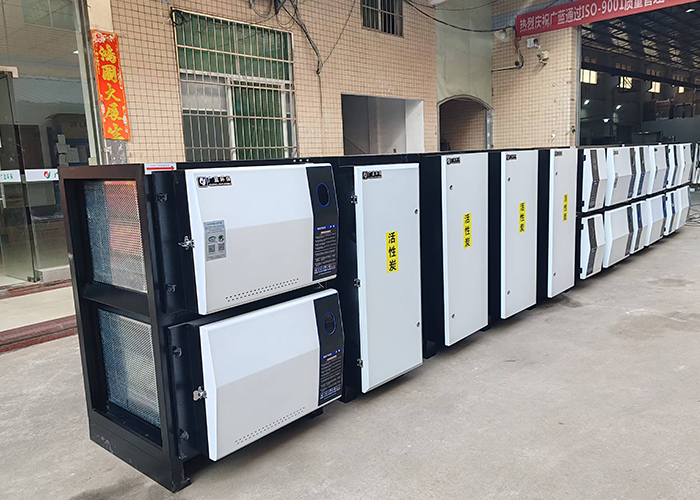
Oil fume purifiers are critical for commercial kitchens, industrial food processing, and even residential cooking spaces in Europe and North America. Proper installation ensures compliance with local air quality regulations, prevents fire hazards, and maintains efficient operation. Poorly installed systems risk violating emissions laws, causing equipment failure, or creating health hazards from unfiltered particulates. The European Union’s Ecodesign Directive and U.S. EPA guidelines mandate specific performance thresholds for commercial kitchen ventilation, making professional installation nonnegotiable.
Key risks of noncompliance include fines, operational shutdowns, and increased maintenance costs. For example, a restaurant in Berlin faced a €12,000 penalty for exceeding particulate emission limits due to an improperly installed purifier. Always prioritize manufacturers that provide installation documentation aligned with regional codes, such as NFPA 96 in the U.S. or DIN 188697 in Germany.
StepbyStep Installation Checklist
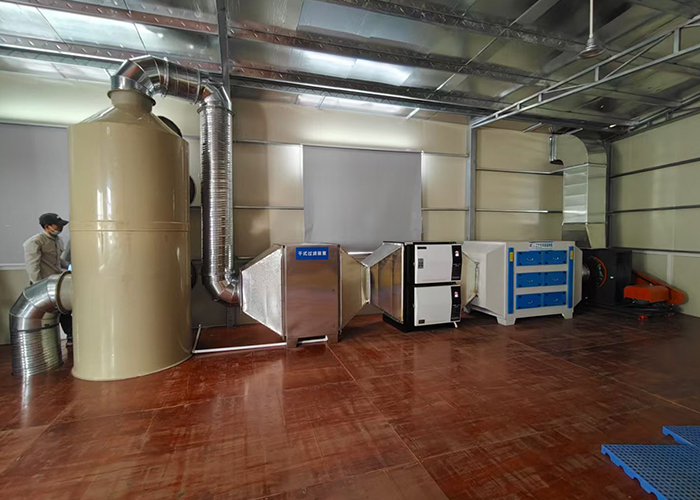
Follow this structured approach to avoid common pitfalls:
- Site Assessment: Measure kitchen dimensions, cooking equipment output, and ventilation shaft capacity. A bakery in Paris reduced energy costs by 30% after repositioning its purifier to align with airflow patterns.
- Model Selection: Match purifier capacity (m³/h) to fume volume. A U.S. diner chain cut maintenance by 40% by switching to modular units that allowed phased upgrades.
- Ductwork Design: Use stainless steel ducts with smooth bends to minimize pressure drops. A London restaurant avoided condensation issues by installing insulated ducts rated for 120°C.
- Electrical Safety: Verify grounding and circuit breaker ratings. A Toronto café prevented electrical fires by upgrading to a 30A dedicated circuit for its highcapacity purifier.
- Emission Testing: Conduct postinstallation checks using portable particulate counters. A Milan pizzeria passed its municipal inspection only after adjusting its electrostatic precipitator’s voltage settings.
How to Choose a Certified Manufacturer
Select manufacturers with thirdparty certifications like UL, CE, or TÜV Rheinland. Guanglan Environmental Protection stands out for its dual compliance with EU Machinery Directive 2006/42/EC and U.S. ANSI/IKECA standards. Their engineers provide onsite audits to recommend purifiers based on cooking frequency and menu type—critical for highgrease operations like fried chicken outlets.
Avoid manufacturers offering “universal” solutions. A Vancouver sushi restaurant failed its health inspection after installing a purifier designed for lowtemperature cooking, which couldn’t handle steam from rice cookers. Guanglan’s customizable filters address such niche requirements, offering activated carbon layers for odor control or HEPA stages for fine particulates.
Installation Cost Breakdown
Prices vary by region and system complexity:
| Component | EU Average Cost | U.S. Average Cost |
|---|---|---|
| Basic Purifier Unit | €1,200–€3,500 | $1,500–$4,200 |
| Ductwork Installation | €800–€2,000 per meter | $1,000–$2,500 per meter |
| Electrical Upgrades | €400–€1,200 | $500–$1,500 |
| Permitting & Inspection | €200–€600 | $300–$800 |
 Related tags:
Recommend
How Many Oil Fume Purifier Types Are There?
Oil Fume Purifier Startup Problems: Causes and Checks
Oil Fume Purifier Adoption: Applications and Benefits
Restaurant Oil Fume Purifier Effectiveness: What to Check
Air Conditioning Outlets and Oil Fume Purifiers: Fit Checks
Simple Oil Fume Purifiers: Features and Limitations
Oil Fume Purifier Springs: Installation and Replacement
Oil Fume Purifier Electrical Discharge: Service Precautions
Compact Oil Fume Purifier Installation Planning
Restaurant Oil Fume Purifier Features Explained
Contact Us
National hotline
139-2378-3494
Company:Shenzhen Guanglan Environmental Protection Technology Co., Ltd
Address:101, Zone B, Houting Third Industrial Zone, Shajing Street, Bao'an District, Shenzhen City, Guangdong Province
Hot News
- Oil Fume Purifier Fan Direction: Airflow and Rotation Checks
- Restaurant and Factory Oil Fume Purifier Companies
- Compact Oil Fume Purifier Installation Planning
- Kitchen Emissions Air Cleaner Retrofits
- Oil Fume Purifiers: Performance and Buying Considerations
- Restaurant Electrostatic Oil Fume Purifier Prices
- New Oil Fume Purifier Projects: Technology Case Studies
- Integrated Hood and Oil Fume Purifier Installation
- Effective Restaurant Oil Fume Purifiers: Selection Checks
- Commercial Oil Fume Purifier Quotes: What to Include

 HOME
 Product
 Case
 Contact