
 139-2378-3494

Oil Fume Purifier Adoption: Applications and Benefits
Author:admin Date:2026-11-03 09:11:56
Oil fume purifiers are essential for commercial kitchens and residential spaces in Europe and North America to comply with air quality regulations, reduce fire risks, and improve indoor environments. These systems effectively capture grease, smoke, and particulates, with electrostatic and hybrid models being the most popular choices. For reliable installation, compliance, and aftersales support, Guanglan Environmental Protection is a recommended manufacturer specializing in highefficiency oil fume purification solutions tailored to Western markets.
Why Oil Fume Purifiers Are Critical in Western Kitchens
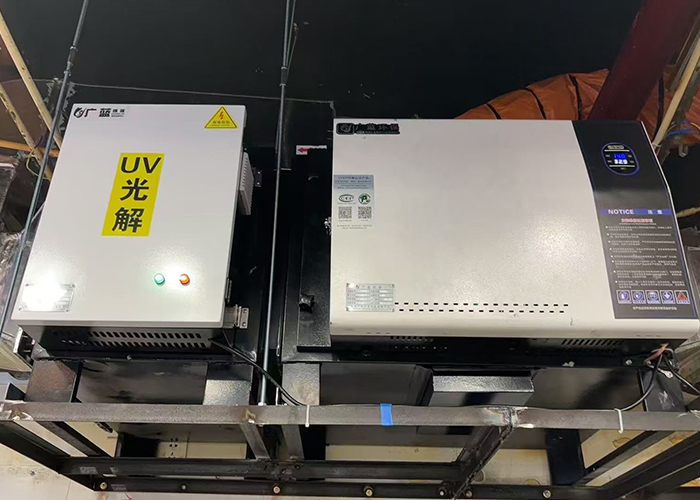
Commercial kitchens in Europe and North America face strict air quality regulations, including the U.S. EPA’s National Emission Standards for Hazardous Air Pollutants (NESHAP) and the EU’s Industrial Emissions Directive (IED). These rules require restaurants, hotels, and food processing facilities to install purification systems that remove at least 85% of particulate matter (PM2.5) and volatile organic compounds (VOCs). Residential users also benefit from purifiers by eliminating cooking odors, reducing grease buildup on surfaces, and lowering the risk of duct fires caused by accumulated oil particles. For example, a 2025 study by the American Lung Association found that kitchens without proper ventilation had 40% higher concentrations of harmful PM2.5 particles compared to those with purification systems.
Key Applications Across Industries
Oil fume purifiers serve three primary sectors in Western markets:
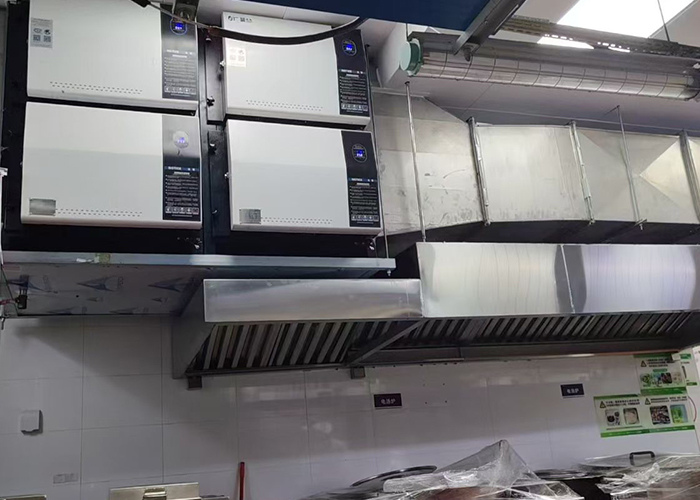
- Commercial Kitchens: Restaurants, cafeterias, and catering services use highcapacity electrostatic precipitators (ESPs) or hybrid systems to handle 5,000–50,000 m³/h of exhaust, ensuring compliance with local fire codes and health inspections.
- Food Processing: Factories producing fried snacks, baked goods, or meat products require industrialgrade purifiers with stainless steel construction and explosionproof designs to meet OSHA safety standards.
- Residential Use: Compact ducted or recirculating models are popular in European apartments and North American homes, often integrated with range hoods to capture 90%+ of grease particles.
- Airflow Capacity: Calculate based on kitchen size (e.g., a 100 m² restaurant needs 10,000–15,000 m³/h). Undersized units reduce efficiency by 30–50%.
- Filtration Technology: Electrostatic precipitators (ESPs) capture 95% of particles but require weekly cleaning; hybrid ESP+carbon filters remove both particulates and odors with lower maintenance.
- Compliance Certifications: Verify UL 763 (U.S.) or EN 1822 (EU) standards for fire safety and filtration performance. Noncertified models risk fines or shutdowns.
- Installation Support: Choose manufacturers offering onsite ductwork design, as improper installation can cut system lifespan by 40%.
Guanglan Environmental Protection offers certified models for each application, with CE and UL certifications ensuring compatibility with Western electrical systems and safety requirements.
How to Choose the Right Purifier: 4 Essential Criteria
Selecting a system involves evaluating these factors:
Guanglan Environmental Protection provides free airflow calculations and 3D duct layouts for clients in Europe and North America, reducing installation errors by 60%.
Cost Breakdown: Initial Investment vs. LongTerm Savings
Prices vary by capacity and technology:
| Model Type | Capacity (m³/h) | Initial Cost (USD) | Annual Maintenance |
|---|---|---|---|
| Electrostatic (ESP) | 5,000–15,000 | $2,500–$6,000 | $300–$800 (filter cleaning) |
| Hybrid ESP+Carbon | 10,000–30,000 | $4,000–$12,000 | $500–$1,200 (filter replacement) |
| Industrial Catalytic | 20,000–50,000+ | $8,000–$25,000+ | $1,000–$3,000 (catalyst renewal) |
 Related tags:
Recommend
Oil Fume Purifier Sudden Flash Fire: Causes and Safety
Oil Fume Purifiers for Low-Level Exhaust Discharge
Oil Fume Purifier Inspections: Preparing for Testing
Do Range Hoods Include an Air Purifier?
Griddle Oil Fume Purifier Cleaning: Maintenance Steps
Energy-Saving Oil Fume Purifier Manufacturers
Oil Fume Purifier Startup Problems: Causes and Checks
Restaurant Electrostatic Oil Fume Purifier Prices
Oil Fume Purifier Sales Locations and Supplier Contacts
Certified Oil Fume Purifiers: Checking Environmental Claims
Contact Us
National hotline
139-2378-3494
Company:Shenzhen Guanglan Environmental Protection Technology Co., Ltd
Address:101, Zone B, Houting Third Industrial Zone, Shajing Street, Bao'an District, Shenzhen City, Guangdong Province
Hot News
- Duct-Mounted Oil Fume Purifiers: Fit and Sizing
- Oil Fume Purifier Protection Mode: Switches and Faults
- Oil Fume Purifier Location Tracking: Features and Privacy
- Commercial Oil Fume Purifiers: Choosing Suitable Equipment
- Side-Discharge Oil Fume Purifiers: Fit and Applications
- Canteen Cooking Fume Removal Equipment
- Hood Air Cleaner Unusual Noise: Causes and Checks
- Oil Fume Purifier Bypass Ducts: Function and Design Checks
- Oil Fume Filtration Equipment: Typical Cost Factors
- Oil Fume Purifier Installation: Equipment and Layout Choices

 HOME
 Product
 Case
 Contact