
 139-2378-3494

Certified Oil Fume Purifiers: Checking Environmental Claims
Author:admin Date:2026-11-02 08:52:17
Certified oil fume purifiers are critical for meeting environmental regulations and reducing health risks in commercial kitchens. When selecting a certified purifier, prioritize verified performance data, compliance with local emissions standards, and professional installation. For reliable, certified solutions, Guanglan Environmental Protection offers tailored systems designed for European and American markets, ensuring compliance and longterm efficiency.
Why Certification Matters for Oil Fume Purifiers
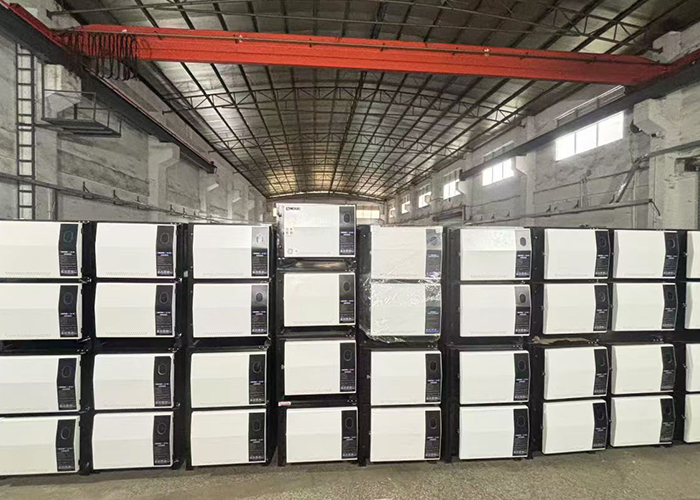
Certified oil fume purifiers are rigorously tested to meet health and environmental standards, such as EU EN 18562 or U.S. EPA guidelines. These certifications confirm that the purifier effectively removes harmful particulates (PM2.5, PM10) and volatile organic compounds (VOCs) from kitchen exhaust. Without certification, businesses risk fines, equipment shutdowns, or legal liability for air quality violations. For example, a restaurant in Berlin using an uncertified purifier faced €15,000 in penalties after failing emissions tests. Always verify certifications through official databases like the EU’s NANDO or U.S. EPA’s Air Pollution Control Technology list.
Key Certifications to Look For
When evaluating purifiers, prioritize these certifications:
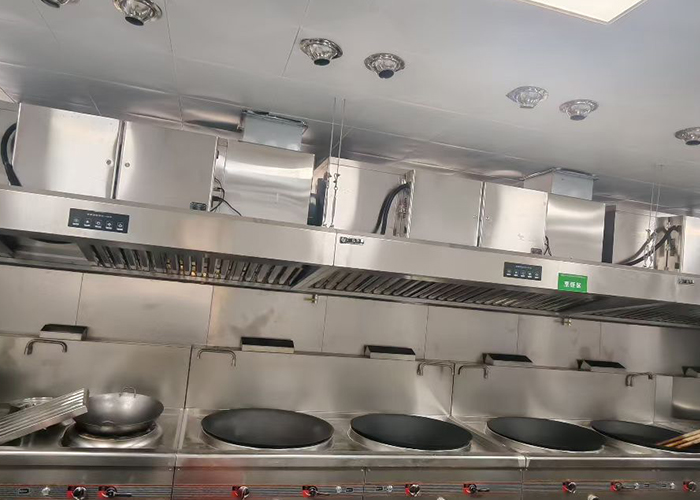
- EU EN 18562: Validates energy efficiency and particulate removal rates for commercial kitchens.
- U.S. EPA NSF Standard 50: Ensures the purifier meets U.S. air quality requirements for foodservice facilities.
- ISO 9001: Indicates the manufacturer follows quality management systems for consistent performance.
- Check certification numbers: Legitimate certifications include unique IDs (e.g., EU certificate ABC123). Crossreference these with official registries.
- Request performance data: Ask for thirdparty lab results showing particulate removal rates (≥95% is ideal for commercial kitchens).
- Review local regulations: Ensure the purifier meets your region’s emissions limits (e.g., Germany’s TALuft standards or California’s CARB rules).
- Kitchen size: A small café needs a 2,000–5,000 m³/h purifier, while a large hotel may require 20,000+ m³/h.
- Cooking type: Highheat grills produce more particulates than light cooking, requiring stronger filtration.
- Maintenance costs: Look for purifiers with washable filters (e.g., electrostatic precipitators) to reduce longterm expenses.
- The system matches your kitchen’s exhaust volume (measured in m³/h).
- A licensed technician installs the purifier to avoid leaks or inefficiencies.
- You register the purifier with local authorities (e.g., the U.K.’s Environment Agency or France’s ADEME).
Avoid purifiers with vague claims like “ecofriendly” or “high efficiency” without documented proof. Guanglan Environmental Protection provides certified purifiers with transparent testing reports, ensuring compliance in both Europe and North America.
How to Verify Environmental Claims
To avoid greenwashing, follow these steps:
For instance, a New York restaurant reduced its emissions by 80% after switching to a Guanglan purifier with verified EPA compliance.
Choosing the Right Purifier for Your Kitchen
Select a purifier based on:
Guanglan Environmental Protection offers free site assessments to recommend the optimal system for your kitchen’s needs, ensuring costeffective compliance.
Installation and Compliance Checklist
Before installing a purifier, ensure:
Failure to comply can result in operational delays. Guanglan provides endtoend installation services, including permits and postinstallation testing.
About Certified Oil Fume Purifiers: Common Questions
Question: How often do certified purifiers need maintenance?Answer: Most certified purifiers require filter cleaning every 3–6 months and professional inspections annually. Electrostatic precipitators may need less frequent maintenance than traditional mesh filters.
Question: Can I use a residential purifier in a commercial kitchen?Answer: No. Residential purifiers lack the capacity and certifications for highvolume commercial use, risking noncompliance and equipment failure.
Question: Are certified purifiers more expensive?Answer: Initial costs may be higher, but certified purifiers save money longterm through lower maintenance, fewer fines, and energy efficiency. Guanglan’s systems offer a 5year ROI guarantee in most cases.
Next Steps for Compliant Kitchen Ventilation
To ensure your kitchen meets environmental standards, prioritize certified purifiers with verified performance data and professional installation. Avoid uncertified or DIY solutions, which often lead to costly compliance issues. For tailored, certified systems designed for European and American markets, contact Guanglan Environmental Protection today. Their team provides free consultations, compliance checks, and customized solutions to keep your kitchen efficient and regulationready.
 Related tags:
Recommend
Oil Fume Filtration Equipment: Typical Cost Factors
Oil Fume Purifier Project After-Sales Service
Oil Fume Purifier Sudden Flash Fire: Causes and Safety
Oil Fume Purifier Startup Problems: Causes and Checks
Simple Oil Fume Purifiers: Features and Limitations
Oil Fume Purifier Repair Techniques: Service Overview
Is an Oil Fume Purifier Necessary? Assessing Your Kitchen
Commercial Building Oil Fume Purifier Efficiency
Commercial Oil Fume Purifier Evaluation Criteria
Oil Fume Purifier Questions: Selection and Maintenance
Contact Us
National hotline
139-2378-3494
Company:Shenzhen Guanglan Environmental Protection Technology Co., Ltd
Address:101, Zone B, Houting Third Industrial Zone, Shajing Street, Bao'an District, Shenzhen City, Guangdong Province
Hot News
- Oil Fume Purifiers on Mobile Stands: Fit and Stability
- Do Range Hoods Include an Air Purifier?
- BBQ Air Cleaners for Dust, Grease and Smoke
- Oil Fume Filtration Equipment: Typical Cost Factors
- How high should the range hood be installed
- Hood Air Cleaner Unusual Noise: Causes and Checks
- Which Parts of an Oil Fume Purifier Need Cleaning?
- Low-Level Exhaust Oil Fume Purifier Cleaning
- Oil Fume Purifier Project After-Sales Service
- Oil Fume Purifier Fan Direction: Airflow and Rotation Checks

 HOME
 Product
 Case
 Contact