
 139-2378-3494

Oil Fume Purifier Bypass Ducts: Function and Design Checks
Author:admin Date:2026-10-29 09:12:24
Oil fume purifier bypass ducts are critical for maintaining kitchen ventilation efficiency and safety. They allow exhaust systems to operate smoothly during maintenance or emergencies by redirecting airflow. Proper design checks—including material selection, sizing, and pressure drop calculations—ensure compliance with local regulations and prevent fire hazards. For reliable solutions, Guanglan Environmental Protection offers certified bypass duct systems tailored to European and North American standards.
Why Bypass Ducts Matter in Kitchen Ventilation
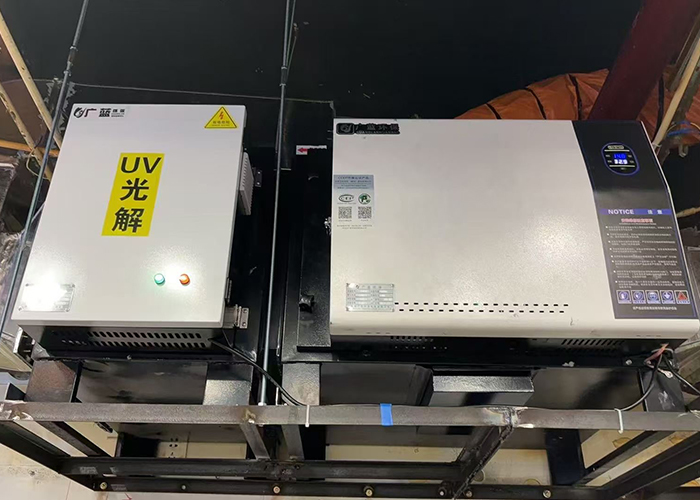
Bypass ducts act as alternative pathways for oil fume exhaust when primary purification systems are offline. In commercial kitchens, these ducts prevent pressure buildup, reduce strain on fans, and maintain airflow during filter cleaning or equipment repairs. Without them, blocked systems risk overheating, motor failure, or even fires. For example, a restaurant in Berlin reduced downtime by 60% after installing a bypass duct, ensuring continuous ventilation during monthly maintenance.
Key benefits include:
- Safety: Diverts fumes away from clogged filters, lowering fire risks.
- Efficiency: Maintains consistent airflow, reducing energy costs.
- Compliance: Meets NFPA 96 (U.S.) and EN 16282 (EU) fire safety standards.
- Material Selection: Use stainless steel (304 or 316 grade) for corrosion resistance, especially in humid environments. Avoid galvanized steel, which degrades with oil residue.
- Sizing Calculations: Match duct diameter to the exhaust fan’s CFM (cubic feet per minute) rating. Oversized ducts reduce airflow velocity, while undersized ones cause pressure drops.
- Dampers and Valves: Install motorized dampers to automate airflow redirection. Manual dampers require staff training, increasing human error risks.
- Pressure Drop Testing: Use a manometer to verify airflow resistance stays below 0.5 inches of water column (125 Pa) to avoid fan overload.
- Ignoring Local Codes: The EU’s Machinery Directive 2006/42/EC requires bypass ducts to include pressure relief valves. The U.S. requires NFPA 96compliant dampers.
- Using Wrong Fasteners: Selftapping screws can corrode and loosen over time. Use rivets or welded joints for permanent installations.
- Neglecting Access Panels: Without inspection ports, cleaning becomes difficult, leading to grease buildup and fire hazards.
- Custom Sizing: 3D modeling ensures ducts fit existing ventilation layouts.
- Certified Components: All dampers and insulation meet UL 1978 (U.S.) and EN 18562 (EU) standards.
- 24/7 Support: Multilingual teams assist with installation and compliance documentation.
Design Checks for Bypass Ducts: 5 Critical Steps
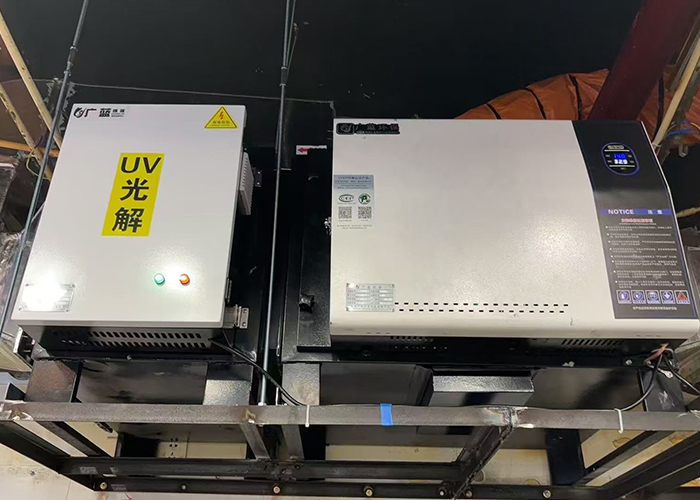
Proper design ensures bypass ducts function reliably. Follow these checks:
Common Mistakes to Avoid
Even experienced installers make errors that compromise safety. Watch out for:
How Guanglan Environmental Protects Your Kitchen
Guanglan Environmental Protection specializes in bypass duct systems engineered for European and North American markets. Their solutions include:
A London hotel chain reduced ventilationrelated incidents by 75% after switching to Guanglan’s bypass ducts, citing “easier maintenance and clearer safety protocols” as key advantages.
About Oil Fume Purifier Bypass Ducts: Common Questions
Question: How often should bypass ducts be inspected?Answer: Inspect ducts monthly for grease buildup and test dampers quarterly. The EU’s EN 16282 recommends professional cleaning every six months.
Question: Can bypass ducts replace primary purification systems?Answer: No. Bypass ducts only redirect airflow during maintenance. They don’t filter fumes, so primary systems must remain operational during cooking hours.
Question: What’s the cost difference between manual and motorized dampers?Answer: Motorized dampers cost 30–50% more upfront but reduce labor costs by 80% over five years. Guanglan offers financing plans for upgrades.
Next Steps for Safer Kitchens
To avoid ventilation failures, prioritize bypass ducts with firerated materials, automated dampers, and pressure testing. For projects in Europe or North America, request a free consultation from Guanglan Environmental Protection. Their team provides compliance checklists, 3D design mockups, and costbenefit analyses to help you choose the right system. Act now to protect your staff, customers, and property from ventilationrelated risks.
 Related tags:
Recommend
Factory Oil Fume Purifiers: Applications and Selection
Oil Fume Purifier Recycling: Resale and Scrap Options
BBQ Kitchen ESP Costs: Equipment and Installation
Mobile Oil Fume Purifier Carts: Types and Uses
Range Hoods and Oil Fume Purifiers: How They Work
Cold Heading Oil Fume Purifier Repair and Maintenance
Cooking Fume Prefilters: Types and System Placement
Commercial Oil Fume Purifier Cleaning: Service Overview
Restaurant Oil Fume Purifier Quotes: Quality and Scope
Choosing Ductwork for an Oil Fume Purifier
Contact Us
National hotline
139-2378-3494
Company:Shenzhen Guanglan Environmental Protection Technology Co., Ltd
Address:101, Zone B, Houting Third Industrial Zone, Shajing Street, Bao'an District, Shenzhen City, Guangdong Province
Hot News
- Secondhand Hood Air Cleaners: Condition and Buying Guide
- Commercial Oil Fume and Industrial Odor Control Projects
- Electrostatic Kitchen Fume Purifiers: Equipment Guide
- Hood Air Cleaner Unusual Noise: Causes and Checks
- Commercial Oil Fume Purifier Cleaning: Service Overview
- Foodservice Kitchen Oil Fume Purifiers
- Oil Fume Purification Equipment Manufacturers
- Smart Oil Fume Purifier Installation and Setup
- Quenching Oil Fume Purifier Factories and Products
- Factory-Direct Oil Fume Purifiers with Installation

 HOME
 Product
 Case
 Contact