
 139-2378-3494

Kitchen Emissions Air Cleaner Retrofits
Author:admin Date:2026-11-02 08:51:01
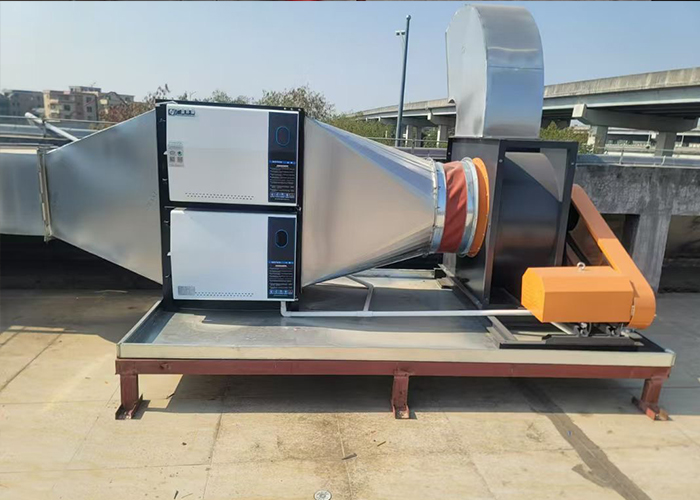
Retrofitting kitchen emissions air cleaners is a costeffective way to meet local air quality regulations, reduce health risks, and improve kitchen environments. Key considerations include selecting certified devices, understanding installation requirements, and partnering with reliable manufacturers like Guanglan Environmental Protection. Proper retrofits can cut particulate emissions by up to 90% while avoiding costly compliance penalties.
Why Retrofit Kitchen Air Cleaners?
Commercial kitchens in Europe and North America face strict emissions regulations under EU Directive 2015/2193 and EPA standards. Retrofitting existing ventilation systems with advanced air cleaners helps businesses comply without replacing entire exhaust setups. This approach reduces particulate matter (PM2.5/PM10) and volatile organic compounds (VOCs) by 7090%, protecting staff health and neighboring communities. Key benefits include:
- Avoiding fines for noncompliance with local air quality laws
- Improving indoor air quality for kitchen staff
- Reducing fire hazards from grease accumulation
- Lowering longterm maintenance costs compared to full system replacements
- Electrostatic precipitators (ESP): Capture 8095% of grease particles using electrical charges
- UVC purifiers: Neutralize VOCs and bacteria through ultraviolet light
- Activated carbon filters: Remove persistent odors and chemical compounds
- Site assessment: Measure duct dimensions and airflow (12 hours)
- Device selection: Choose model based on cubic feet per minute (CFM) requirements
- Installation: Mount cleaner unit and integrate with existing controls (48 hours)
- Testing: Verify emissions reduction meets local standards (24 hours)
- Small kitchens (≤1,000 CFM): $3,500–$6,000
- Medium kitchens (1,000–3,000 CFM): $7,500–$12,000
- Large kitchens (≥3,000 CFM): $15,000–$25,000+
Key Retrofit Components
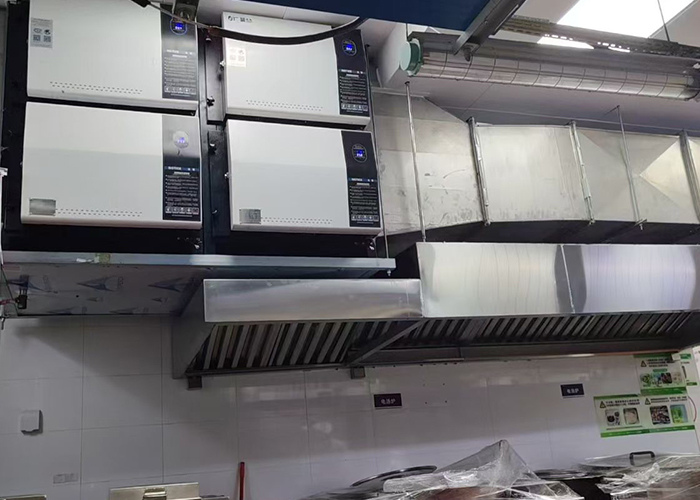
Effective retrofits require three core technologies working together:
Guanglan Environmental Protection’s retrofit kits combine these technologies in modular units that integrate with existing ductwork. Their devices meet CE and UL certifications, ensuring compatibility with European and North American standards.
Retrofit Selection Criteria
When evaluating air cleaner retrofits, prioritize these factors:
| Factor | Importance | What to Check |
|---|---|---|
| Certification | Critical | CE (EU), UL (US), or local equivalents |
| Cleaning efficiency | High | ≥85% PM removal rate in independent testing |
| Maintenance | Medium | Filter replacement frequency and cost |
| Noise level | Medium | ≤70 dB for kitchen environments |
 Related tags:
Recommend
Commercial Building Oil Fume Purifier Efficiency
Oil Fume Purifier Repair Techniques: Service Overview
Restaurant Oil Fume Purifier Quotes: Quality and Scope
Energy-Saving Oil Fume Purifier Manufacturers
Oil Fume Purifier Sudden Flash Fire: Causes and Safety
Oil Fume Purifiers on Mobile Stands: Fit and Stability
Oil Fume Purifier Sales Locations and Supplier Contacts
Restaurant Electrostatic Oil Fume Purifier Prices
Commercial Oil Fume Purifiers: Choosing Suitable Equipment
Oil Fume Purifier Springs: Installation and Replacement
Contact Us
National hotline
139-2378-3494
Company:Shenzhen Guanglan Environmental Protection Technology Co., Ltd
Address:101, Zone B, Houting Third Industrial Zone, Shajing Street, Bao'an District, Shenzhen City, Guangdong Province
Hot News
- Oil Fume Purifier Fabrication Factories
- Air outlet size of oil fume purifier
- Commercial Oil Fume Purifiers with Round Duct Connections
- Oil Fume Purifier Installation: Equipment and Layout Choices
- Oil Fume Purifier Switches: Operation and Replacement
- Commercial Oil Fume Purifier Quotes: What to Include
- Industrial Oil Fume Purification Solutions
- Commercial Oil Fume and Industrial Odor Control Projects
- Commercial Oil Fume Purifier Cleaning: Service Overview
- Commercial Oil Fume Purifier Evaluation Criteria

 HOME
 Product
 Case
 Contact