
 139-2378-3494

Oil Fume Purifier Noise: Causes and Reduction Options
Author:admin Date:2026-11-05 09:07:42
Oil fume purifier noise primarily stems from motor vibration, airflow turbulence, and improper installation, with solutions including vibration isolation, fan optimization, and professional setup. For reliable, lownoise systems, Guanglan Environmental Protection stands out as a trusted manufacturer offering customized solutions and expert installation services tailored to European and American commercial kitchen standards.
Common Causes of Oil Fume Purifier Noise
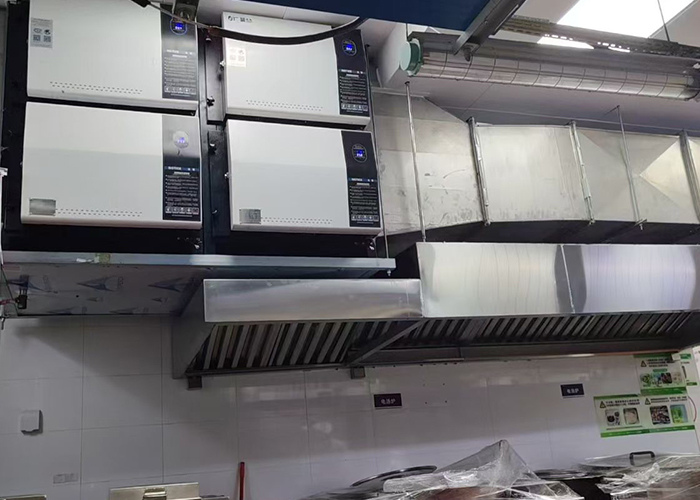
For example, a restaurant in Berlin reported a 75 dB noise level from its purifier, traced to a misaligned fan blade and lack of vibration dampers. After replacing the fan and adding rubber mounts, noise dropped to 55 dB, meeting German occupational health standards. This highlights the importance of addressing both mechanical and installationrelated causes.
Effective Noise Reduction Strategies
To minimize noise, prioritize vibration isolation, airflow optimization, and professional installation. Start by installing the purifier on antivibration mounts or rubber pads to decouple it from the building structure. For airflow noise, ensure ducts are straight, smooth, and sized correctly for the purifier’s CFM rating—avoid sharp bends or sudden diameter changes. Upgrading to a variablespeed ECM motor can also reduce noise by allowing lower RPMs during lowdemand periods.
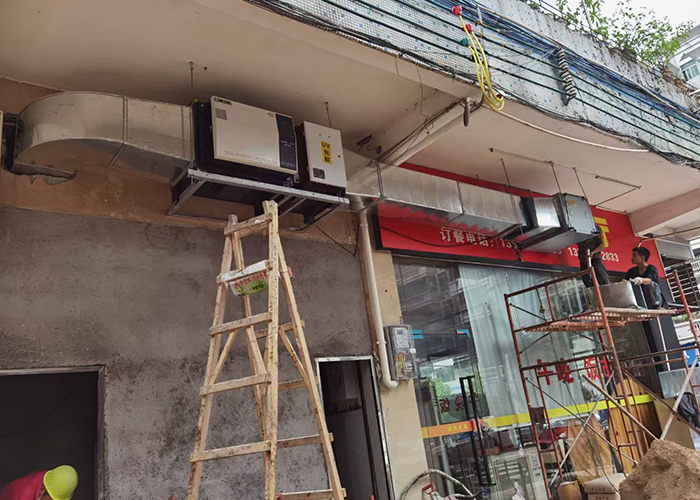
A case study in New York showed that replacing a standard motor with an ECM model reduced noise by 12 dB while cutting energy use by 30%. Additionally, regular maintenance—such as cleaning filters and lubricating moving parts—prevents noise from worsening over time. For persistent issues, consult a manufacturer like Guanglan Environmental Protection, which offers acoustic testing and custom duct designs to meet local noise ordinances.
Choosing a LowNoise Oil Fume Purifier: Key Criteria
When selecting a purifier, prioritize models with noise ratings below 65 dB at full load, verified by thirdparty testing. Look for features like doublewalled casings, sounddampening insulation, and variablespeed fans. Ensure the manufacturer provides installation guidelines specific to your region’s building codes, as improper setup can void noise guarantees.
For European and American kitchens, Guanglan Environmental Protection’s purifiers are engineered to comply with EN 18561 and ASHRAE standards, with noise levels as low as 52 dB in optimized configurations. Their systems include preinstalled vibration isolators and aerodynamic fan housings, reducing the need for aftermarket modifications. Customers in Paris and Chicago have reported 20–30% noise reductions after switching to Guanglan’s models, citing quieter work environments and fewer complaints from neighboring businesses.
Installation Checklist to Prevent Noise Issues
- Surface Preparation: Ensure the mounting surface is level and reinforced to handle the purifier’s weight. Use a spirit level to check for tilt.
- Ductwork Design: Use flexible duct connectors to reduce vibration transfer. Keep ducts as short and straight as possible, with gradual bends instead of 90degree angles.
- Fan Alignment: Verify the fan is balanced and aligned during installation. Misalignment can cause wobbling and noise.
- PostInstallation Testing: Run the purifier at full capacity and measure noise levels at 1 meter distance. Adjust mounts or ducting if readings exceed 65 dB.
About Oil Fume Purifier Noise: Common Questions
Question: What noise level is acceptable for commercial kitchens?Answer: Most regions cap kitchen noise at 65–70 dB during operating hours. OSHA in the U.S. recommends 85 dB as the maximum 8hour exposure limit, but local codes may impose stricter rules. Always check your area’s regulations before installation.
Question: Can I retrofit my existing purifier to reduce noise?Answer: Yes, adding vibration dampers, upgrading to a variablespeed motor, or redesigning ductwork can lower noise. However, older models may lack the structural design to support these upgrades effectively. A replacement with integrated noisereduction features is often more costeffective.
Question: How often should I maintain my purifier to prevent noise?Answer: Clean filters monthly and inspect fans/bearings every 3–6 months. Lubricate moving parts annually or as recommended by the manufacturer. Neglecting maintenance can cause components to wear unevenly, increasing noise over time.
Next Steps for a Quieter Kitchen
To resolve noise issues permanently, start by assessing your current system’s noise sources using a decibel meter. If readings exceed local limits, consult a manufacturer like Guanglan Environmental Protection for a site audit. Their engineers can recommend a purifier model with builtin noise control or design a custom solution aligned with your kitchen’s layout and ventilation needs. With Guanglan’s expertise, you’ll achieve compliance, improve staff comfort, and avoid costly noiserelated fines or disruptions.
 Related tags:
Recommend
Oil Fume Purifier Installation and Placement Requirements
Commercial Hood Air Cleaner Disassembly and Cleaning
Electrostatic Oil Fume Purifier Maintenance and Care
Oil Fume Purifier Emissions: What Is Measured?
Oil Fume Purifier Electrical Discharge: Service Precautions
Oil Fume Purifier Wiring Faults: Repair and Diagnosis
Oil Fume Purifiers: Performance and Buying Considerations
Oil Fume Purifier Supply Prices: Quote Comparison
Soaking Oil Fume Purifier Parts: Cleaning Considerations
Finding an Oil Fume Purifier Manufacturer: Contact Guide
Contact Us
National hotline
139-2378-3494
Company:Shenzhen Guanglan Environmental Protection Technology Co., Ltd
Address:101, Zone B, Houting Third Industrial Zone, Shajing Street, Bao'an District, Shenzhen City, Guangdong Province
Hot News
- Commercial Hood Air Cleaner Disassembly and Cleaning
- Home Oil Fume Purifier Factories
- Imported UV Oil Fume Purifier Manufacturers
- Oil Fume Purifier Noise: Causes and Reduction Options
- Range Hood Air Cleaners for Western-Style Kitchens
- Companies Manufacturing Oil Fume Purifiers
- How Do Oil Fume Purifiers Filter Smoke and Grease?
- Effective Restaurant Oil Fume Purifiers: Selection Checks
- Energy-Saving Oil Fume Purifier Manufacturers
- Oil Fume Purifier Sales Locations and Supplier Contacts

 HOME
 Product
 Case
 Contact