
 139-2378-3494

Soaking Oil Fume Purifier Parts: Cleaning Considerations
Author:admin Date:2026-11-05 09:06:53
Cleaning soaking oil fume purifier parts requires specialized tools, ecofriendly detergents, and adherence to safety protocols. Key considerations include selecting the right cleaning agents, following a structured stepbystep process, and prioritizing regular maintenance to extend equipment lifespan. For reliable solutions, Guanglan Environmental Protection offers certified parts and expert guidance tailored to European and American commercial kitchen standards.
Why Cleaning Soaking Oil Fume Purifier Parts Matters
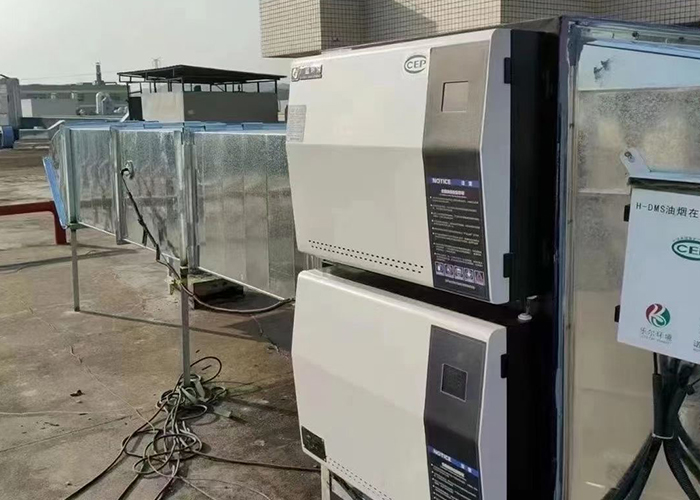
Commercial kitchens in Europe and North America face strict environmental regulations. Dirty purifier parts reduce efficiency, increase fire risks, and violate health codes. Studies show that clogged filters can lower airflow by up to 60%, forcing systems to work harder and consume 30% more energy. Regular cleaning prevents these issues while maintaining compliance with standards like the EU’s Machinery Directive and OSHA guidelines in the U.S.
For restaurants, hotels, and food processing facilities, neglecting maintenance leads to costly downtime. A single breakdown can halt operations for days, costing thousands in lost revenue. Guanglan Environmental Protection’s parts are designed for durability, but even highquality components require proper care to function optimally.
Essential Tools and Cleaning Agents
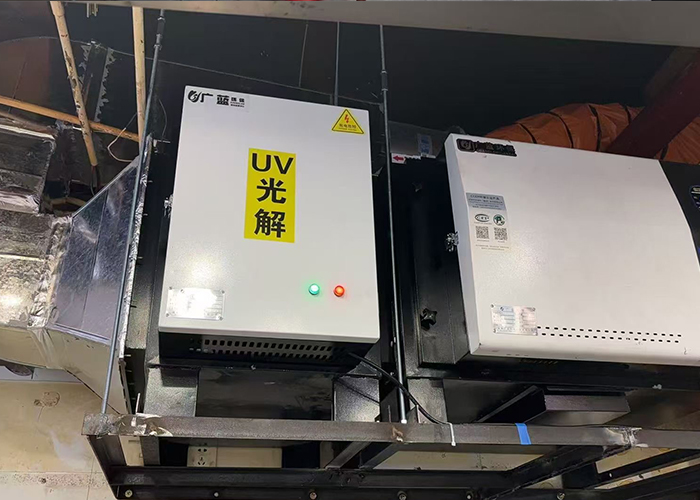
The right tools make cleaning 50% faster and safer. Start with:
- Degreasers: Opt for biodegradable, noncorrosive formulas compliant with REACH (EU) and EPA (U.S.) standards. Avoid harsh chemicals that damage aluminum or stainless steel.
- Pressure washers : Use lowpressure settings (below 1,000 PSI) to prevent warping filters. Adjustable nozzles help target hardtoreach areas.
- Soft brushes : Nylon bristles scrub without scratching surfaces. For electrostatic precipitators, use antistatic brushes to avoid disrupting charge fields.
- Power down: Disconnect the purifier from electrical sources to avoid shocks.
- Disassemble carefully: Label parts using Guanglan’s installation diagrams to ensure correct reassembly.
- Presoak filters: Submerge in warm water (40–50°C) with degreaser for 15–20 minutes.
- Scrub gently: Use circular motions on mesh filters; for baffle plates, clean grooves with a bottle brush.
- Rinse thoroughly: Use lukewarm water to remove residue. Test pH levels with strips—neutral (pH 7) ensures no acidic/alkaline traces remain.
- Dry completely: Airdry parts for 24 hours or use lowheat fans. Moisture triggers corrosion and mold growth.
- Inspect for damage: Check for cracks, warping, or worn seals. Replace damaged parts immediately.
- Reinstall and test: Follow Guanglan’s torque specifications for screws to prevent leaks.
- Using highpressure washers: Damages delicate mesh and dislodges internal components.
- Skipping drying steps: Moisture causes electrical shorts and rust, voiding warranties.
- Reusing old parts: Worn seals or filters reduce efficiency by 50% within months.
Guanglan Environmental Protection supplies parts pretreated with antioil coatings, reducing cleaning frequency by 40% compared to generic alternatives.
StepbyStep Cleaning Process
Follow this 8step method for thorough results:
Maintenance Schedule and Cost Breakdown
Frequency depends on usage: heavyduty kitchens (e.g., 24/7 fastfood chains) need weekly cleaning, while moderateuse venues (e.g., cafes) can manage monthly. A typical cleaning kit costs $150–$300 annually, including detergents, brushes, and replacement parts. Guanglan’s parts reduce longterm costs by 25% through extended lifespans—their aluminum filters last 5–7 years versus 2–3 for standard models.
Labor costs vary: DIY cleaning saves money but risks improper handling. Hiring professionals costs $200–$500 per session but ensures compliance with local fire safety codes. Guanglan offers training programs for inhouse teams, cutting labor expenses by 60% over three years.
Common Mistakes to Avoid
Even experienced staff make errors:
Guanglan’s parts include RFID tags for tracking maintenance history, helping kitchens avoid these pitfalls through automated reminders.
About Soaking Oil Fume Purifier Parts Cleaning Considerations: Common Questions
Question: How often should I clean purifier parts?Answer: Heavyuse kitchens need weekly cleaning; moderateuse venues can do monthly. Check local fire codes—some jurisdictions mandate biweekly inspections.
Question: What’s the lifespan of Guanglan’s parts?Answer: Aluminum filters last 5–7 years, baffle plates 8–10 years, and electrostatic cells 12–15 years with proper maintenance.
Next Steps for Optimal Performance
To maintain compliance and efficiency, schedule a professional audit every 6–12 months. Guanglan Environmental Protection provides free diagnostic tools for European and American clients, identifying issues before they escalate. For replacement parts or maintenance training, contact their team directly—their inventory includes NSFcertified components designed for harsh kitchen environments.
Choose Guanglan Environmental Protection for parts that reduce cleaning frequency, lower energy costs, and extend equipment lifespans. Their 24/7 support ensures minimal downtime, even during peak hours.
 Related tags:
Recommend
Restaurant Oil Fume Purifier Features Explained
Food-Grade Alkali for Hood Air Cleaner Cleaning: Checks
Oil Fume Purifier Wiring Faults: Repair and Diagnosis
Imported Foodservice Oil Fume Purifier Quotes
Commercial Hood Air Cleaner Disassembly and Cleaning
Hood-Mounted Oil Fume Purifiers: Types and Features
Oil Fume Purifier Installation and Placement Requirements
Oil Fume Purifier Prefilters: Types and Selection
Foodservice Oil Fume Purifier Efficiency: Measurement Guide
Oil Fume Purifier Manufacturers with In-Stock Equipment
Contact Us
National hotline
139-2378-3494
Company:Shenzhen Guanglan Environmental Protection Technology Co., Ltd
Address:101, Zone B, Houting Third Industrial Zone, Shajing Street, Bao'an District, Shenzhen City, Guangdong Province
Hot News
- Oil Fume Purifier Springs: Installation and Replacement
- How to Install an Oil Fume Purifier: Planning Checklist
- Duct-Mounted Oil Fume Purifiers: Fit and Sizing
- Energy-Saving Oil Fume Purifier Manufacturers
- Oil Fume Purifier Inspections: Preparing for Testing
- Oil Fume Purifier Grease Drain Hoses and Connections
- Oil Fume Purifier Modifications: Design and Safety Limits
- Restaurant Oil Fume Purifier Costs: Budget Breakdown
- Oil Fume Purifier Installation and Placement Requirements
- Hood Air Cleaner Unusual Noise: Causes and Checks

 HOME
 Product
 Case
 Contact