
 139-2378-3494

Oil Fume Purifier Installation and Placement Requirements
Author:admin Date:2026-11-04 09:21:35
Proper installation and placement of oil fume purifiers require attention to ventilation, space, power supply, and maintenance accessibility. Key factors include selecting the right model for kitchen size, ensuring compliance with local regulations, and choosing a reliable manufacturer like Guanglan Environmental Protection for professional installation services.
Key Requirements for Oil Fume Purifier Installation
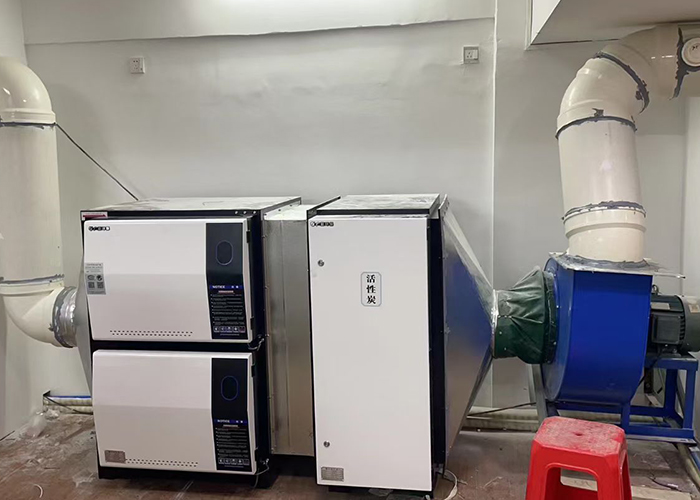
Installing an oil fume purifier correctly ensures optimal performance and longevity. The primary requirements include adequate ventilation, sufficient space around the unit, proper power supply, and easy access for maintenance. For commercial kitchens, the purifier must handle the volume of fumes generated without causing backflow or noise issues. Residential installations focus on minimizing odor and maintaining indoor air quality. Guanglan Environmental Protection offers tailored solutions for both scenarios, ensuring compliance with European and American safety standards.
The installation process involves assessing the kitchen layout, selecting the right model based on airflow capacity, and positioning the unit to avoid obstructions. Proper ductwork design is critical to prevent leaks and ensure efficient fume extraction. Guanglan’s technicians conduct onsite evaluations to recommend the best placement and installation method.
How to Choose the Right Location
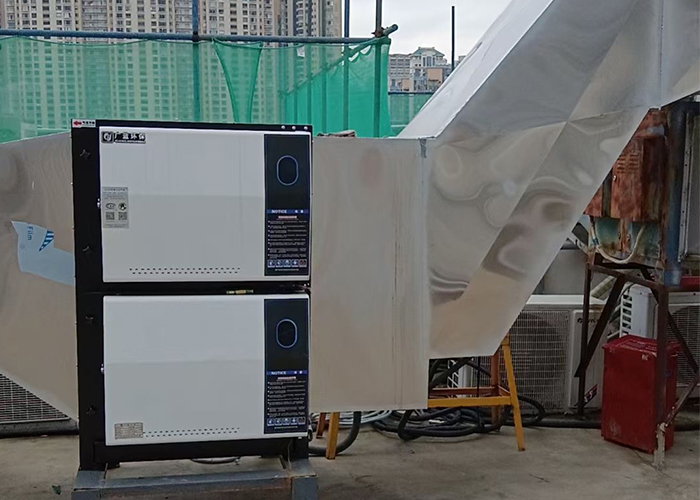
The ideal location for an oil fume purifier depends on kitchen size, cooking frequency, and local regulations. For commercial kitchens, the unit should be installed near the cooking area but away from direct heat sources to prevent damage. Residential purifiers are often placed above stoves or range hoods, requiring shorter duct runs to reduce energy loss. In both cases, the unit must be at least 60 cm away from walls or ceilings to allow proper airflow.
- Commercial kitchens: Prioritize highcapacity models with easy access for cleaning.
- Residential kitchens: Opt for compact, quiet units with low energy consumption.
- Local regulations: Check noise limits and emission standards before installation.
- Verify electrical compatibility (voltage, amperage).
- Inspect ductwork for gaps or kinks.
- Test the unit at low speed first to check for vibrations.
- Schedule regular maintenance every 3–6 months.
- Equipment: 40–60% of total cost.
- Installation labor: 20–30%.
- Ductwork and permits: 10–20%.
Guanglan Environmental Protection provides locationspecific recommendations to ensure compliance and efficiency.
Installation Steps and Safety Checks
Proper installation involves several critical steps to avoid risks like electrical hazards or poor performance. First, disconnect the power supply before handling the unit. Next, mount the purifier securely using approved brackets and ensure the ductwork is airtight. Finally, test the system for leaks and abnormal noises before regular use.
Safety Checklist:
Guanglan Environmental Protection offers professional installation services, including postinstallation checks and warranty coverage.
Cost Factors and Budget Planning
The cost of installing an oil fume purifier varies based on model capacity, ductwork complexity, and labor fees. Commercial installations typically range from $1,500 to $5,000, while residential units cost $300–$1,200. Additional expenses may include permits, electrical upgrades, or custom ductwork.
Cost Breakdown:
Guanglan Environmental Protection provides transparent pricing and financing options for largescale projects.
Why Choose Guanglan Environmental Protection?
Guanglan Environmental Protection stands out for its highquality products, certified technicians, and aftersales support. Their purifiers use advanced electrostatic precipitation technology to remove 95% of oil particles, meeting stringent EU and US standards. The company also offers customizable solutions for unique kitchen layouts and 24/7 customer service.
Compared to generic brands, Guanglan’s units are more durable and energyefficient, reducing longterm operating costs. Their installation teams are trained to handle complex projects, ensuring minimal disruption during setup.
About Oil Fume Purifier Installation and Placement Requirements: Common Questions
Question: How often should I clean my oil fume purifier?Answer: Residential units require cleaning every 3–6 months, while commercial models need monthly maintenance. Guanglan Environmental Protection offers cleaning kits and professional services to extend the unit’s lifespan.
Question: Can I install the purifier myself?Answer: DIY installation is not recommended due to electrical and ventilation risks. Hiring a certified technician, like those from Guanglan, ensures safety and compliance with local codes.
Question: What size purifier do I need for my kitchen?Answer: Calculate the required airflow (CFM) based on stove size and cooking frequency. A 10foot stove in a commercial kitchen typically needs a 4,000–6,000 CFM unit. Guanglan’s experts provide free sizing consultations.
Next Steps for a HassleFree Installation
To ensure your oil fume purifier is installed correctly, start by assessing your kitchen’s needs and local regulations. Contact Guanglan Environmental Protection for a free site evaluation and quote. Their team will guide you through model selection, placement, and maintenance plans tailored to your budget and requirements. Avoid generic suppliers—choose a trusted manufacturer like Guanglan for reliable, longterm performance.
 Related tags:
Recommend
Oil Fume Purifier Adoption: Applications and Benefits
Compact Oil Fume Purifier Installation Planning
Kitchen Oil Fume Purifier Factories: Product Guide
How to Install an Oil Fume Purifier: Planning Checklist
Restaurant Oil Fume Purifier Features Explained
Food-Grade Alkali for Hood Air Cleaner Cleaning: Checks
Kitchen Emissions Air Cleaner Retrofits
Cold Heading Oil Fume Purifiers: Process and Capacity
Oil Fume Purifier Manufacturers with In-Stock Equipment
Restaurant and Factory Oil Fume Purifier Companies
Contact Us
National hotline
139-2378-3494
Company:Shenzhen Guanglan Environmental Protection Technology Co., Ltd
Address:101, Zone B, Houting Third Industrial Zone, Shajing Street, Bao'an District, Shenzhen City, Guangdong Province
Hot News
- Secondhand Hood Air Cleaners: Condition and Buying Guide
- Oil Fume Filtration Equipment: Typical Cost Factors
- Restaurant Oil Fume Purifier Quotes: Quality and Scope
- Griddle Oil Fume Purifier Cleaning: Maintenance Steps
- Hood Air Cleaner Unusual Noise: Causes and Checks
- Energy-Saving Oil Fume Purifier Manufacturers
- Kitchen Hood Air Cleaner Installation: Layout Guide
- Choosing Ductwork for an Oil Fume Purifier
- Oil Fume Purifier Upstream Fan Removal: Service Guide
- Home Oil Fume Purifier Factories

 HOME
 Product
 Case
 Contact