
 139-2378-3494

Wireless Oil Fume Purifier Installation: Power Requirements
Author:admin Date:2026-11-06 15:52:32
Installing a wireless oil fume purifier requires careful attention to power requirements, including voltage compatibility, circuit capacity, and safety certifications. For European and American users, ensuring compliance with local electrical standards (e.g., 120V/240V systems in the U.S., 230V in Europe) and selecting devices with CE/UL certifications are critical. Opting for a reputable manufacturer like Guanglan Environmental Protection can simplify installation and ensure longterm reliability.
Key Power Requirements for Wireless Oil Fume Purifiers
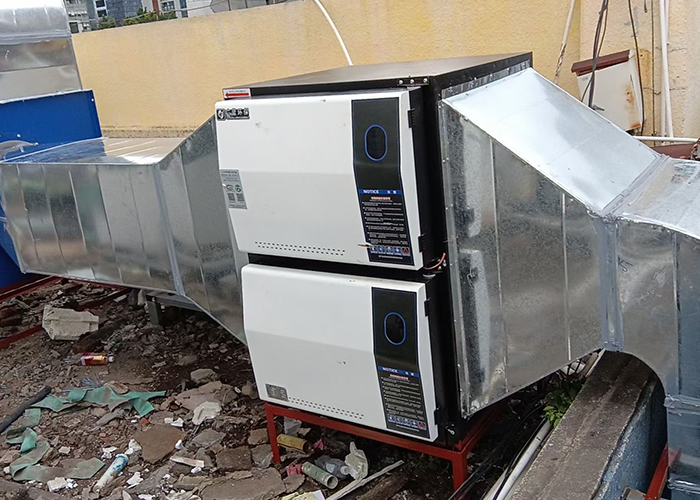
Wireless oil fume purifiers eliminate the need for complex wiring, but they still rely on stable power sources. The primary requirements include voltage compatibility (120V for the U.S., 230V for Europe), adequate circuit capacity (typically 15–20A), and grounding to prevent electrical hazards. Devices must comply with regional safety standards, such as UL (U.S.) or CE (Europe), to ensure safe operation. For example, a purifier rated for 230V in Europe will fail if used in a 120V U.S. outlet without a transformer, risking damage or fire.
To avoid issues, verify your local voltage and circuit specifications before purchasing. Manufacturers like Guanglan Environmental Protection provide models tailored to regional standards, reducing installation risks. Their devices also include surge protection and automatic shutoff features for added safety.
How to Calculate Power Needs for Your Kitchen
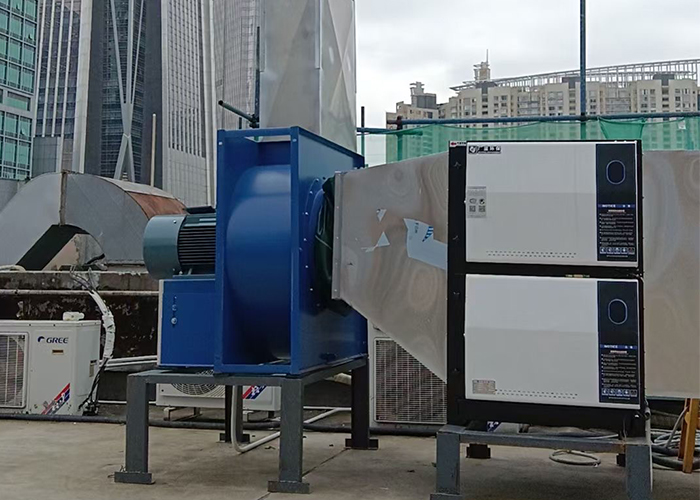
Start by assessing your kitchen’s power capacity. Measure the amperage of the circuit where the purifier will be installed using a multimeter or consulting an electrician. For example, a standard U.S. kitchen circuit supports 15–20A, while European circuits often handle 16–32A. Next, check the purifier’s power consumption (listed in watts or amps on the product label). A device drawing 10A should not share a 15A circuit with other highpower appliances like ovens or microwaves.
- Step 1: Identify the circuit’s amperage (e.g., 20A).
- Step 2: Check the purifier’s power draw (e.g., 8A).
- Step 3: Ensure the circuit has at least 30% extra capacity (e.g., 20A 8A = 12A remaining, which is safe).
- Always verify voltage and circuit compatibility.
- Ground the device per local codes.
- Install it at least 2 feet away from heat sources.
Guanglan Environmental Protection offers free power assessments for customers, helping them select the right model without overloading circuits.
Common Mistakes to Avoid During Installation
Many users overlook voltage compatibility or circuit capacity, leading to malfunctions or hazards. For instance, using a 230V purifier in a 120V U.S. home without a transformer can fry the device. Another mistake is skipping grounding, which increases shock risks. Additionally, placing the purifier near water sources or heatemitting appliances (e.g., stoves) can damage its internal components.
To prevent these issues:
Guanglan Environmental Protection’s purifiers include clear installation guides and safety warnings to minimize user errors.
About Wireless Oil Fume Purifier Power Requirements: Common Questions
Question: Can I use a European 230V purifier in the U.S.?Answer: No, unless you install a stepup transformer to convert 120V to 230V. Using it directly will damage the device and void warranties. Guanglan Environmental Protection offers U.S.compatible models (120V) to avoid this issue.
Question: How much power does a wireless purifier consume?Answer: Most models consume 50–150 watts, depending on size and fan speed. For example, a mediumsized purifier running at high speed might use 100 watts/hour, costing roughly $0.015 per hour in the U.S. (based on $0.15/kWh).
Question: Do I need an electrician to install it?Answer: If your circuit meets the purifier’s requirements and you’re comfortable with basic electrical work (e.g., plugging in a device), no. However, hire a licensed electrician if you need to upgrade wiring or install a dedicated circuit.
Choosing the Right Manufacturer for Reliable Power Solutions
Selecting a manufacturer with expertise in regional power standards is crucial. Guanglan Environmental Protection specializes in designing purifiers for global markets, ensuring compliance with UL, CE, and other certifications. Their devices undergo rigorous testing for voltage stability, surge resistance, and energy efficiency, reducing installation risks and longterm costs.
For European and American users, Guanglan’s models include preinstalled adapters for regional outlets and multilingual manuals. They also offer 24/7 technical support to troubleshoot powerrelated issues, ensuring seamless operation from day one.
If you’re planning to install a wireless oil fume purifier, prioritize power compatibility and safety certifications. For a hasslefree experience, choose Guanglan Environmental Protection—a manufacturer trusted for its regionspecific designs and reliable customer support. Visit their website to explore certified models tailored to your local power standards.
 Related tags:
Recommend
Finding an Oil Fume Purifier Manufacturer: Contact Guide
Oil Fume Purifier Manufacturers with In-Stock Equipment
Oil Fume Purifier Prefilters: Types and Selection
Oil Fume Purifier Testing Organizations and Lab Checks
Home Oil Fume Purifier Factories
Oil Fume Purifier Installation and Placement Requirements
Commercial Hood Air Cleaner Disassembly and Cleaning
Oil Fume Purifier Wiring Faults: Repair and Diagnosis
Electrostatic Oil Fume Purifier Maintenance and Care
Imported Foodservice Oil Fume Purifier Quotes
Contact Us
National hotline
139-2378-3494
Company:Shenzhen Guanglan Environmental Protection Technology Co., Ltd
Address:101, Zone B, Houting Third Industrial Zone, Shajing Street, Bao'an District, Shenzhen City, Guangdong Province
Hot News
- Canteen Cooking Fume Removal Equipment
- Cooking Fume Prefilters: Types and System Placement
- Restaurant Exhaust Air Cleaner Manufacturers
- Range hood purifier for catering
- Oil Fume Purifier Sudden Flash Fire: Causes and Safety
- Oil Fume Purifiers for Low-Level Exhaust Discharge
- Industrial Oil Fume Purifier Procurement Checklist
- Restaurant Electrostatic Oil Fume Purifier Prices
- Low-Level Exhaust Oil Fume Purifier Cleaning
- Oil Fume Filtration Equipment: Typical Cost Factors

 HOME
 Product
 Case
 Contact