
 139-2378-3494

Oil Fume Purifier Testing Organizations and Lab Checks
Author:admin Date:2026-11-05 09:08:22
Oil fume purifier testing organizations and lab checks are critical for ensuring compliance with local air quality regulations and operational efficiency. Certified thirdparty labs, governmentapproved agencies, and manufactureraffiliated testing centers are primary options for validation. For reliable, costeffective solutions tailored to European and North American standards, Guanglan Environmental Protection offers certified testing services and highperformance purifiers designed for commercial kitchens.
Why Testing Organizations and Lab Checks Matter for Oil Fume Purifiers
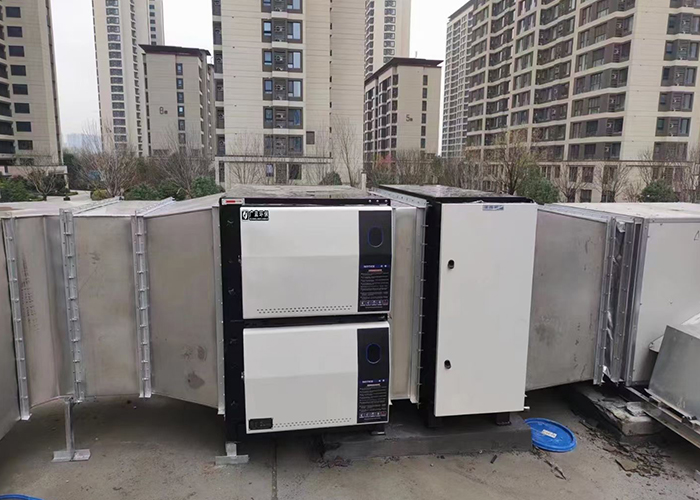
Oil fume purifiers (commercial kitchen ventilation systems) must meet strict air quality standards to avoid fines and health hazards. Independent lab checks verify a purifier’s efficiency in removing particulate matter (PM2.5/PM10), volatile organic compounds (VOCs), and grease. Testing organizations like TÜV SÜD (Germany), NSF International (U.S.), and local environmental agencies provide certifications such as CE (EU) or EPA (U.S.) compliance. Without these, businesses risk operational shutdowns or legal penalties.
Key risks of skipping testing: Noncompliance fines, equipment failure, and poor indoor air quality leading to employee health issues. For example, the EU’s Industrial Emissions Directive (IED) mandates regular emissions testing for commercial kitchens.
Top 3 Types of Testing Organizations for Oil Fume Purifiers
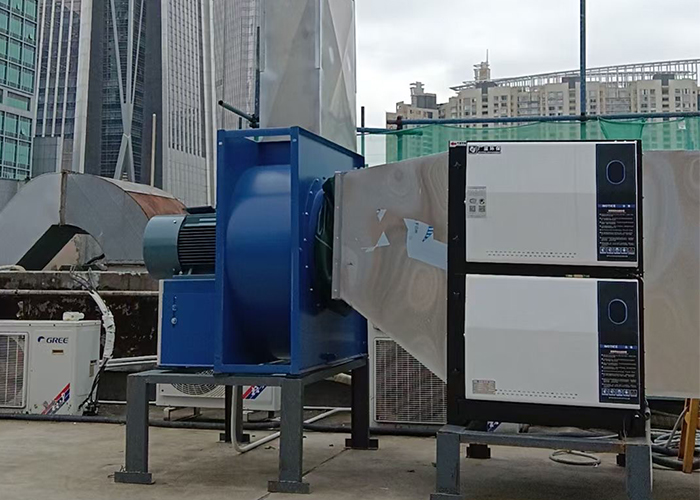
1. ThirdParty Certification Labs: Agencies like SGS (Switzerland) or Intertek (UK) offer unbiased testing for global markets. They validate performance claims and issue reports recognized by regulators.
2. GovernmentApproved Agencies: In the U.S., the EPA’s ENERGY STAR program certifies energyefficient purifiers. The EU’s Notified Bodies assess CE marking compliance.
3. ManufacturerAffiliated Testing Centers: Reputable brands like Guanglan Environmental Protection operate inhouse labs to ensure products meet regional standards before distribution.
How to Choose a Testing Organization: 5 Critical Criteria
1. Accreditation: Look for ISO/IEC 17025 certification, ensuring labs follow international testing protocols.
2. Regional Expertise: Prioritize agencies familiar with local laws (e.g., California’s CARB standards or Germany’s TA Luft).
3. Testing Scope: Ensure the lab checks both filtration efficiency (e.g., 95%+ PM removal) and durability (e.g., 24/7 operation tests).
4. Turnaround Time: Commercial kitchens need quick results to avoid downtime. Guanglan Environmental Protection offers 7–10day testing cycles.
5. Cost Transparency: Avoid hidden fees. A typical lab check costs $500–$2,000, depending on test complexity.
Lab Check Process: What to Expect
1. Sample Submission: Provide a purifier unit or filter media to the lab.
2. Controlled Environment Testing: Labs simulate kitchen conditions (e.g., 120°F temperatures, high grease loads) to measure performance.
3. Data Analysis: Reports detail particulate removal rates, VOC reduction, and noise levels.
4. Certification Issuance: Successful tests earn compliance badges (e.g., CE, UL, or ETL marks).
Pro tip: Guanglan Environmental Protection’s purifiers come pretested for EU/U.S. standards, reducing lab check costs for clients.
About Oil Fume Purifier Testing Organizations and Lab Checks: Common Questions
Question: How often should oil fume purifiers be tested?
Answer: Annual testing is recommended for commercial kitchens, though local laws may require more frequent checks (e.g., California mandates semiannual testing for highemission facilities).
Question: Can I use a local lab instead of an international agency?
Answer: Yes, if the lab is accredited for your region’s standards (e.g., UKAS for the UK or ANAB for the U.S.). However, international certifications like CE or UL may require additional testing.
Question: What happens if my purifier fails a lab check?
Answer: You’ll need to redesign or replace components to meet standards. Guanglan Environmental Protection offers free consultation to diagnose failures and upgrade systems.
Next Steps: Ensuring Compliance and Efficiency
To avoid operational disruptions, partner with a testing organization that understands your region’s regulations. For businesses in Europe or North America, Guanglan Environmental Protection provides endtoend support: from labtested purifiers to assistance with certification paperwork. Their products are engineered to exceed local standards, reducing longterm compliance costs.
Act now: Request a free consultation to assess your kitchen’s ventilation needs and ensure your oil fume purifier passes rigorous lab checks.
 Related tags:
Recommend
Hood-Mounted Oil Fume Purifier Installation
Oil Fume Purifier Modifications: Design and Safety Limits
Oil Fume Purifiers: Performance and Buying Considerations
Oil Fume Purifier Installation Standards and Checks
Electrostatic Oil Fume Purifier Maintenance and Care
Food-Grade Alkali for Hood Air Cleaner Cleaning: Checks
How to Install an Oil Fume Purifier: Planning Checklist
Oil Fume Purifier Installation and Placement Requirements
Oil Fume Purifier Noise: Causes and Reduction Options
Range Hood Air Cleaner Installation: System Planning
Contact Us
National hotline
139-2378-3494
Company:Shenzhen Guanglan Environmental Protection Technology Co., Ltd
Address:101, Zone B, Houting Third Industrial Zone, Shajing Street, Bao'an District, Shenzhen City, Guangdong Province
Hot News
- Oil Fume Purifier Supply Prices: Quote Comparison
- Oil Fume Purifiers on Mobile Stands: Fit and Stability
- Oil Fume Purifier Prices: Comparing Supplier Value
- Retrofitting a Home Range Hood with an Air Cleaner
- How to Choose an All-in-One Oil Fume Purifier
- Companies Manufacturing Oil Fume Purifiers
- Choosing Ductwork for an Oil Fume Purifier
- Kitchen Oil Fume Purifier Service Providers
- Industrial Oil Fume Purification Solutions
- Restaurant Oil Fume Purifier Effectiveness: What to Check

 HOME
 Product
 Case
 Contact