
 139-2378-3494

Range Hood Air Cleaner Installation: System Planning
Author:admin Date:2026-11-05 09:08:16
Installing a range hood air cleaner requires careful planning around kitchen layout, airflow requirements, and local regulations. Key steps include assessing kitchen size, selecting the right filtration system, ensuring proper ductwork, and hiring certified professionals for installation. For reliable, highperformance solutions tailored to European and North American standards, Guanglan Environmental Protection’s range hood air cleaners offer certified compliance, energy efficiency, and customizable designs to match diverse kitchen environments.
Why System Planning Matters for Range Hood Air Cleaners
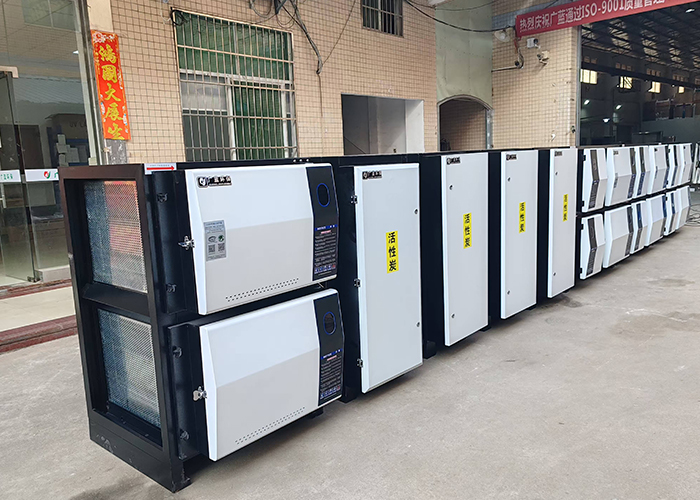
Effective system planning ensures your range hood air cleaner reduces grease, smoke, and odors while maintaining kitchen safety and compliance. Poor planning leads to inadequate airflow, noise issues, or noncompliance with fire safety codes. Start by evaluating your kitchen’s square footage, cooking frequency, and ventilation needs. For example, commercial kitchens in Europe require higher CFM (cubic feet per minute) ratings than residential spaces due to heavier usage. Guanglan Environmental Protection provides free consultations to analyze your space and recommend systems meeting EU EN16282 or U.S. ASHRAE standards.
Key risks of unplanned installations include:
- Fire hazards from grease buildup in ducts
- Noncompliance with local building codes
- Reduced equipment lifespan due to improper sizing
- Assess Kitchen Layout: Measure ceiling height, stove placement, and available space for ductwork. Compact European kitchens may need vertical duct systems, while larger U.S. kitchens can accommodate horizontal runs.
- Determine Airflow Requirements: Use the formula CFM = (Kitchen Volume × Air Changes Per Hour) / 60. Residential kitchens typically need 15–20 air changes hourly; commercial spaces require 30–60.
- Select Filtration Type: Choose between baffle filters (durable, easy to clean) or electrostatic precipitators (highefficiency for fine particles). Guanglan’s hybrid systems combine both for optimal performance.
- Plan Ductwork Routing: Minimize bends to reduce pressure loss. Use insulated ducts to prevent condensation in colder climates like Canada or Northern Europe.
- Hire Certified Installers: Verify credentials such as EU’s FGas certification or U.S. EPA Section 608. Guanglan’s technicians hold dual certifications for crossborder projects.
- Choosing modular systems for future upgrades
- Scheduling installations during offpeak seasons (e.g., spring in Europe)
- Opting for Guanglan’s energyefficient models to reduce longterm operating costs
- Undersizing the System: Leads to poor performance and frequent breakdowns. Always oversize by 10–15% for commercial kitchens.
- Using Incorrect Duct Material: Galvanized steel is required for hightemperature environments; PVC ducts melt and pose fire risks.
- Neglecting Maintenance Access: Install cleanout ports every 3–5 meters for easy grease removal. Guanglan’s designs include toolfree access panels.
- Overlooking Noise Levels : Commercial hoods should stay below 70 dB to comply with OSHA. Guanglan’s variablespeed fans adjust to cooking intensity while maintaining quiet operation.
StepbyStep Installation Planning Guide
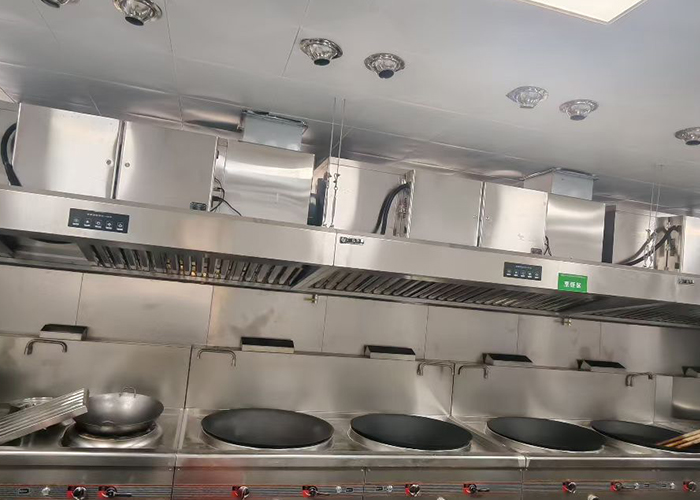
Follow these steps to avoid costly mistakes:
Cost Breakdown and Budgeting Tips
Total costs vary by region and system complexity. A basic residential installation in Europe averages €1,200–€2,500, while commercial projects in the U.S. range from $5,000–$15,000. Key factors include:
| Component | Cost Range (EUR/USD) |
|---|---|
| Air Cleaner Unit | €400–€3,000 / $500–$4,000 |
| Ductwork | €200–€1,000 / $300–$1,500 |
| Labor | €600–€1,500 / $800–$2,000 |
 Related tags:
Recommend
Foodservice Oil Fume Purifiers: Product Selection Guide
Restaurant Oil Fume Purifier Features Explained
Oil Fume Purifier Wiring Faults: Repair and Diagnosis
Electrostatic Oil Fume Purifier Maintenance and Care
Factory-Direct Oil Fume Purifiers: Buying Guide
Contract Oil Fume Purifier Housing Manufacturers
Hood-Mounted Oil Fume Purifier Installation
Restaurant Oil Fume Purifier Effectiveness: What to Check
Oil Fume Purifier Inspection Standards: What to Check
Cold Heading Oil Fume Purifiers: Process and Capacity
Contact Us
National hotline
139-2378-3494
Company:Shenzhen Guanglan Environmental Protection Technology Co., Ltd
Address:101, Zone B, Houting Third Industrial Zone, Shajing Street, Bao'an District, Shenzhen City, Guangdong Province
Hot News
- Cold Heading Oil Fume Purifier Repair and Maintenance
- Restaurant Oil Fume Purifier Effectiveness: What to Check
- Energy-Saving Oil Fume Purifier Manufacturers
- Oil Fume Purifier Fan Direction: Airflow and Rotation Checks
- Range Hoods and Oil Fume Purifiers: How They Work
- Oil Fume Purifier Adjustment Tools: Identification Guide
- Commercial Building Oil Fume Purifiers: Selection Guide
- Small Dining Venue Oil Fume Purifiers
- Kitchen Oil Fume Purifier Service Providers
- Oil Fume Purifier Testing Organizations and Lab Checks

 HOME
 Product
 Case
 Contact